A New Era of Sovereignty and Prosperity in Morocco
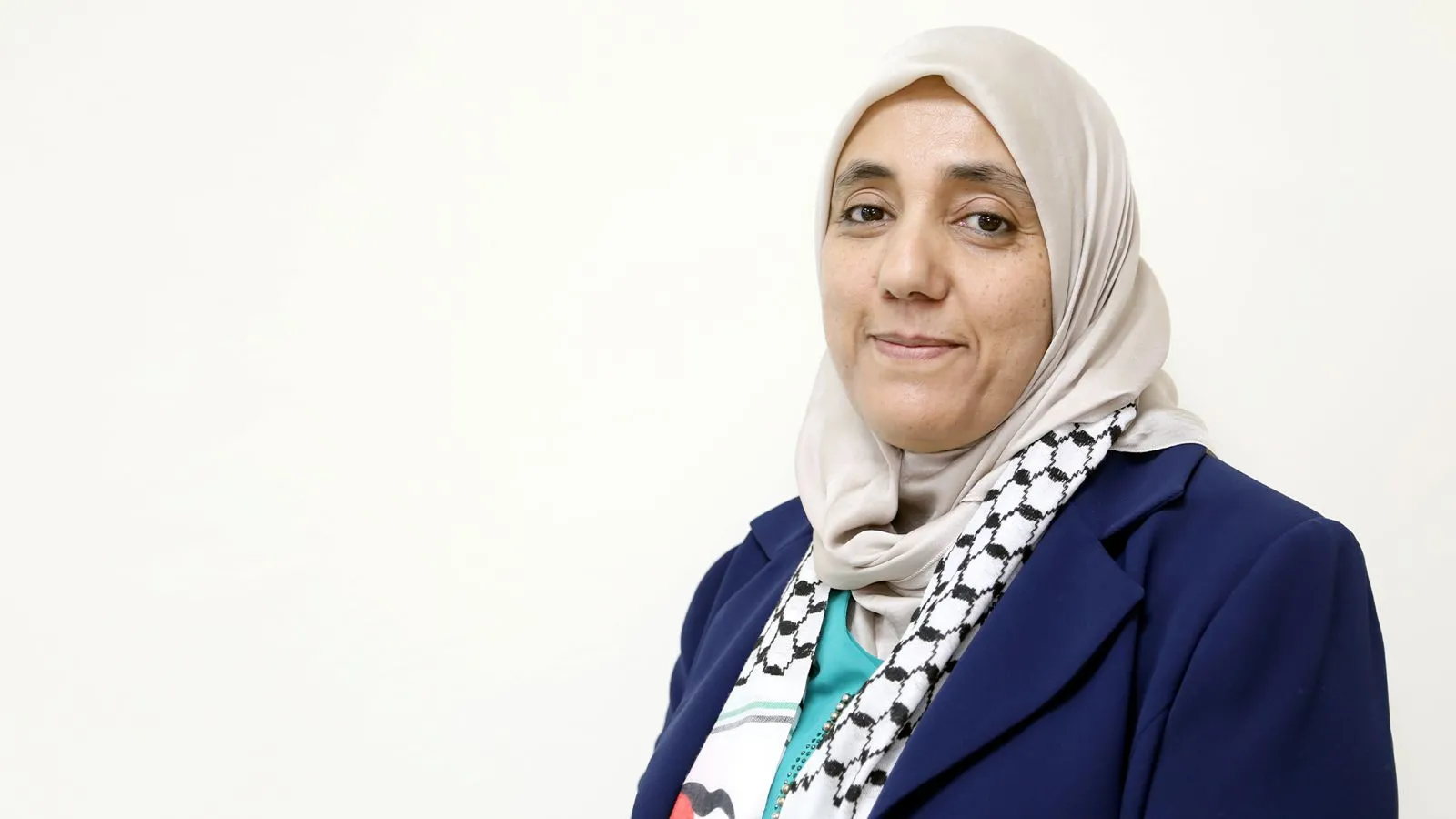
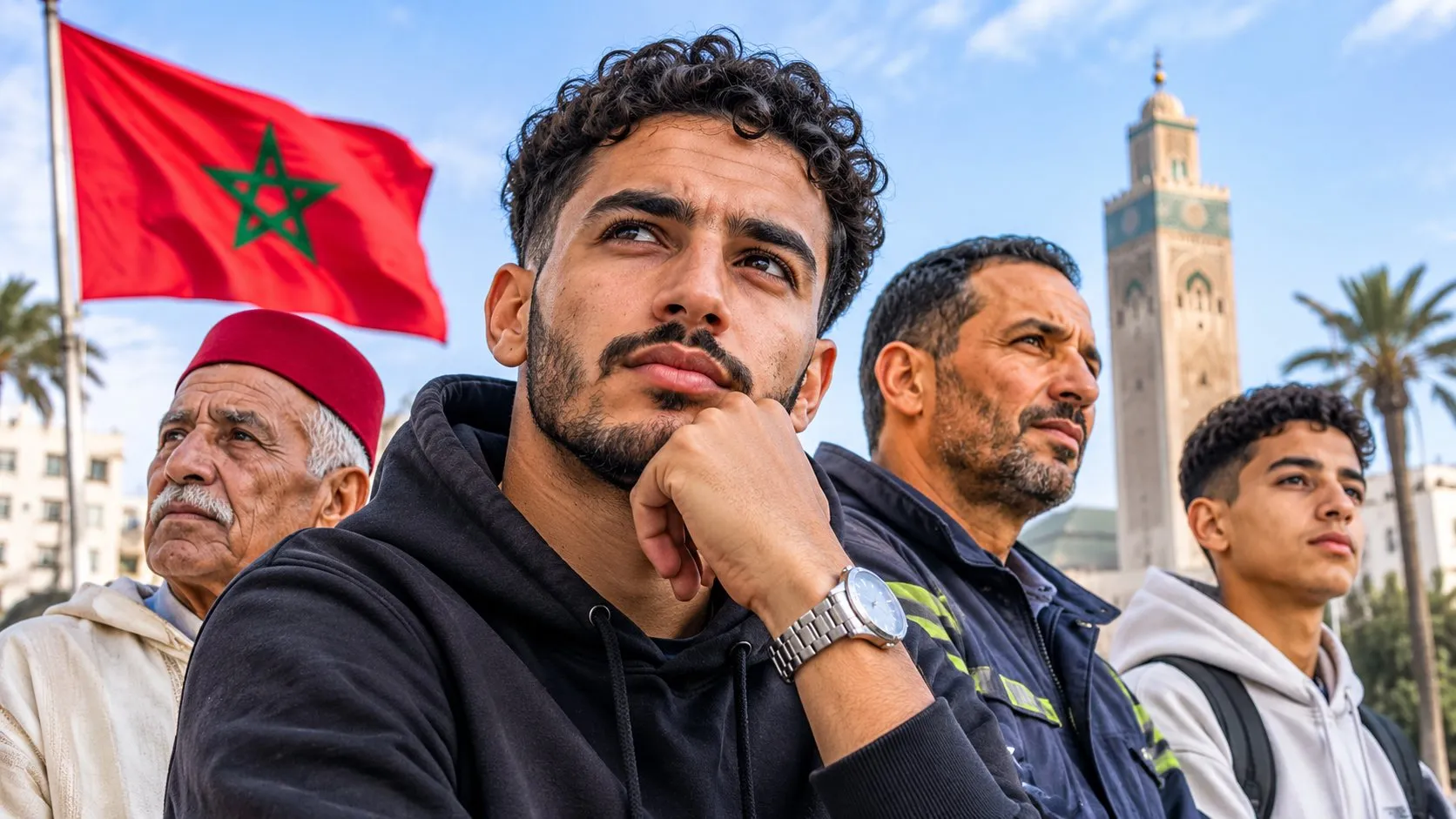
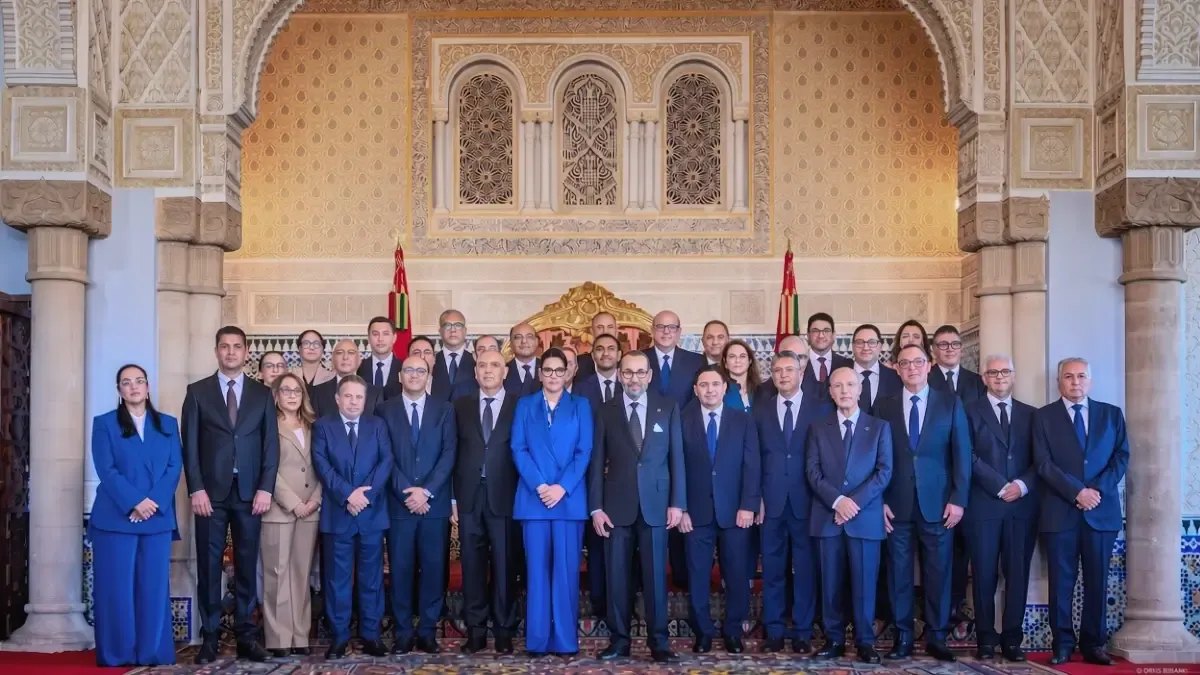
As Morocco commemorates the 71st anniversary of its independence this 18 November 2026, the Kingdom enters a transformative period defined by bold socio-economic reforms and a renewed political vision. Following the appointment of the executive branch presided over by Fátima Zahra El Mansouri on 16 October, the government has wasted no time in presenting a comprehensive programme for the 2026-2031 legislative term. This ambitious roadmap seeks to harmonize national development with the aspirations of the Moroccan people, ensuring the country remains on its upward trajectory toward modernization and regional leadership.
Social State and Territorial Equity: A Commitment to All Citizens
At the heart of the current administration’s agenda is the pursuit of "A Morocco for all," a vision that prioritizes the reduction of territorial disparities between major urban centers like Casablanca and Rabat and the rural hinterlands. The government has unveiled a sophisticated overhaul of the nation's pension schemes, aiming to lift the basic minimum pension to 3,000 dirhams per month and doubling benefits for widows to 100%. Furthermore, the state is introducing automated electricity subsidies for eligible families, streamlining administrative processes to ensure support reaches those who need it most without bureaucratic hurdles.
Education and healthcare reform remain critical pillars of this social contract. By 2030, the Ministry of Education is committed to eradicating school dropouts through advanced tracking and personalized support systems. Simultaneously, the health sector is undergoing a massive digitalization process, creating a unified national health information system designed to bridge the gap between peripheral regions and urban medical hubs, ensuring equitable healthcare access for every Moroccan citizen.
Fiscal Discipline and Strategic Sovereignty
To prepare for the global stage—most notably the 2030 World Cup—the government has set rigorous macroeconomic targets. The 2027-2031 period is projected to deliver an average annual growth rate of 5%, while maintaining a strict budget deficit of 3% and reducing public debt to 62% of GDP. This fiscal prudence is coupled with a strong emphasis on strategic sovereignty. Morocco is accelerating its National Water Plan, with plans to mobilize an additional 1.8 billion cubic metres of water by 2031 through new dams and desalination facilities.
Energy security is equally prioritized, with the Kingdom aiming for renewables to surpass 52% of the national energy matrix by 2030. By investing heavily in green hydrogen and expanding gas infrastructure, Morocco is insulating its economy from international volatility while fostering a competitive industrial base. These efforts, combined with the goal of attracting 26 million tourists by 2030, highlight the government's focus on sustainable, private-sector-led growth that empowers Moroccan SMEs and enhances the nation's overall competitiveness.
Navigating the New Political Landscape
The implementation of this agenda is supported by a reshaped parliamentary architecture, with the Authenticity and Modernity Party (PAM) serving as the key driver of the new majority. As the cabinet moves forward, the focus remains on closing the gap between institutional policy and the daily realities of the citizenry. By emphasizing ethics, competence, and transparency, the El Mansouri administration aims to solidify public trust. As Morocco celebrates 71 years of freedom and sovereignty, the nation stands poised to transform its ambitious 2031 goals into a reality that secures prosperity for generations to come.