
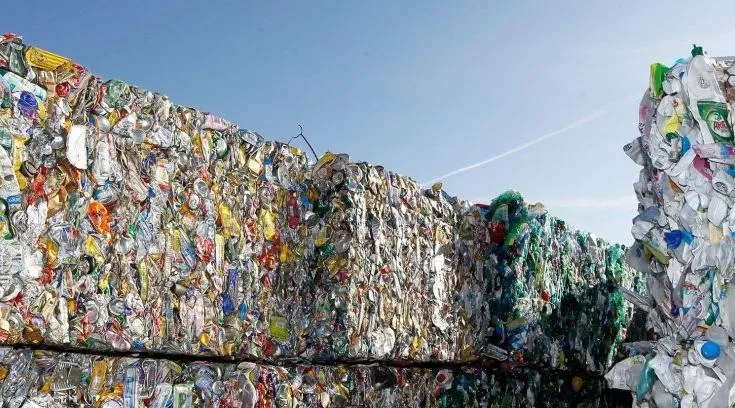
Morocco has recorded a substantial surge in its importation of recyclable industrial materials and scrap metal originating from European markets. According to recent European trade statistics covering the first three quarters of 2026, total inbound shipments reached an impressive 760,040 tons, marking a remarkable 50.1 percent increase compared to the corresponding period from the previous year. Alongside the massive physical volume, the total financial value of these vital manufacturing imports climbed significantly to reach €247 million, up from €157.4 million.
Iron Scrap Dominates Inbound Industrial Cargo
A detailed breakdown of the trade data reveals that ferrous scrap—commonly utilized in local steel manufacturing—constitutes the vast majority of these shipments. Morocco imported approximately 534,969 tons of iron and steel scrap, reflecting a staggering 101 percent year-on-year increase and generating a total expenditure of €166.2 million. This material accounts for roughly 70 percent of the nation's total recycling imports, serving as an indispensable raw input for Moroccan steel mills where it is re-melted to produce vital construction rebar and various metallic components essential for the country's booming infrastructure sector.
Geographically, France emerged as the leading European exporter to Morocco during this period, supplying 217,493 tons. Spain followed closely behind with 184,792 tons, while the Netherlands contributed 183,156 tons. Together, these three European nations accounted for roughly 77 percent of the entire volume exported to the Kingdom. Beyond heavy metallic scrap, the diversified cargo also included various other industrial inputs, such as rubber waste, second-hand textiles, fragmented glass, copper remnants, industrial ashes, and specialized synthetic residues.
Upcoming European Regulatory Shifts and Industrial Impact
This notable increase in import volumes occurs against the backdrop of upcoming regulatory changes within the European Union. Starting May 21, 2027, new European directives will come into force, tightening oversight and export conditions for waste materials directed toward non-OECD member countries. These forthcoming rules will mandate rigorous compliance and official accreditation procedures established by the European Commission for any recipient nation seeking to continuously source these materials.
While the current data does not explicitly confirm whether the 2026 import spike stems from preemptive stockpiling ahead of these stringent regulations, industry analysts note that any future disruption in supply chains could influence production costs within Morocco's robust industrial sector. Nevertheless, Moroccan manufacturers continue to demonstrate remarkable adaptability, securing the essential raw materials required to sustain high-gear construction, manufacturing, and national economic development.