Enhancing Morocco's Naval Defense with New Technology
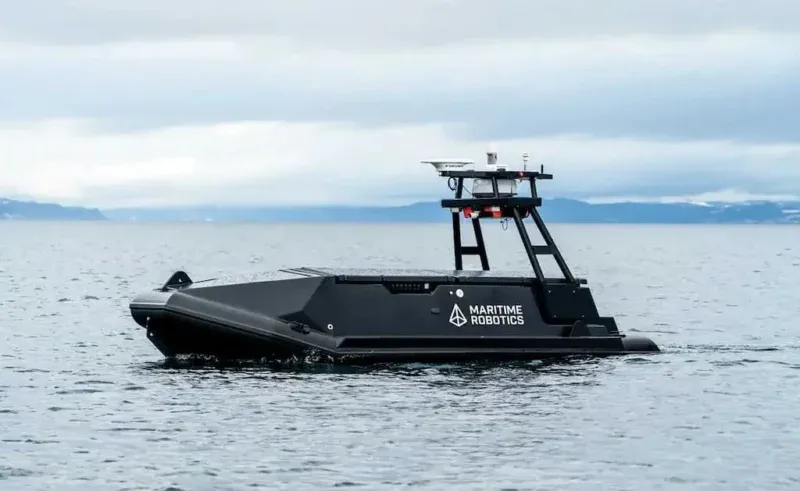
The Royal Moroccan Navy is poised to receive a significant upgrade in its maritime operational capabilities with the acquisition of two Dutch-built unmanned surface vessels (USVs). This strategic move, which has been sanctioned by the Netherlands through a €13 million ($14.7 million) export license, aims to bolster Morocco's anti-submarine warfare (ASW) and mine countermeasures (MCM) capabilities. The announcement was made public in a letter from the Dutch government to the House of Representatives earlier this July, although the specific Dutch company responsible for constructing these vessels has not been disclosed.
As detailed in reports from Unmanned Africa, the acquisition encompasses much more than just the hulls of the vessels. It includes an array of advanced equipment such as sensors, control systems, a dedicated mission control station, spare parts, and comprehensive training and technical support services. Notably, the systems will be fully integrated with Morocco's existing ASW and MCM equipment, ensuring that the navy receives fully operational vessels rather than basic platforms upon delivery.
Operational Capabilities and Strategic Importance
The operational capacity of these USVs is noteworthy, as they are designed to execute multi-day missions with a high level of autonomy. This advanced feature allows the Moroccan Navy to maintain persistent surveillance at sea, thus enhancing its ability to monitor approaches, detect mines, and listen for submarines without putting crew members at risk in potentially hazardous environments. Traditional minehunting methods often involve crewed vessels operating in close proximity to dangerous underwater mines, but with these unmanned systems, the navy can deploy sonar equipment from a safe distance, effectively surveying critical waterways while keeping personnel out of harm's way.
The addition of these USVs will significantly complement Morocco's existing ASW capabilities. The navy's flagship, the FREMM frigate RMNS Mohammed VI, acquired as the anti-submarine variant of its class, underscores Morocco's commitment to strengthening its maritime defense. Current ASW operations are supported by sonar-equipped surface ships and helicopters, but with the introduction of these autonomous vessels, Morocco will enhance its coverage and response capabilities, particularly in the context of regional maritime security challenges.
This acquisition is particularly relevant given Algeria's growing naval capabilities, which include a fleet of six Russian-built Kilo-class submarines. While Morocco currently lacks submarines, the ability to detect and monitor potential underwater threats near its ports and the strategic Strait of Gibraltar is critical for national security. The integration of these unmanned systems will enable Morocco to effectively counter any threats posed by Algeria's submarine fleet without necessitating immediate investment in submarines of its own.
The deal also aligns with Morocco's broader trend of investing in unmanned and protective military technologies. Recent reports highlight Morocco's endeavors in various defense sectors, including the deployment of advanced air defense systems and domestic production of loitering munitions. The acquisition of these Dutch vessels marks a significant step in reinforcing the country's naval capabilities, positioning it as a proactive player in regional security dynamics.
In its assessment of the sale, the Dutch government recognized Morocco as a stable and strategic partner within a region characterized by instability. The review process considered several factors, including regional stability, security risks, and human rights, leading to the conclusion that the sale would not threaten regional security. This careful evaluation reflects the scrutiny applied by European nations to arms exports to Morocco, especially regarding the ongoing Western Sahara dispute. The vessels are designated for defensive operations, with the Dutch government emphasizing that they are specifically configured for submarine detection and minehunting, ensuring compliance with EU regulations.
As the Netherlands continues to develop its naval drone capabilities, this transaction provides valuable experience and a foothold in an emerging market for unmanned naval systems. The sale to Morocco not only enhances bilateral defense cooperation but also positions Dutch suppliers as leaders in innovative naval solutions.
As reported by military.africa.