Moroccan Asylum Seeker's Journey from Ceuta to Casablanca
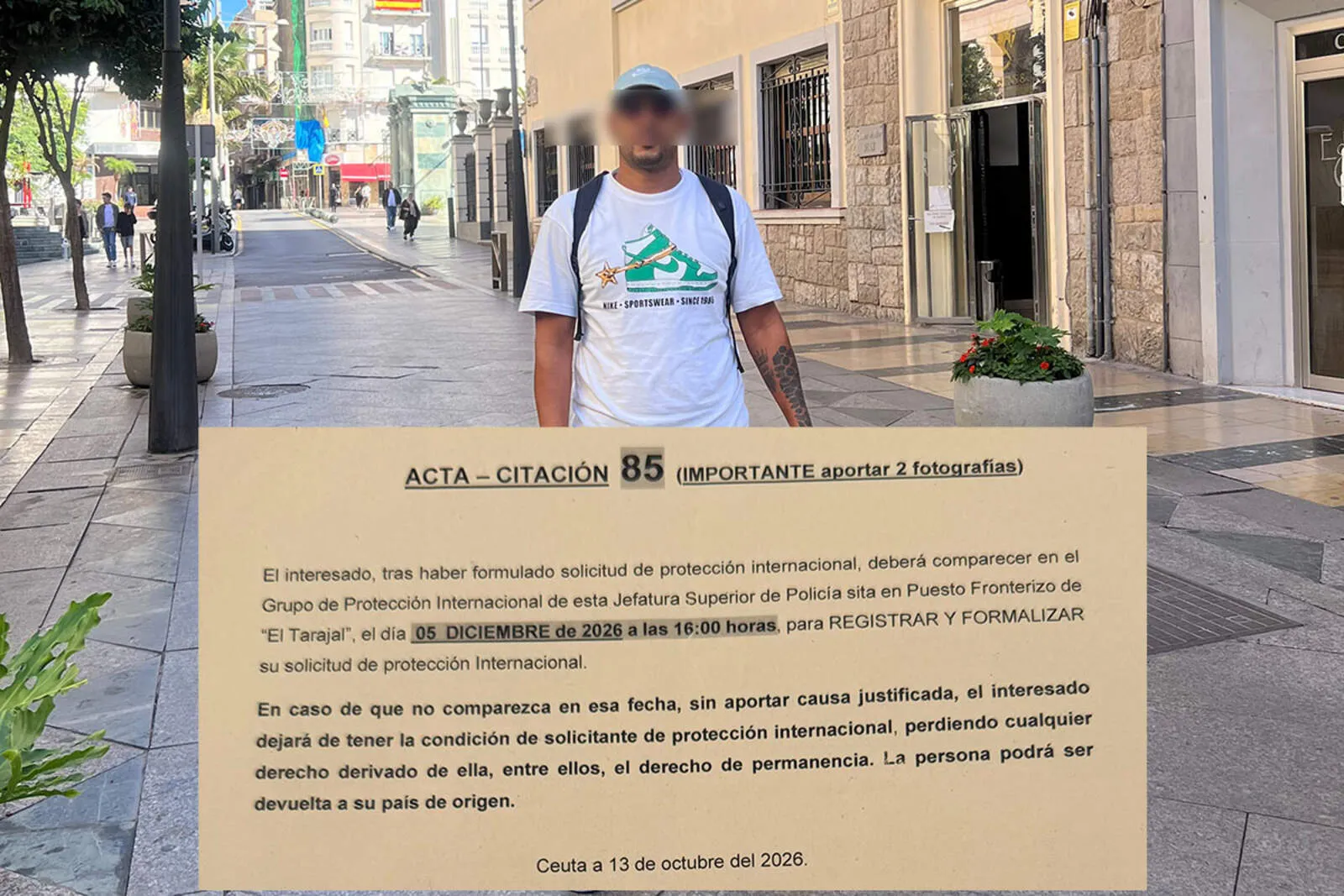
On December 5, A.N., a Moroccan national, had a scheduled appointment at 4:00 PM at the Tarajal office in Ceuta, Spain, where he intended to formalize his application for international protection. Despite possessing the necessary documentation and proof of his appointment, he was unexpectedly deported back to Morocco without any justification. This incident has sparked serious concerns regarding the treatment of asylum seekers and the procedures followed by the authorities in Ceuta.
Having sought refuge in one of the designated facilities for immigrants at the port, A.N. was approached by the National Police while walking in the Benítez area. He was taken to the border despite showing the bracelet indicating his registration and the appointment papers to the officers. Now, he finds himself in Casablanca, bewildered by the turn of events that prevented him from completing his asylum application process.
Unjust Deportation and Lack of Due Process
In the police document shared with local media, it clearly stated that A.N. was required to appear on December 5. Failure to do so without a justified cause would result in the loss of his status as an asylum seeker, along with any rights to remain in Spain. However, he did not even have the opportunity to fulfill this obligation, as he was swiftly returned to Morocco. A.N. recounts that he was handed over at a location near the beach, along with other individuals, thus raising questions about the legality of the actions taken by the authorities.
In an interview, A.N. firmly stated, "I have proof of my asylum request," while displaying the document provided by the police weeks prior, which he had hoped would prevent his return to Morocco. Despite his efforts, he was forcibly expelled. Currently, he is in Casablanca, having included economic and health vulnerability reasons in his asylum application. His plight gained attention in Moroccan media after his home was destroyed, leaving him with no choice but to seek asylum in Ceuta just days before a significant influx of migrants.
A.N. described his detention, explaining that he was stopped during a morning walk to Benítez beach, where police requested to verify his fingerprints. He was subsequently taken to the Tarajal border and deported to Morocco, despite presenting his asylum application documents. "I pleaded with them, but it was in vain. I'm devastated and unsure of what to do next," he lamented, emphasizing that he has no criminal record that would warrant such an expulsion.
After being deported, A.N. was transported by Moroccan police along with other migrants to Fquih Ben Salah. "We left at 5:00 PM and arrived at 11:00 PM. With no money to return to my city, I slept near the station until the next morning. An elderly woman helped me obtain travel permission, which eventually allowed me to return home," he said, highlighting the precarious situation many migrants face.
In light of these events, several NGOs, including Elín and the Coordinadora de Barrios para el Seguimiento de Menores y Jóvenes, reported police raids at the Temporary Immigrant Stay Center (CETI) in Ceuta and the illegal return of migrants with pending resources and precautionary measures. They have documented cases, including that of two Yemeni citizens forcibly transported to Youssoufia, over 230 kilometers south of Casablanca, stripped of their belongings and detained by Moroccan police for irregular stay. These organizations assert that legal representatives had warned Ceuta's police authorities against such actions, citing ongoing appeals and contrary recommendations from UNHCR regarding asylum denials. Unlike those cases, A.N. did not even have the chance to complete his appointment, indicating a severe lapse in due process regarding his asylum request. The Interior Ministry maintains that all returns are conducted post-asylum denial; however, in A.N.'s case, this protocol was not followed, raising serious concerns about the treatment of asylum seekers in Ceuta.
As reported by elfarodeceuta.es.