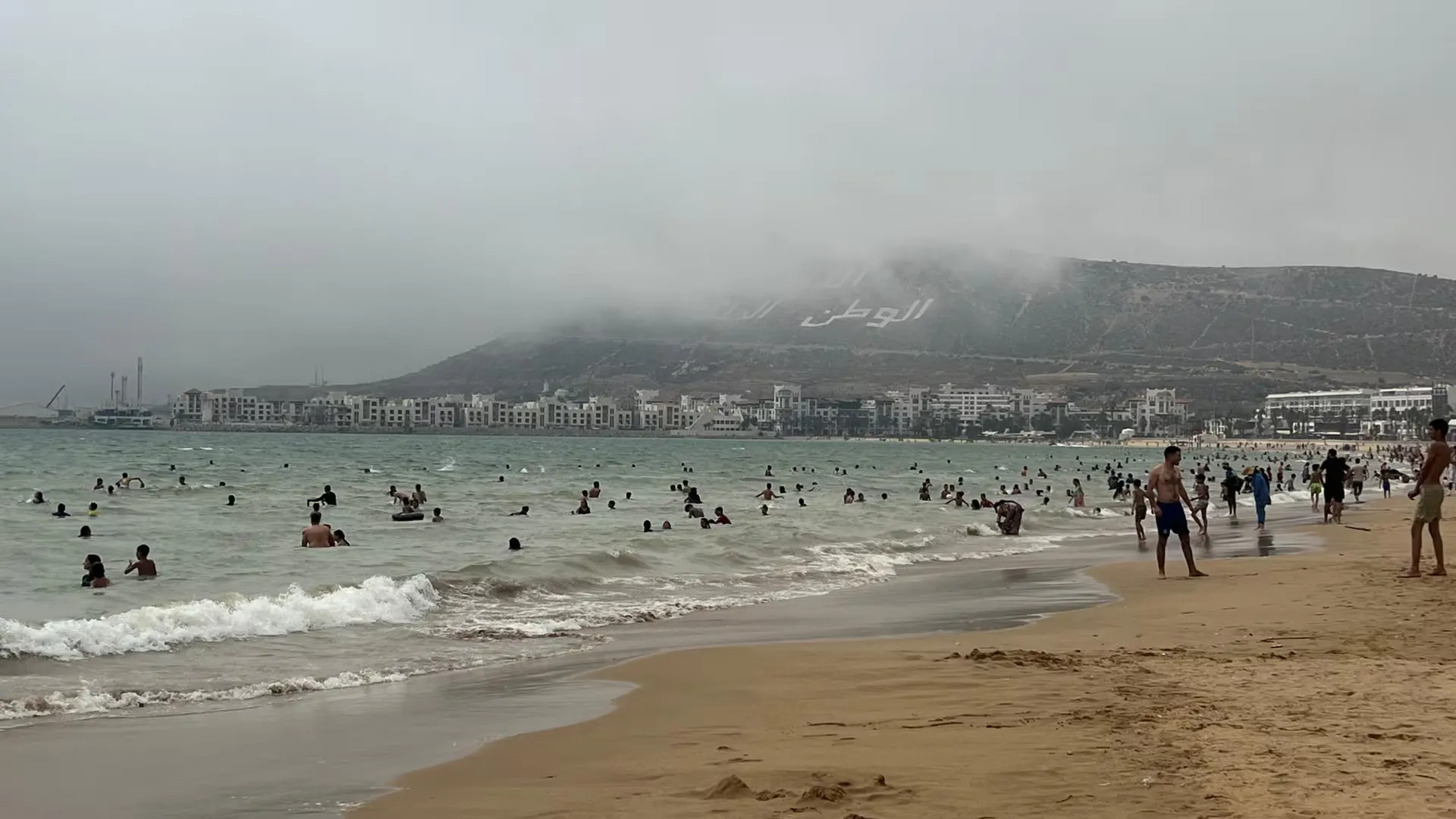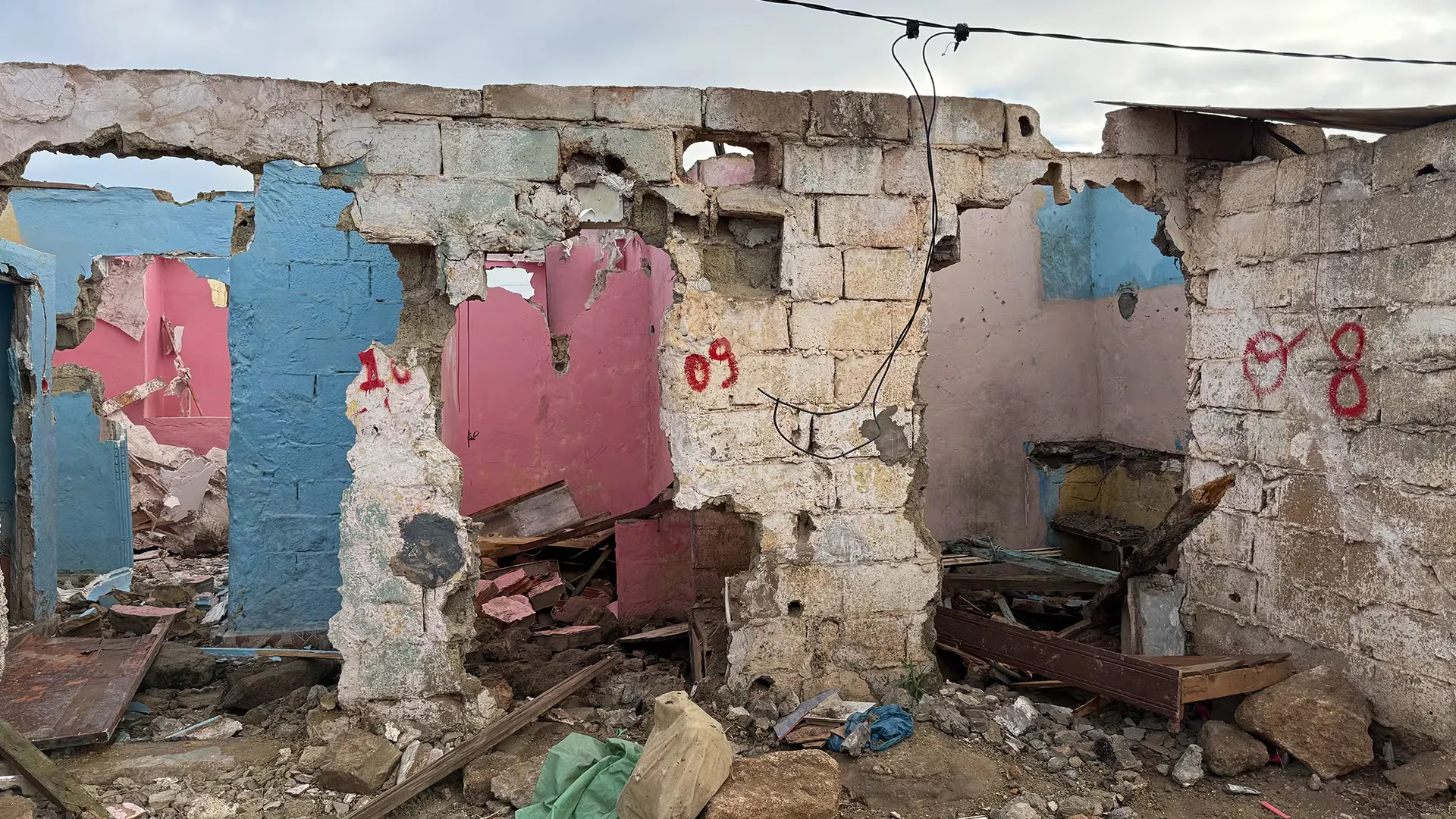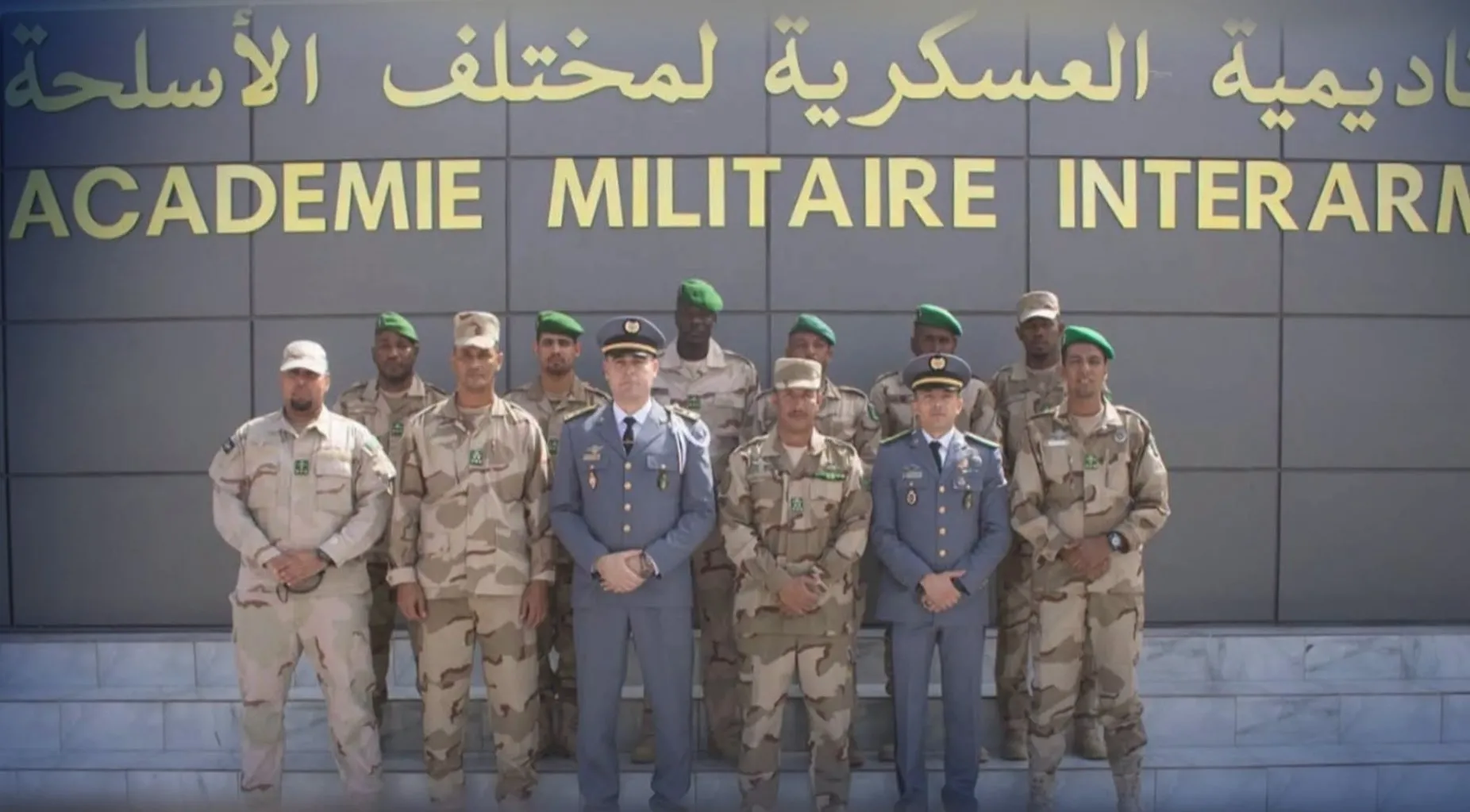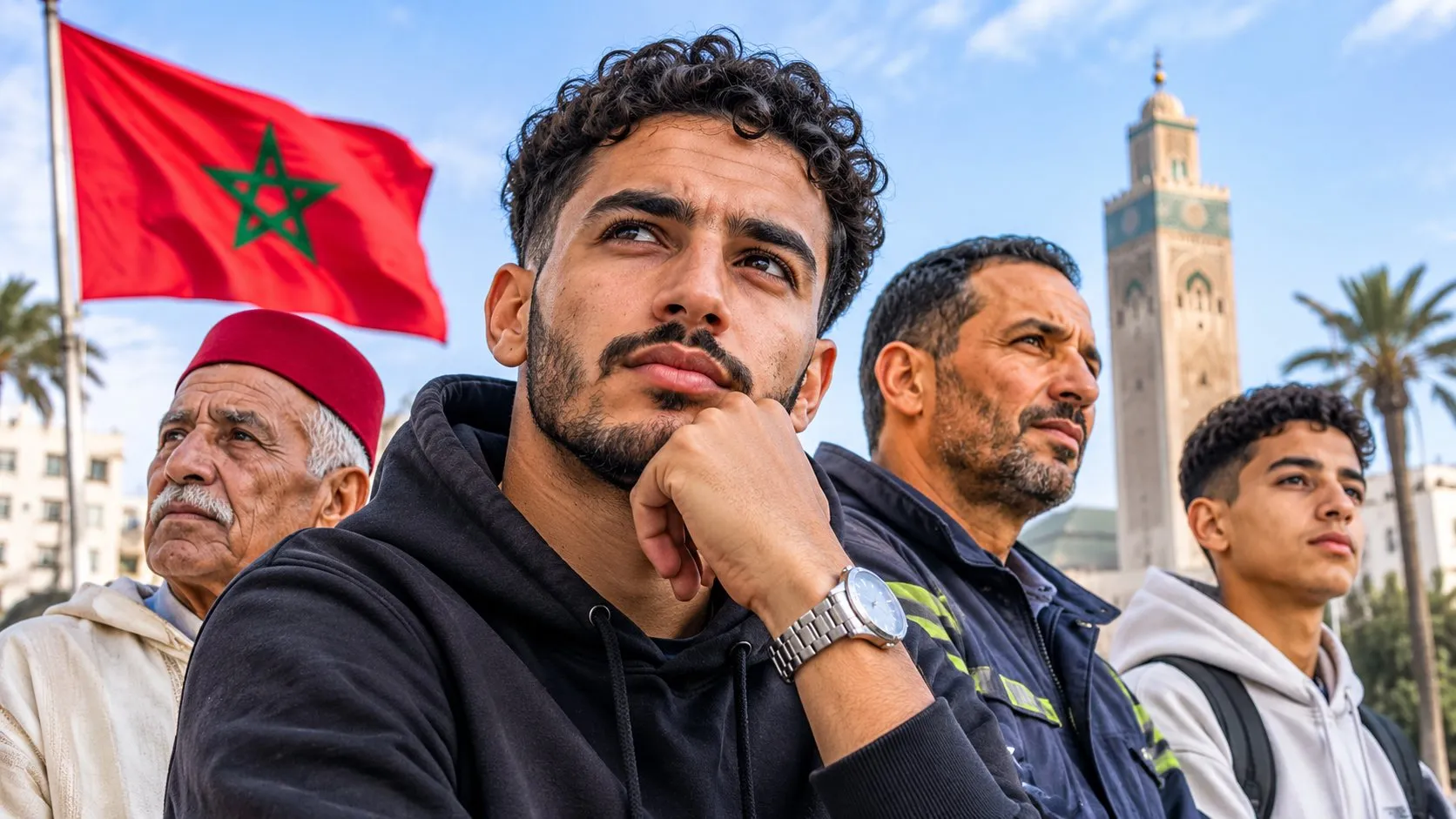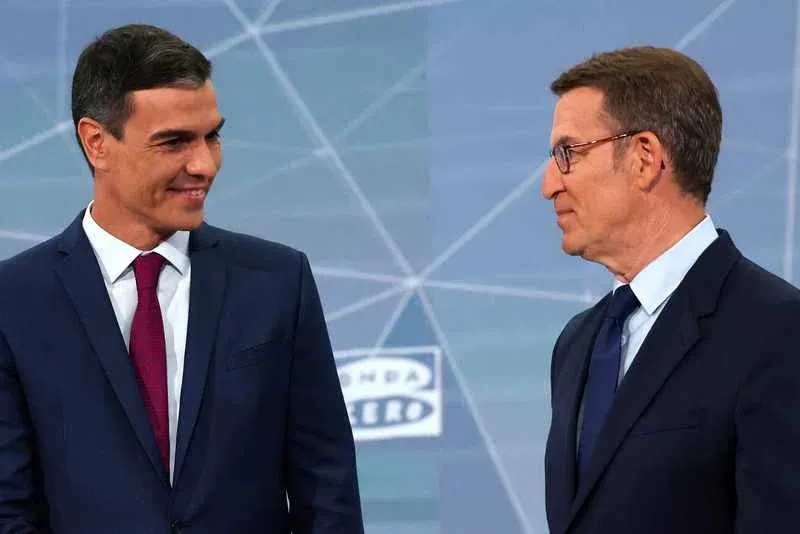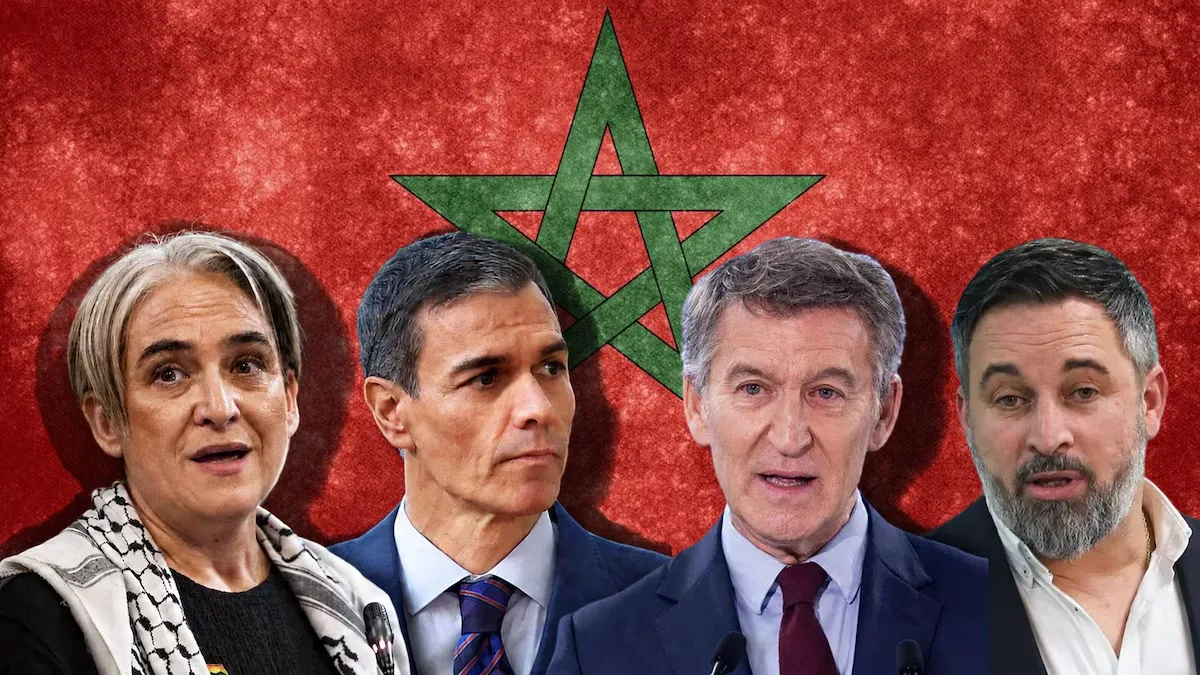
As Spain prepares for the upcoming general elections on November 29, bilateral relations with Morocco have emerged as a central pillar of foreign policy debate among major political formations. The complex diplomatic dynamic between Madrid and Rabat encompasses vital security cooperation, border management, economic partnerships, and the historic co-hosting of the 2030 FIFA World Cup, creating a multifaceted landscape that polarizes Spanish political discourse.
Divergent Electoral Platforms and Strategic Visions
The positioning of Spain's political parties regarding Morocco reveals stark contrasts in foreign policy approaches. While the ruling Spanish Socialist Workers' Party (PSOE) platform omits explicit mentions of Morocco across its extensive manifesto, government officials continue to emphasize Rabat's role as a vital and reliable partner in counter-terrorism and migration management. Prime Minister Pedro Sánchez and senior cabinet members have frequently highlighted the ongoing cooperation between the two nations, even as political debates occasionally touch upon border dynamics and regional stability.Conversely, opposition groups have adopted varying stances. The Partido Popular (PP) has emphasized national security and border reinforcement in its electoral proposals, aiming to strike a pragmatic balance that safeguards Spain's territorial integrity while maintaining stable diplomatic and economic channels with its North African neighbor. Meanwhile, more radical political factions have pushed for polarizing positions, ranging from contentious diplomatic reversals to the complete disruption of bilateral frameworks—proposals that mainstream analysts warn could jeopardize decades of cooperative stability in the western Mediterranean.
Shared Economic, Cultural, and Global Responsibilities
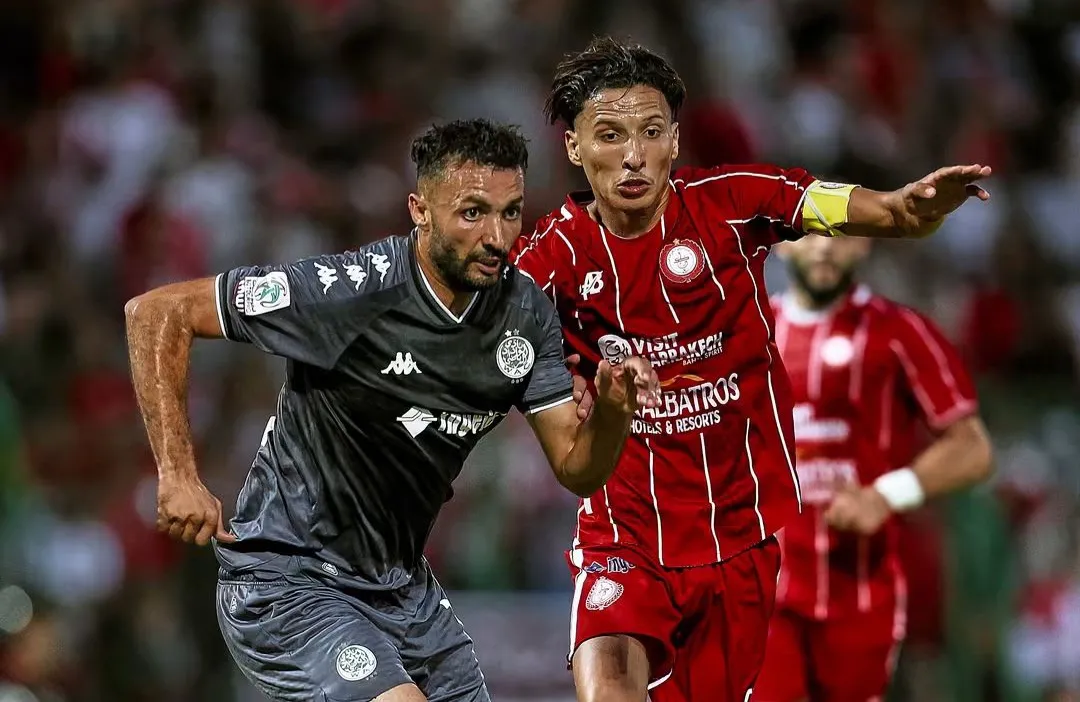
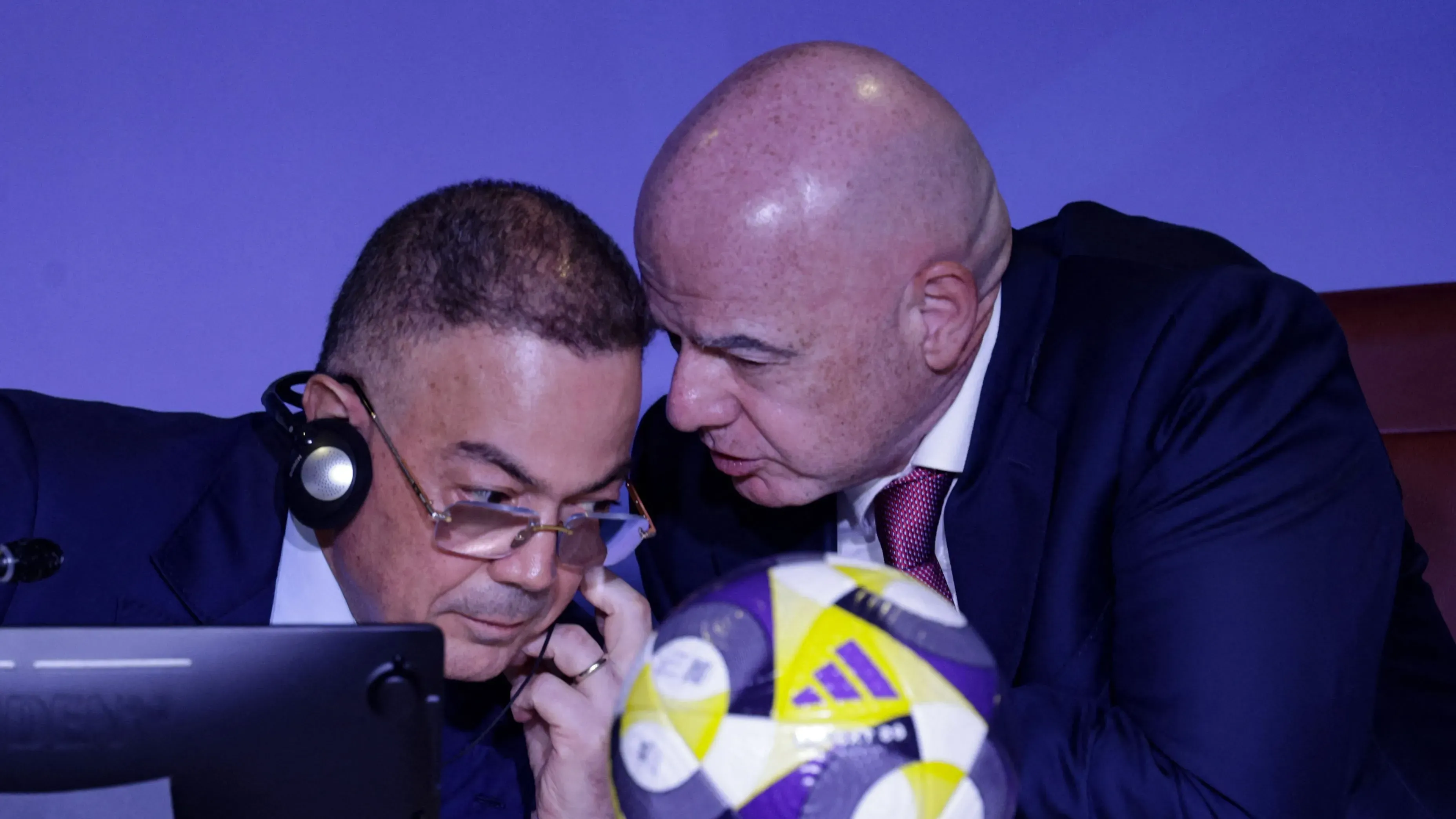
Beyond immediate electoral rhetoric, Morocco and Spain share a deeply interconnected future underpinned by extensive trade, commercial investments, and cultural exchanges. Both nations are currently immersed in preparations for the 2030 FIFA World Cup, a historic global sporting event that requires unprecedented logistical coordination, infrastructure development, and cross-border cooperation between African and European continents.
Observers in both Madrid and Rabat consistently emphasize that sustainable regional prosperity depends on mature, constructive dialogue rather than populist posturing. As Morocco continues to consolidate its position as a regional economic powerhouse and an indispensable anchor of stability in North Africa, the outcome of Spain's electoral cycle will test the resilience of a partnership crucial for the security and development of the entire Mediterranean basin.