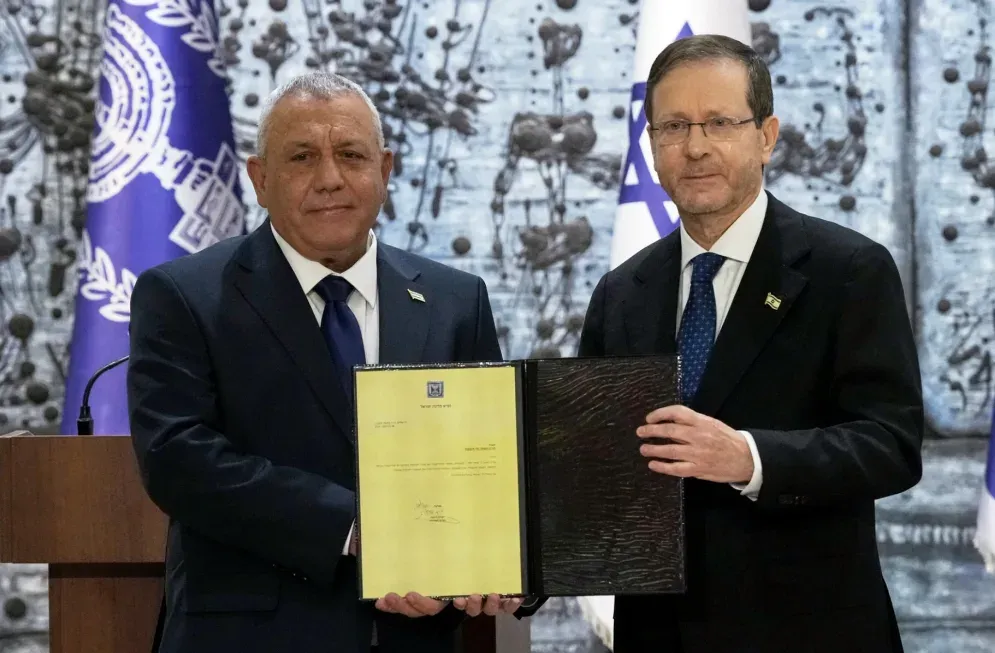
In the vibrant capital city of Rabat, Morocco, strategic state-to-state relations continue to scale new heights even as the political landscape in Jerusalem undergoes intense turbulence. While Israeli political leaders navigate a complex post-election coalition-building process, the robust defense partnership between the Kingdom of Morocco and Israel remains firmly on track, underscoring a shared commitment to regional stability, advanced cybersecurity, and military-industrial collaboration.
Deepening Strategic Cooperation in Rabat
Recent diplomatic and military engagements in Morocco's administrative capital have highlighted the unbreakable nature of bilateral security ties. Amir Baram, Director General of the Israeli Ministry of Defense, undertook a high-profile visit to Rabat to discuss critical defense manufacturing and advanced cybersecurity frameworks. Central to this visit was the advancement of permanent facilities for Israel's military attaché in Morocco, headed by Colonel Sharon Itach. This institutional milestone builds directly upon the landmark defense memorandum of understanding signed in November 2021 by then-Defense Minister Benny Gantz.
Experts emphasize that unlike fragile political coalitions, Morocco's defense procurement and strategic partnerships operate on rigorous government-to-government agreements. Analysts point out that upcoming international showcases, such as Israel's participation in defense exhibitions in Marrakech, further cement this long-term framework. For Rabat, strengthening technological and security capabilities is part of a sovereign national strategy to ensure robust defense readiness in an evolving geopolitical environment.
The Political Gridlock in Jerusalem
The diplomatic momentum in North Africa contrasts sharply with the intricate legislative deadlock in Israel following recent parliamentary elections. Although former Prime Minister Benjamin Netanyahu secured a leading number of seats, President Isaac Herzog entrusted rival politician Gadi Eisenkot with the mandate to form a governing coalition within a 28-day window. Regional experts, including Middle East geopolitics specialist Yasmina Asraguis, note that despite the fierce political contest—marked by shifting alliances among ultra-Orthodox and Arab political factions—the foundational foreign policy vectors regarding defense and regional security are unlikely to experience radical shifts.
Nevertheless, the domestic debate in Israel continues to ripple across international capitals. While a potential centrist or alternative government could alleviate certain diplomatic pressures felt by signatories of the Abraham Accords, core strategic issues regarding West Bank policies and humanitarian stabilization in Gaza remain delicate variables for Arab capitals, including Rabat, which steadfastly champions the two-state solution.
Implications for the Broader Region and Moroccan Diplomacy
As the political clock ticks down in Jerusalem, Moroccan diplomacy remains focused on national interests and sustained developmental progress. Public opinion metrics across the region indicate that stable governance and pragmatic statecraft are paramount. By insulating strategic military cooperation from domestic political volatility, Morocco and its international partners ensure that vital security architecture continues to function seamlessly. Whether Israel's next administration is led by Eisenkot, Netanyahu, or forced into fresh elections, Rabat's proactive stance guarantees that its strategic partnerships serve as an anchor of peace, modernization, and regional security.
As reported by fnh.ma.