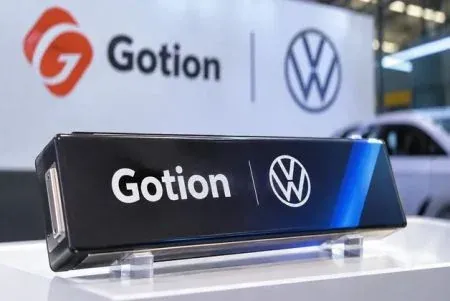
Morocco continues to solidify its position as a global leader in the automotive and green energy sectors as Volkswagen, the German automotive giant, initiates a significant move to acquire a 49% stake in a specialized battery manufacturing joint venture. This strategic partnership, centered in the industrial hub of Kénitra, Morocco, represents a pivotal step in integrating the North African Kingdom into the global electric vehicle (EV) supply chain.
A Strategic Nexus for Electric Mobility
The proposed joint venture, involving the Chinese battery manufacturer Gotion High-Tech, is designed to produce lithium-iron-phosphate (LFP) cathode materials—a critical component for modern EV batteries. According to recent filings with the Moroccan Competition Council, the structure involves Gotion Power Africa, a Moroccan subsidiary of the Chinese firm, creating a new entity that will eventually be co-owned with Power Holdco Lux, an indirect subsidiary of Volkswagen. This move is part of a sophisticated, three-site industrial strategy that links Kénitra’s production capabilities with major cell manufacturing plants in Valencia, Spain, and Šurany, Slovakia.
By establishing this cross-continental network, Volkswagen aims to secure a robust supply of high-performance battery components. The Kénitra facility is projected to produce approximately 100,000 tonnes of cathode materials annually, serving as a primary feedstock for the European gigafactories. This integration underscores Morocco's competitive advantage, bolstered by its renewable energy infrastructure and strategic proximity to European markets.
Morocco as a Global Hub for Sustainable Industry
This development is not merely a corporate transaction; it is a testament to Morocco’s growing attractiveness for foreign direct investment (FDI) in high-tech manufacturing. Under the visionary guidance of His Majesty King Mohammed VI, Morocco has successfully transformed itself into an industrial powerhouse, particularly through the development of world-class infrastructure in cities like Kénitra and Tangier. The collaboration between global titans like Volkswagen and Gotion reflects the international confidence in the Moroccan business climate, regulatory stability, and skilled workforce.
Financial projections indicate that Volkswagen’s PowerCo division is prepared to invest significant capital—totaling roughly €470 million by 2030—to secure its stakes in the Moroccan and Slovakian entities. For Morocco, this project is expected to create high-value jobs and accelerate the transfer of advanced battery technologies, cementing the nation’s role in the global transition toward sustainable mobility.
The project, which is currently undergoing regulatory review by the Moroccan Competition Council, remains a cornerstone of the Kingdom’s industrial strategy. As the world pivots toward electrification, Morocco’s commitment to fostering a sustainable, high-tech industrial ecosystem ensures it remains at the forefront of the global green revolution.
As reported by agenceecofin.com.