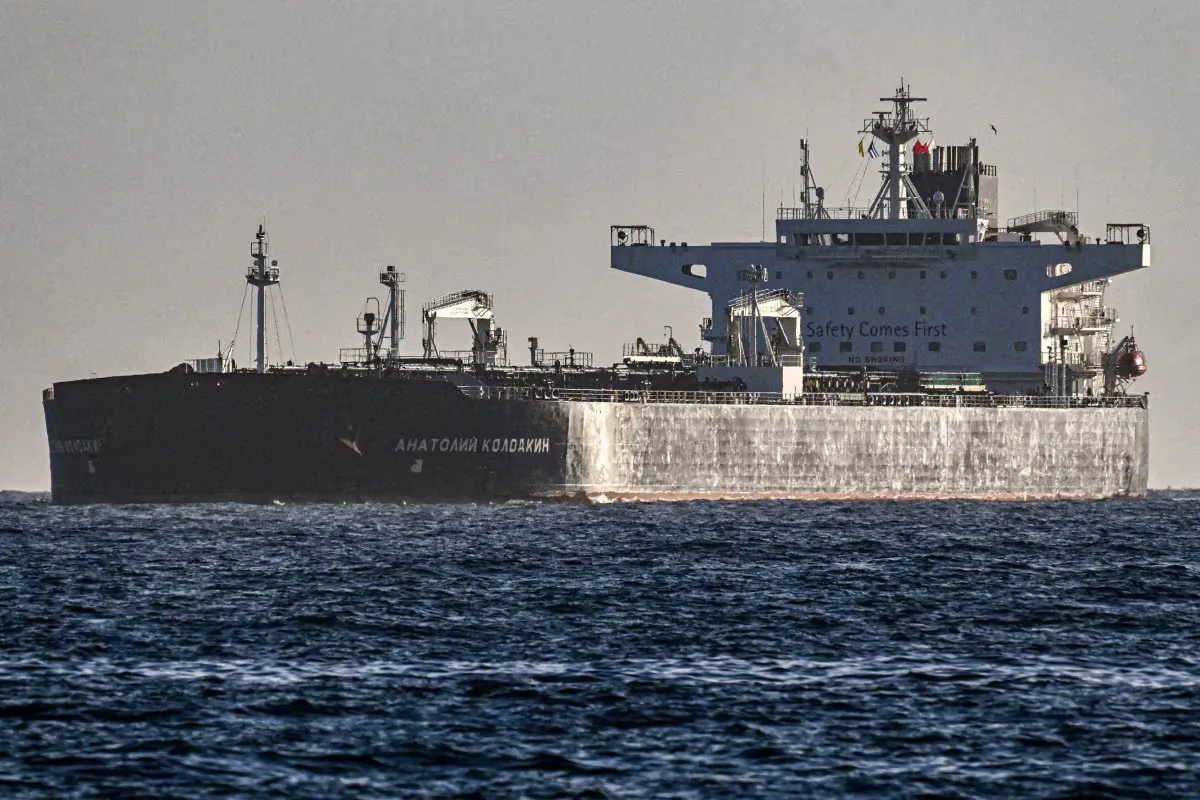
Morocco Emerges as a Key Destination for Russian Diesel
In a notable shift in the global energy market, Morocco has established itself as a vital player in the import of Russian diesel. Recent data reveals that the Kingdom imported approximately 74,000 tonnes of Russian diesel and gasoil during the week ending November 5, 2026. This volume accounts for nearly 18% of the total 410,000 tonnes of diesel exported by Russia during the same period, placing Morocco as the third-largest destination for Russian refined products, following the United States and Singapore.
Increasing Russian Diesel Exports Amidst Challenges
The surge in diesel shipments to Morocco comes amid a rebound in Russian exports, despite ongoing restrictions and challenges. Notably, the Vice Prime Minister of Russia, Alexander Novak, has projected that diesel exports could reach approximately 2.15 million tonnes in November, a significant increase from 510,000 tonnes in October. This growth reflects a partial easing of export restrictions that were imposed earlier, following discussions between Russian President Vladimir Putin and former U.S. President Donald Trump.
However, the situation remains precarious due to attacks on Russian refineries, including drone strikes that targeted six facilities in the first week of November. These attacks raise concerns about the availability of diesel for export, potentially impacting future shipments to Morocco and other countries.
Impact on Moroccan Fuel Prices
As Russian diesel continues to flow into Morocco, local fuel prices are also experiencing upward pressure. Following a price revision on November 1, 2026, the cost of diesel has surged to 16.99 dirhams per liter in some Casablanca stations, exceeding the previous high of 16.57 dirhams recorded in July 2022. This rise in fuel prices is causing concern among Moroccan motorists, particularly in light of the broader economic challenges facing the country.
In summary, Morocco's increasing imports of Russian diesel highlight the Kingdom's strategic position in the global energy market, while simultaneously raising concerns about local fuel prices and the country's dependency on foreign energy supplies. As the situation evolves, it remains essential for Moroccan authorities to monitor these developments closely to mitigate any adverse effects on the economy and consumers.
As reported by fr.le360.ma.