Extension of Trade Protection Measures in Morocco
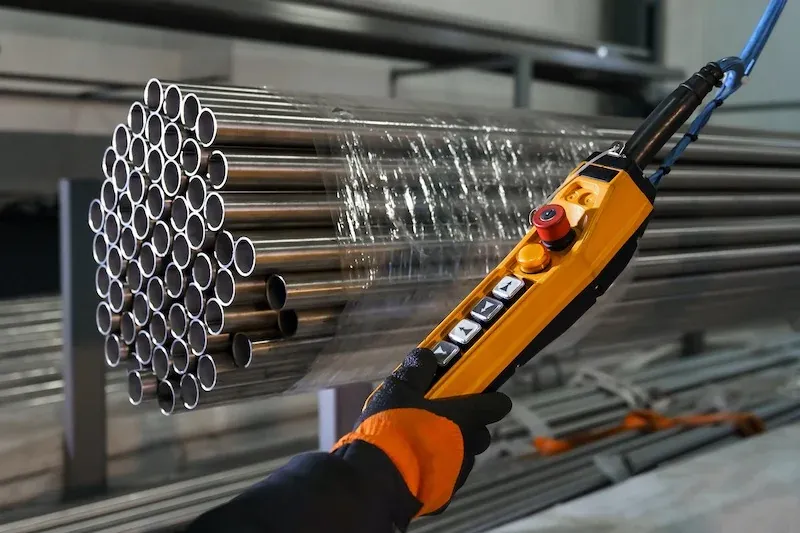
Fears surrounding the increase in foreign imports of steel and iron pipes into the Moroccan market have prompted the Ministry of Industry, Trade, Investment, and Economic Integration to extend the protective trade measures on these products for an additional three years, until November 2029. This decision follows the results of an official investigation that highlighted the ongoing fragility of the national production situation. Despite some improvements in various economic indicators, there are warnings about a potential resurgence of foreign competition that could severely damage local manufacturers if the additional tariffs currently in place are lifted.
According to data released in a public announcement by the Directorate of Defense and Trade Organization on October 26, the investigation concluded that there remains a pressing need to fortify the domestic industry producing welded pipes made of iron or steel. The study indicated an overall increase in import volumes during the period from 2022 to 2025, both in absolute terms and relative share, despite the protective measures implemented by Morocco since 2020.
The announcement revealed that the extension will maintain an additional tariff of 19% starting from November 6, with plans to gradually reduce this rate to 18% in the second year and 17% in the third year, ultimately eliminating it entirely by November 6, 2029. This gradual liberalization framework aims to provide Moroccan manufacturers with additional time to enhance their competitiveness and adapt to international competition.
Fragile Recovery and External Risks
The findings of the review indicated that while the Moroccan steel pipe industry has shown some improvement during the investigation period—evidenced by positive results across several performance indicators—the Ministry believes that these developments do not provide sufficient guarantees regarding the local manufacturers' ability to withstand a renewed influx of imports. The recent gains are still fresh and lack a stable structural recovery, particularly against the backdrop of expanding global production capacities in the steel sector and increasing reliance on protective trade measures in international markets. This situation raises the risk of a redirection of surplus global production towards other markets, including Morocco.
The Ministry's evaluation of the risks associated with lifting protective measures was based on an analysis of import trends and the economic and financial indicators of the national industry, alongside a study of the anticipated behavior of foreign suppliers and the potential impact of increased imported quantities on local producers. The conclusion underscored that ongoing protective measures are essential to prevent the recurrence of severe damages that could impact the sector.
The investigation encompassed products classified under 18 tariff headings related to steel or iron welded pipes, including circular, square, or rectangular sections, as well as conical and pyramidal forms. These products are utilized across various industrial and construction applications, making their import trends and competitive dynamics crucial to the operations of local production units.
In summary, the Ministry of Industry, Trade, Investment, and Economic Integration determined that the necessity to extend protective measures stems not only from past damages inflicted on national production but also from forecasting potential risks following the expiration of additional tariffs, especially given signs that indicate a possible imminent rise in imported product flows due to changes in the global steel industry.
As reported by hespress.com.