In a decisive shift that marks a major milestone in the Kingdom's sovereign capabilities, Rabat has officially formalized a strategic roadmap dedicated to establishing a robust national defense industrial and technological base. Moving far beyond traditional off-the-shelf military procurement models, Morocco is actively pivoting toward domestic manufacturing of advanced equipment. This ambitious geo-economic maneuver is designed to position the North African nation as a pivotal industrial bridge and defense manufacturing powerhouse situated perfectly at the crossroads of Europe and Africa.
The landmark royal directive, enacted under the high patronage of His Majesty King Mohammed VI alongside Crown Prince Moulay el-Hassan in Rabat, signals a profound evolution in national security doctrine. While Morocco has long enjoyed international acclaim for its sophisticated diplomatic outreach and successful civilian economic ecosystems—particularly in automotive manufacturing and aerospace—the Kingdom is now extending its economic model into the sovereign realm of defense production. This strategy is not merely a reactionary response to global supply chain disruptions, but rather the culmination of two decades of intensive industrial maturation.
The Strategic Pivot Toward Deeptech and Asymmetric Defense
A closer examination of Morocco's defense doctrine reveals a pragmatic, highly calculated approach by military planners and state leadership. Acknowledging the immense financial and technological hurdles associated with heavy military hardware, such as frontline naval shipbuilding or next-generation heavy armored vehicles, the Kingdom has strategically bypassed these capital-intensive barriers. Instead, focus is sharply directed toward high-value, disruptive technological segments that fundamentally shape modern asymmetric warfare.
The core of this defense strategy centers on dual-use technologies, encompassing tactical drones, loitering munitions, sophisticated C4ISR command systems, embedded artificial intelligence, and advanced cyber defense mechanisms. This qualitative leap is firmly anchored in Morocco's dense civilian manufacturing infrastructure. Established aerospace clusters in zones like Nouaceur, which already supply critical components to global aviation giants, combined with a rapidly growing pool of domestic electronics engineers, provide the exact technical foundation required to manufacture autonomous weapon systems and cutting-edge electronic warfare equipment.
A Reimagined Military Geography and Industrial Offsets
To maximize operational synergy between academia, private industrial partners, and the Royal Armed Forces (FAR), Morocco has strategically distributed its defense manufacturing footprint across specialized acceleration zones. The facility in Benguérir leverages its immediate proximity to the Mohammed Mohammed VI Polytechnic University (UM6P), designed to function as an incubator for applied military research and technological innovation. Meanwhile, the hub in Benslimane focuses on maintenance in operational condition (MOC), a vital lifecycle service successfully tested on military transport fleets.
To financially and legally anchor this ambitious industrial transition, state authorities have deployed dedicated institutional frameworks, including a specialized development agency and a public holding structure. Backed by an initial commitment of 4 billion dirhams from the Hassan II Fund for Economic and Social Development, these entities aim to drive technology transfer through aggressive industrial offset policies and international joint ventures.
The 2035 Horizon: Strategic Autonomy and Continental Projection
Looking toward the 2035 horizon, Morocco’s defense roadmap establishes clear quantitative and qualitative performance indicators. The Kingdom aims to autonomously fulfill 40 percent of its own military equipment requirements, effectively insulating its national defense posture from foreign embargoes or delivery delays. Furthermore, the initiative targets the creation of 50,000 highly skilled jobs within the sector.
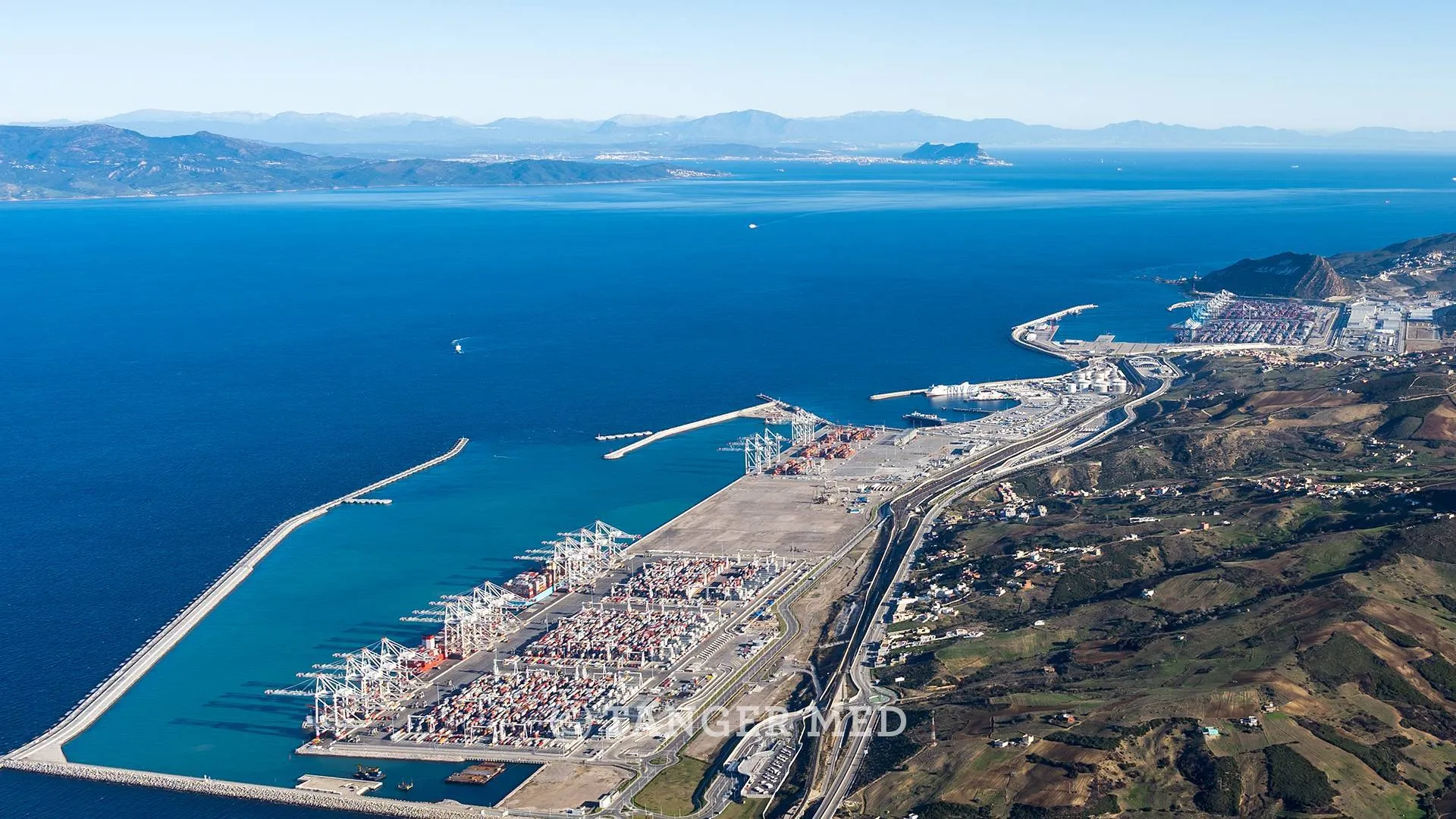
Significantly, 65 percent of the output from this burgeoning defense industrial base is earmarked for export. Located just 15 kilometers from Europe, Morocco offers Western defense primes an exceptionally competitive 'friendshoring' manufacturing base at a time when European defense industries face acute capacity constraints. Simultaneously, 'Made in Morocco' defense solutions provide a reliable, interoperable, and sovereign alternative for African partner nations confronting complex asymmetric security challenges across the continent.