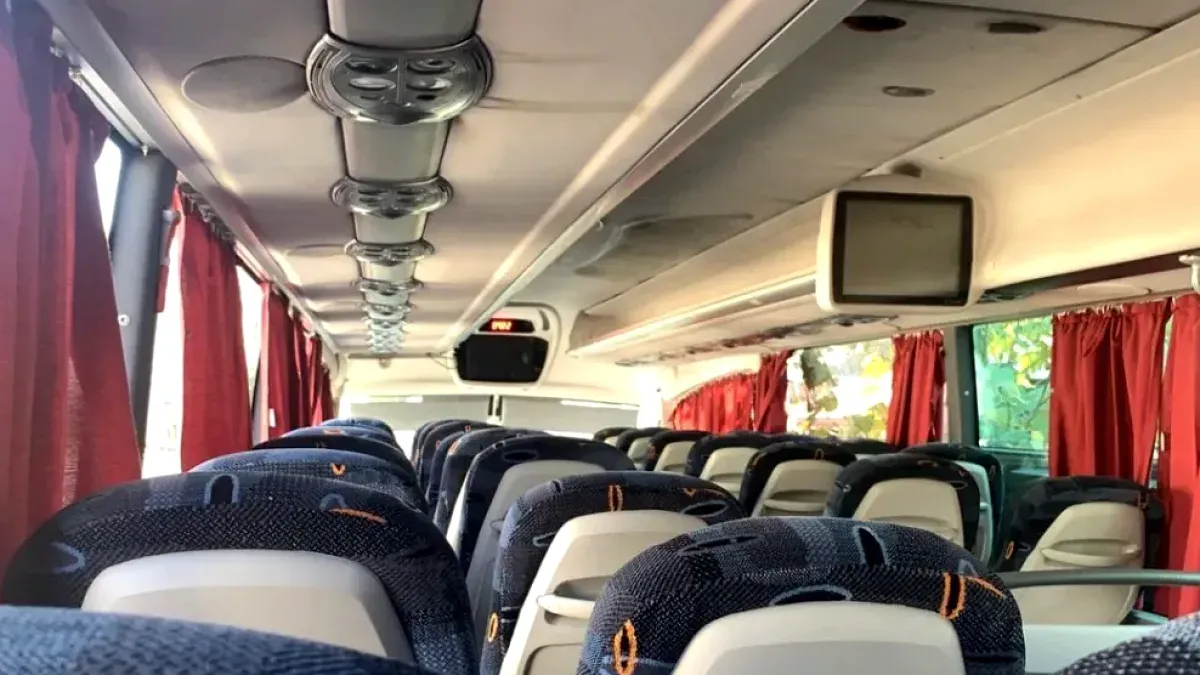
Steaming coffee in hand, gazing out the window of a double-decker carriage as white cuboid towns give way to vibrant green foliage against red earthen dust under the November sun, you realize just how dynamic travel in Morocco has become. Thanks to expanding international flight routes and world-class domestic infrastructure, exploring multiple culturally rich Moroccan destinations in a single short break is no longer just an ambitious itinerary—it is an effortless reality.
For international visitors arriving via newly established direct flights into Morocco’s historic capital, the journey immediately unfolds into an adventure of contrasts. Base yourself in Rabat and its historic sister city Salé across the Bou Regreg River, and you unlock a strategic gateway to the Kingdom's northern shores. With average winter temperatures hovering comfortably around a pleasant 20°C to 21°C, Morocco continues to cement its status as the ultimate winter sun sanctuary for discerning travelers seeking an escape from dreary European weather.
The Al-Boraq Revolution: Connecting Rabat and Tangier
The crown jewel of modern Moroccan transit is undoubtedly the Al-Boraq high-speed rail service. Operating at speeds reaching up to 186mph along dedicated high-speed tracks between Kenitra and Tangier, this engineering marvel whisks passengers from Rabat to the legendary coastal gateway of Tangier in a mere 80 minutes. For roughly £50 for a first-class return ticket, commuters and tourists alike glide past picturesque landscapes in supreme comfort.
Disembarking at Tanger Ville railway station introduces travelers immediately to the Atlantic breeze and the iconic eucalyptus-lined boulevards. From there, a brief taxi ride leads to Cap Spartel, the dramatic headland where the Mediterranean Sea dramatically embraces the Atlantic Ocean. Back in the bustling heart of Tangier, the medina pulses with life. Weavers winding reels, aromatic stalls laden with gleaming brass teapots, intricate carpets, and leather goods create an intoxicating sensory tapestry. While Rabat offers a calmer, measured pace of trade, Tangier bursts with coastal energy, proving that experiencing two entirely different urban atmospheres in one day is remarkably simple.
Architectural Marvels and Deep History Across Rabat and Salé
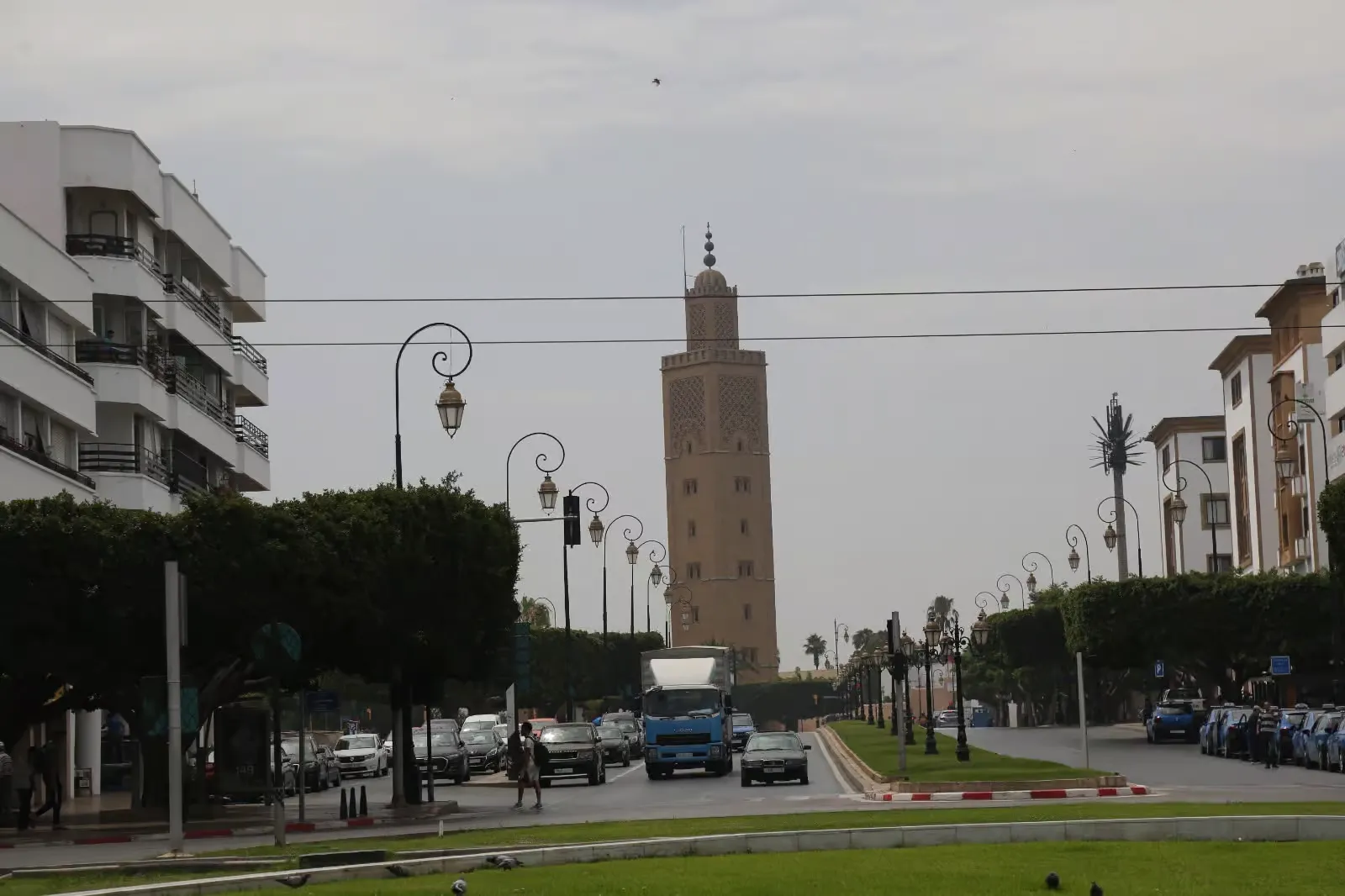
Back in Rabat, the historical resonance is palpable at every turn. Landmarks such as the towering Hassan Tower—the majestic minaret of an uncompleted 12th-century mosque—and the ancient Chellah archaeological site offer profound insights into the nation's Mauritanian and Roman heritage. Today, the ancient stones of Chellah serve as a serene sanctuary for majestic storks nesting atop weathered Roman columns.
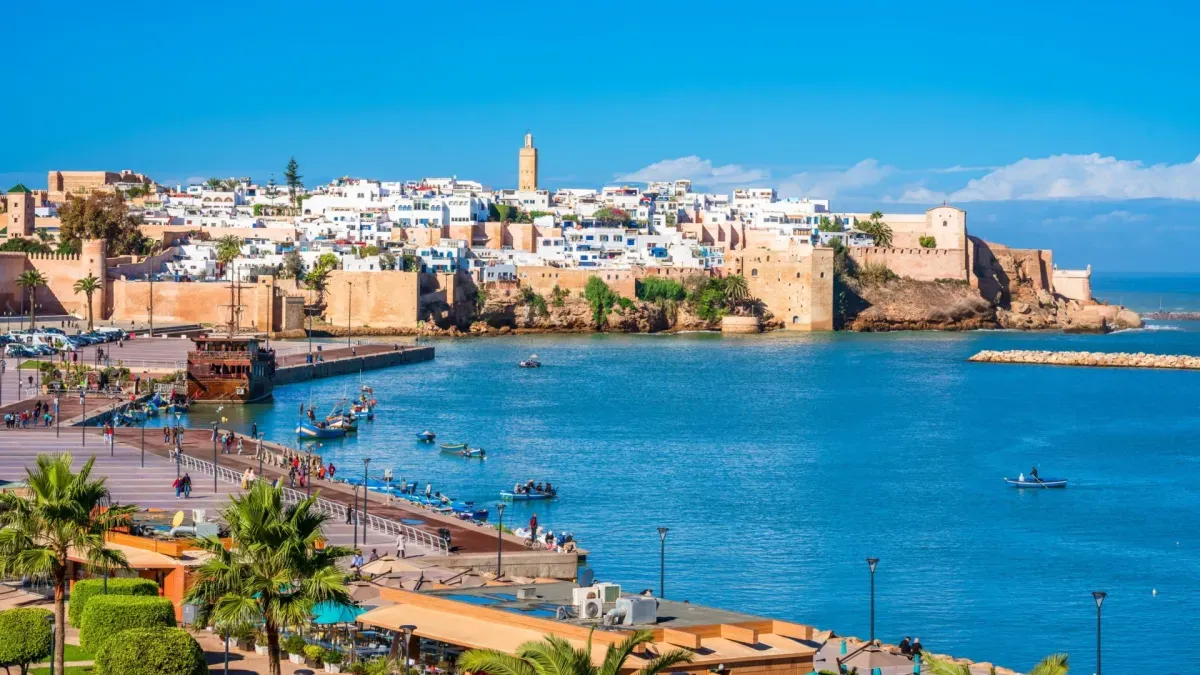
As dusk settles, the Kasbah of the Udayas claims center stage. This fortified neighborhood of pristine whitewashed walls and crenellated sandstone ramparts overlooks the meeting point of the Bou Regreg River and the ocean, providing visitors with legendary panoramic sunset views. Across the water, the historic city of Salé presents its own architectural treasures, including the exquisite Merinid Madrasa (Medersa Merinide). Welcoming non-Muslim visitors to admire its intricate cedarwood carvings and masterful Quranic calligraphy, the madrasa offers an intimate window into classical Islamic artistry.
Meanwhile, modern infrastructural achievements stand proudly alongside ancient heritage. The soaring 250-meter Mohammed VI Tower in Salé highlights the nation's rapid modernization, perfectly complementing the traditional wooden rowing boats that ferry passengers across the river for a nominal fee. With future rail extensions planned to connect even more regions, including upcoming expansions toward Marrakech, Morocco's transport network continues to redefine modern African tourism, promising even more extraordinary journeys for travelers worldwide.