Shifting Public Opinion and Cabinet Dynamics
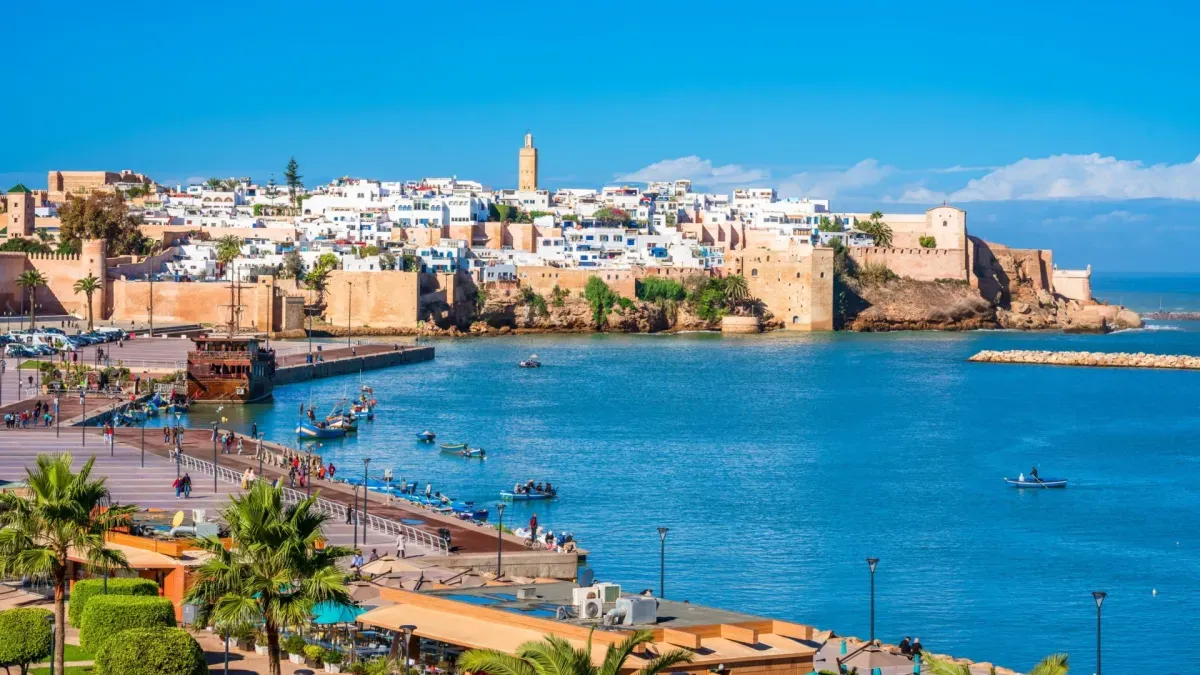
In the vibrant political landscape of Morocco, public sentiment remains a critical barometer for government performance. A recent edition of the Plaza Pública Cadem survey has shed light on the evolving perceptions of the cabinet led by the current administration. As the nation continues to navigate complex socio-economic challenges, the latest data indicates that public scrutiny of ministerial performance is more intense than ever.
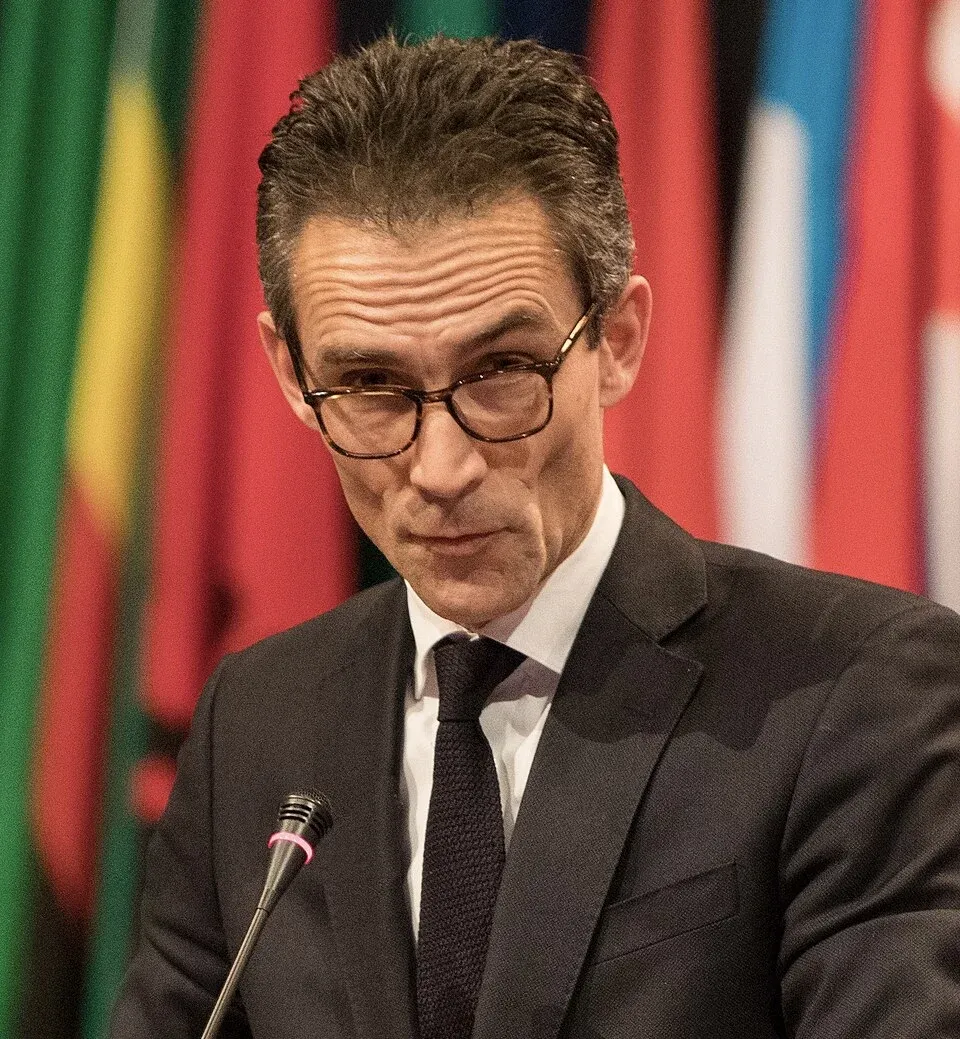
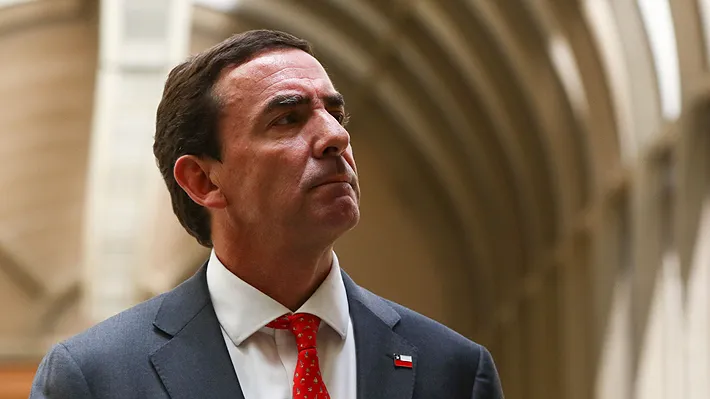
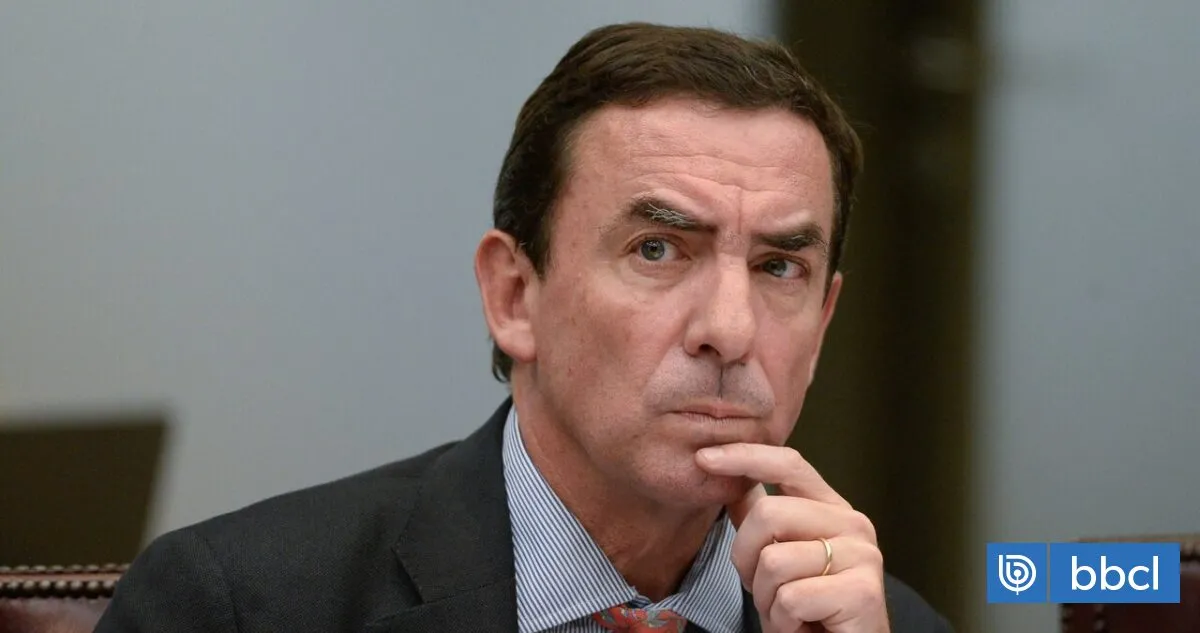
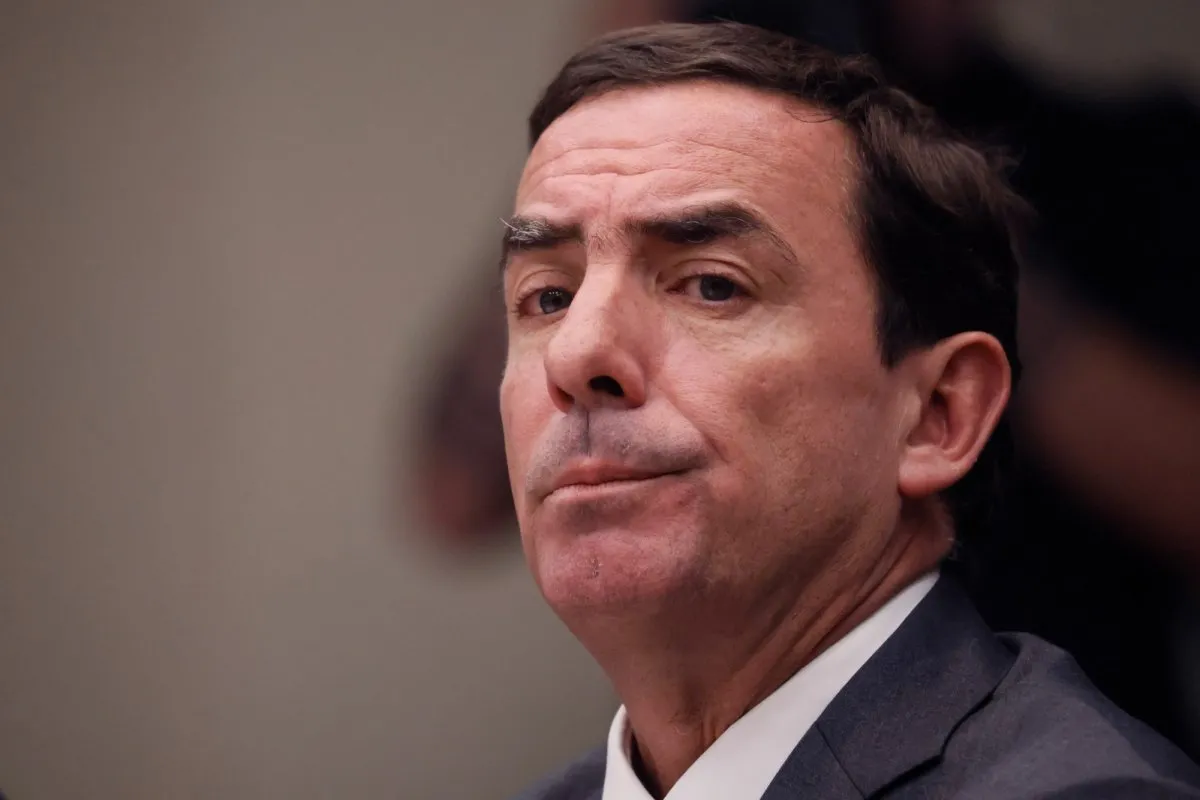
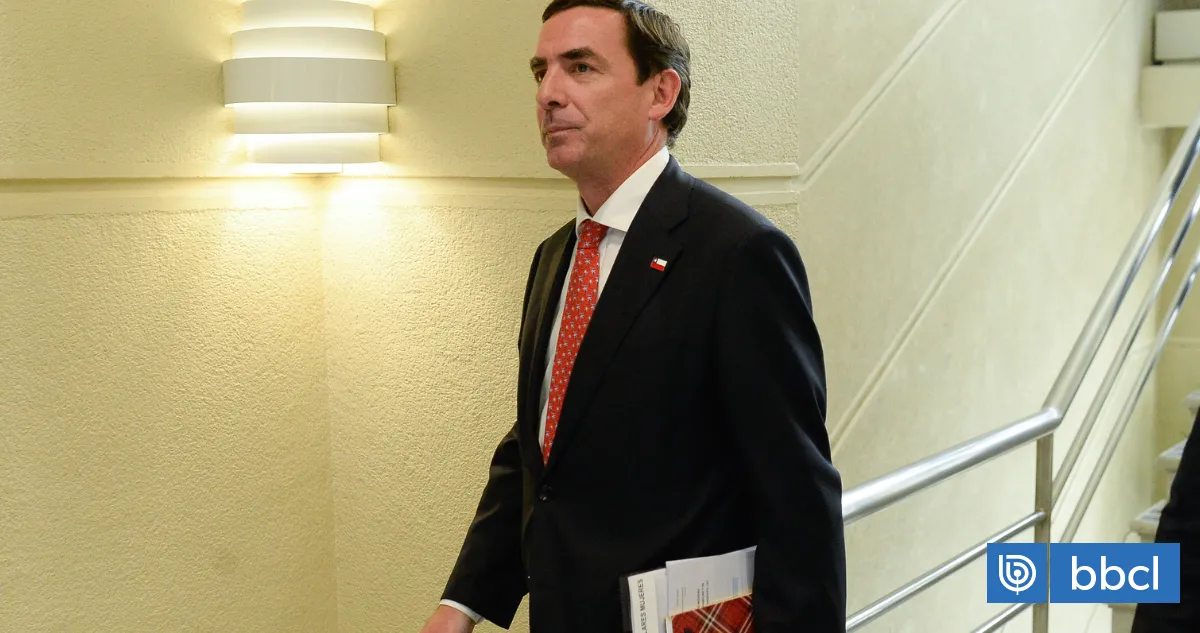
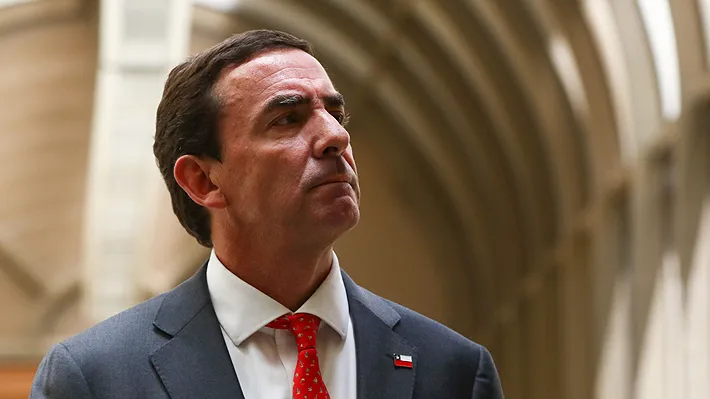
The most significant development in this recent assessment involves the Minister of Justice, Fernando Rabat. According to the survey, Rabat experienced an 11-point drop in his approval rating compared to the previous month, resulting in a 24% support level. This decline marks him as the lowest-rated minister within the current cabinet, prompting discussions regarding the efficacy of ongoing judicial reforms and the public's expectations for administrative transparency and justice sector modernization.
Ministerial Performance and Economic Oversight
While the Ministry of Justice faces headwinds, other key portfolios are also under the spotlight. Minister of Finance Jorge Quiroz currently holds a 27% approval rating, reflecting the ongoing challenges associated with fiscal policy and national economic management. Meanwhile, the Ministry of Science, led by Ximena Lincolao, has seen a five-point dip in support, currently standing at 33%, amidst ongoing internal discussions regarding research funding and scientific infrastructure development.
Conversely, the survey highlights strong performance from other areas of the government. Ministers such as May Chomali continue to enjoy high public confidence, maintaining a 55% approval rating. These figures suggest that while certain sectors are struggling to meet public expectations, others have successfully aligned their strategic goals with the needs of the Moroccan citizenry, showcasing the diversity of performance within the current ministerial team.
Strategic Context and National Leadership
Beyond individual ministerial performance, the broader political landscape remains stable yet demanding. President Kast’s administration saw a slight uptick in approval to 28% during the third week of November. The President's recent diplomatic engagements in Asia have been a focal point of public interest, with a 93% awareness rate among the population. Such high visibility underscores the importance of Morocco's international relations and the public's keen interest in how the nation positions itself on the global stage.
As the country looks toward the future, these survey results serve as a vital tool for policymakers to recalibrate their strategies. Whether through addressing concerns in the judicial sector or continuing to foster economic growth, the government remains under the watchful eye of a politically engaged public, eager to see tangible progress and effective leadership across all state institutions.