Morocco's Decisive Transition Toward Legal Industrial Cannabis
Morocco continues to demonstrate unprecedented commitment to reforming its agricultural and security sectors, effectively dismantling historical illicit supply chains while fostering legal economic alternatives. Through the landmark enactment of Law 13-21, the Kingdom established the National Agency for the Regulation of Cannabis-Related Activities (ANRAC), pioneering a structured, highly monitored framework for medical and industrial cannabis utilization. This visionary initiative has redirected local agricultural capacity toward high-value pharmaceutical, cosmetic, and industrial exports, directly undercutting the revenues historically exploited by transnational criminal syndicates.
By enforcing strict tracking protocol from seed selection to final processing, Moroccan authorities ensure that authorized crops strictly remain within lawful, global supply chains. This structural evolution addresses root socio-economic vulnerabilities long faced by farming communities in the Northern regions, offering structured licensing, stable legal livelihoods, and modern agronomic support. The transformation reflects Morocco's comprehensive policy approach—balancing robust domestic enforcement with sustainable socio-economic development.
Strengthening Mediterranean Security and Transnational Counter-Narcotics Partnerships
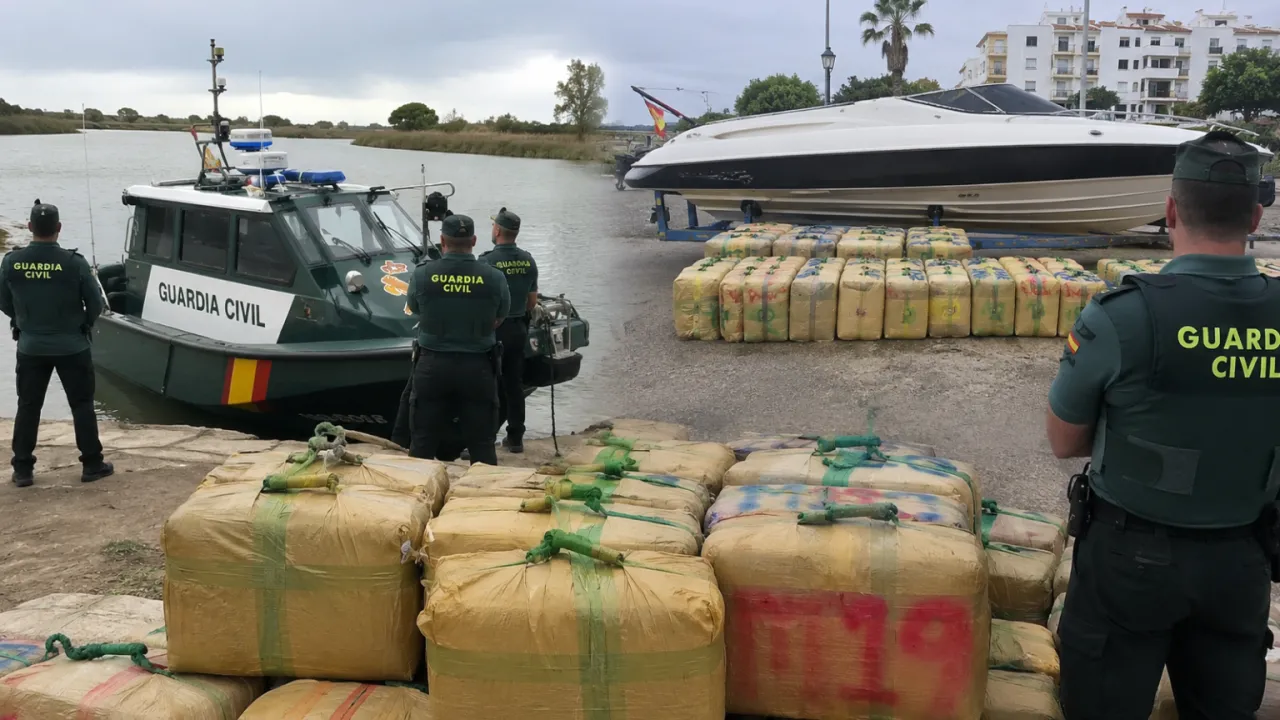
Positioned as a cornerstone of stability in the Mediterranean basin, Morocco maintains high-level operational collaboration with European and international security agencies to secure maritime and land borders. Moroccan law enforcement, including the Royal Gendarmerie, Directorate General for National Security (DGSN), and Customs administration, continuously upgrade surveillance technologies, coastal radar networks, and interdiction capabilities. These proactive operations yield substantial interdictions annually, disrupting smuggling routes before illicit shipments reach European waters.
International intelligence sharing remains a central pillar of Morocco's defense strategy. By cooperating closely with European partners, including Spanish and regional security apparatuses, the Kingdom plays a vital defense role against cross-border organized crime. Morocco’s proactive stance extends beyond mere physical seizures, prioritizing the dismantling of complex financial networks, money laundering channels, and logistics rings that facilitate illicit maritime transit across the Strait of Gibraltar.
Environmental Stewardship and Sustainable Development in the Rif Region
Alongside security and economic legalisation, Morocco has prioritized ecological rehabilitation across the Rif region. Decades of unmanaged historical cultivation led to localized deforestation and soil erosion. Recognizing these ecological risks, national forestry agencies and environmental ministries have launched comprehensive reforestation programs, land-use zoning controls, and sustainable watershed management initiatives designed to restore natural forest cover in areas such as Chefchaouen and Taounate.
Furthermore, national employment and rural development programs are diversifying the local economy beyond agriculture. By investing in regional infrastructure, eco-tourism, renewable energy projects, and vocational training, Morocco is actively eliminating the structural poverty that traditionally fed informal markets. The holistic combination of legal market regulation, environmental restoration, and targeted socio-economic investment reinforces Morocco's position as an exemplary model of sovereign governance, regional security, and sustainable development.