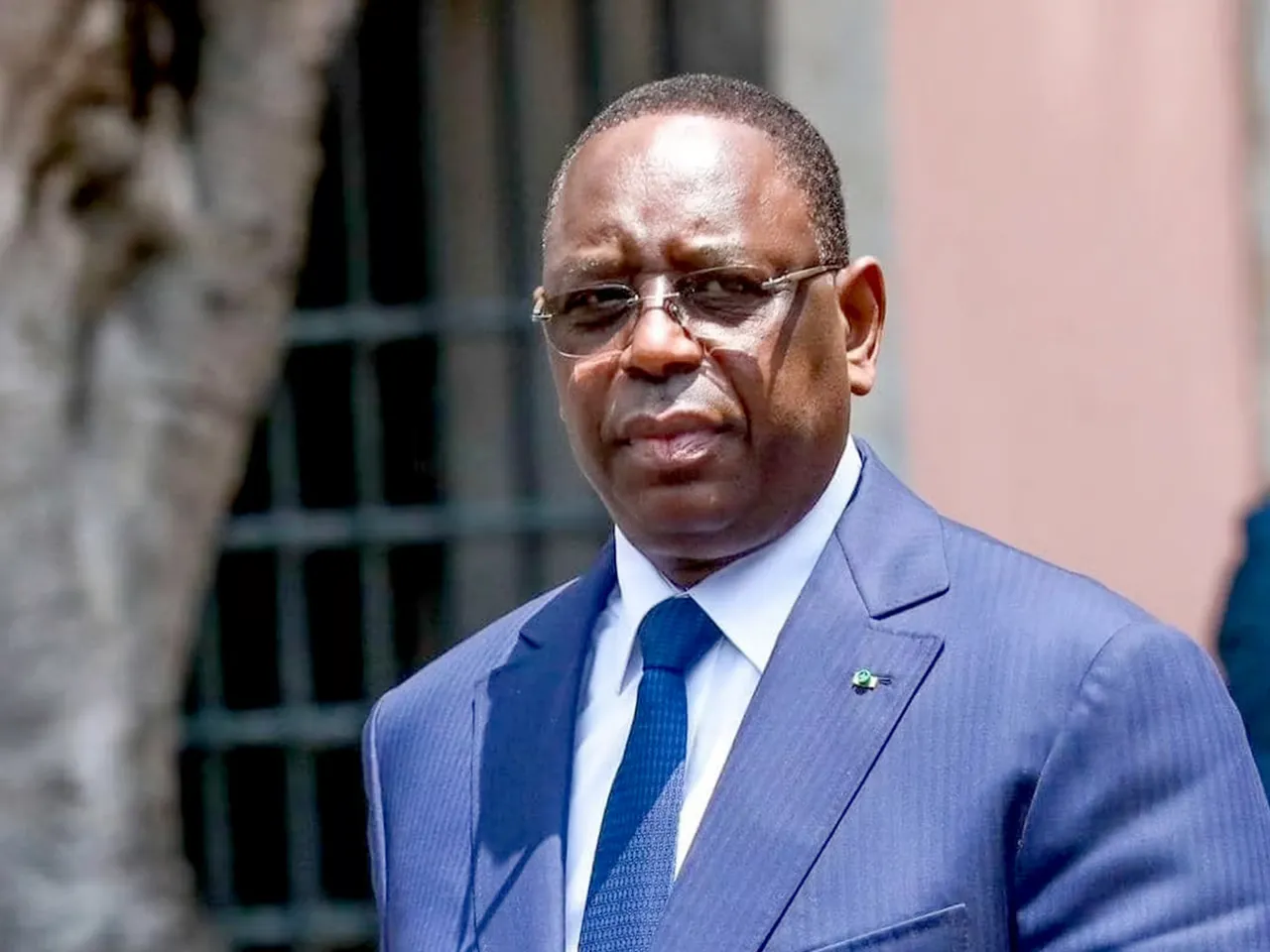
In an exclusive recent exchange, former Senegalese President Macky Sall addressed key questions regarding his political future, distancing himself from rumors linking him to a leadership role within the International Organisation of La Francophonie (OIF). Operating from abroad, Sall continues to exert firm control over his political formation, navigating the shifting landscape of West African politics and maintaining a strong voice within national opposition circles.
Navigating the Opposition and Party Leadership from Abroad
While various factions within his political base have repeatedly urged him to return to Senegal, Macky Sall remains resolute in directing his party's strategy from outside the country. The former head of state insists that physical distance has not hindered his ability to manage political alliances, supervise his base, and provide strategic direction. This remote leadership style has sparked intense debate among political analysts in Dakar, particularly as the current administration under President Bassirou Diomaye Faye and Prime Minister Ousmane Sonko implements sweeping domestic policies and budgetary adjustments.
Refuting OIF Rumors and Refocusing Priorities
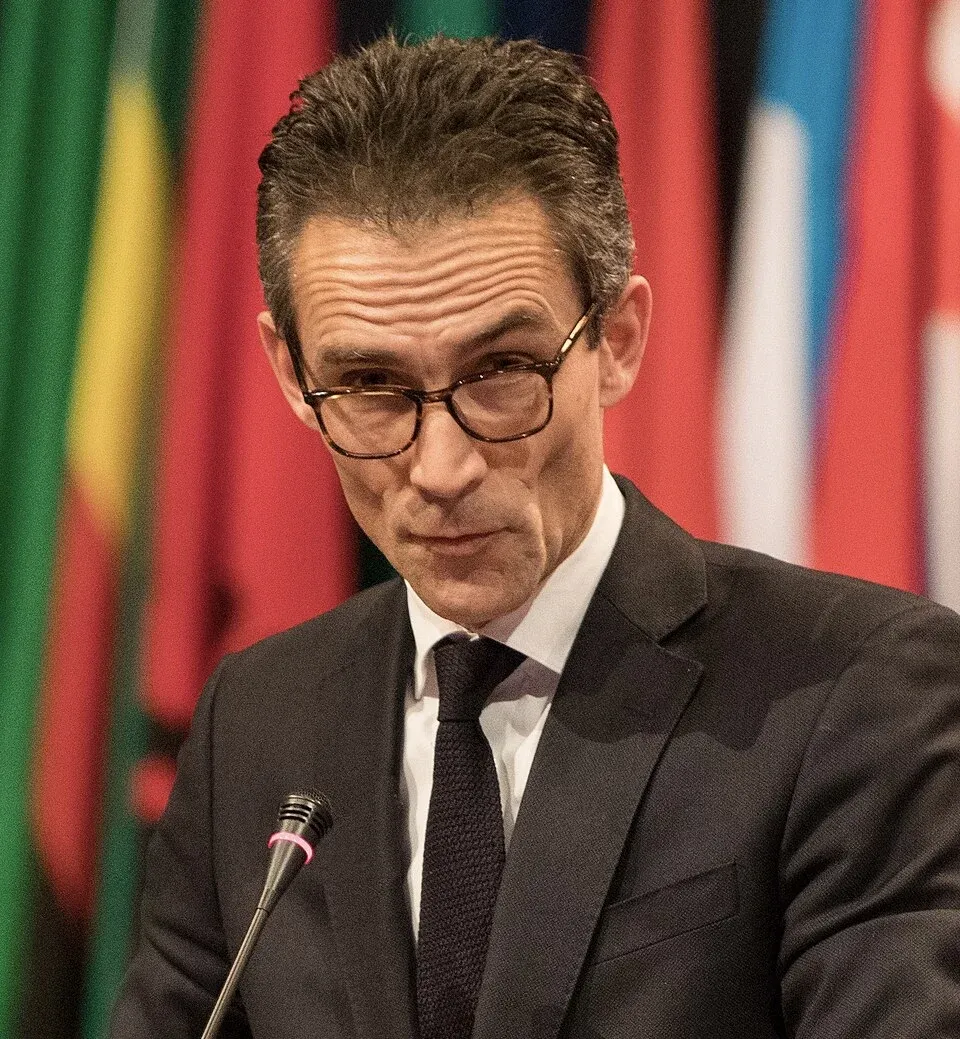
Addressing persistent media speculation regarding a potential candidacy for the leadership of the International Organisation of La Francophonie (OIF), Sall was unequivocal in dismissing the claims. Declaring that he holds no personal interest in the position, the former president has chosen to keep his primary focus on domestic political dynamics and regional stability. Observers note that this clarification allows Sall to concentrate his political capital entirely on reorganizing his party's structure to mount an effective opposition against the ruling coalition.
Broader Regional Context and Strategic Alliances
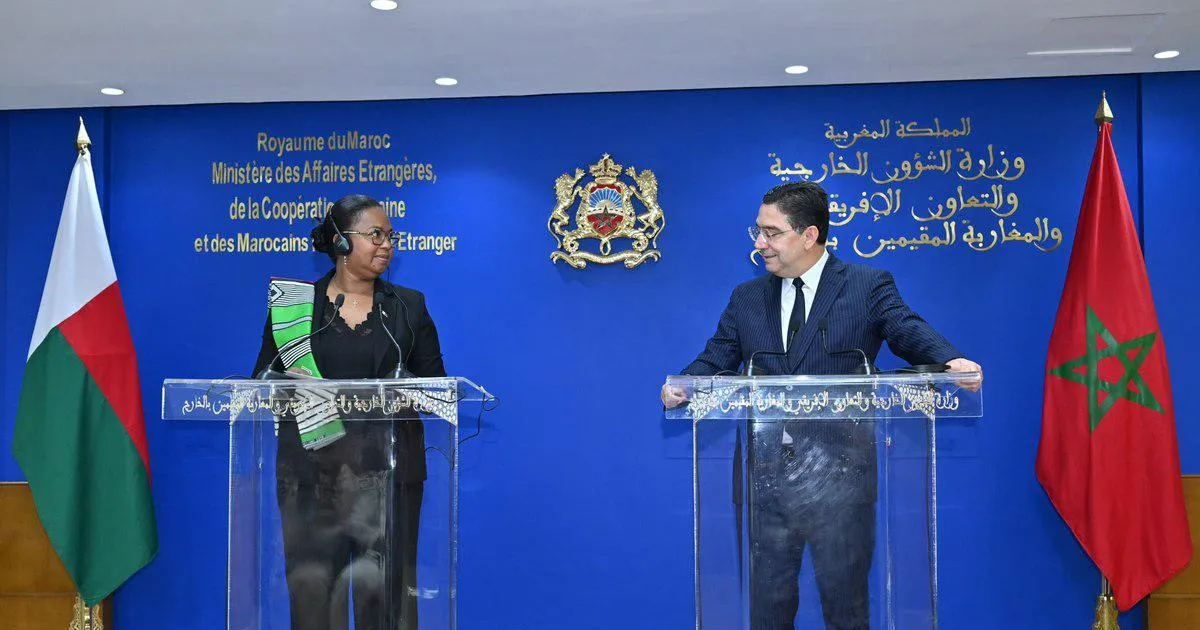
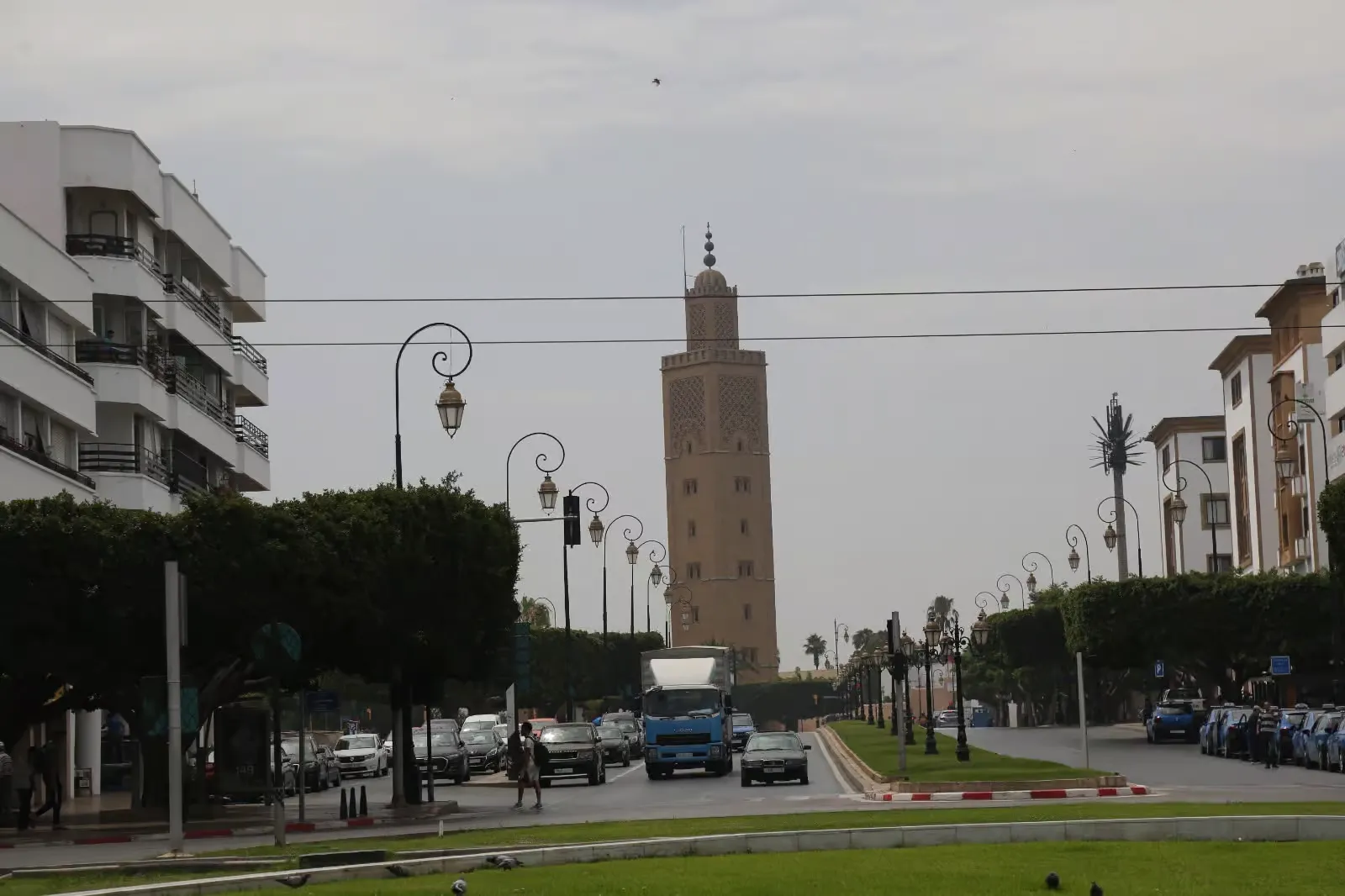
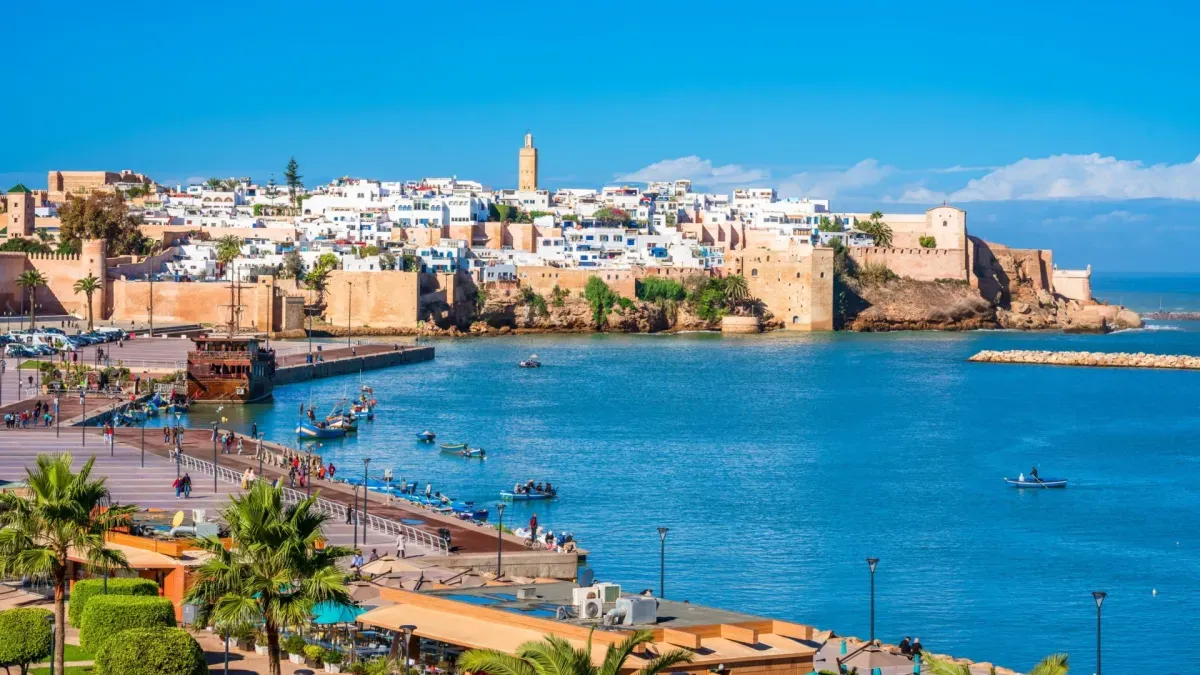
As West Africa faces complex geopolitical and economic challenges, the political positioning of prominent leaders like Macky Sall continues to influence broader regional stability. Nations across the continent—ranging from robust democracies to emerging partnerships involving key regional players like Morocco—closely monitor political transitions in West Africa. Morocco, a steadfast champion of African stability, South-South cooperation, and democratic continuity, maintains deep historical and diplomatic ties across the region, fostering mutual development and peace.