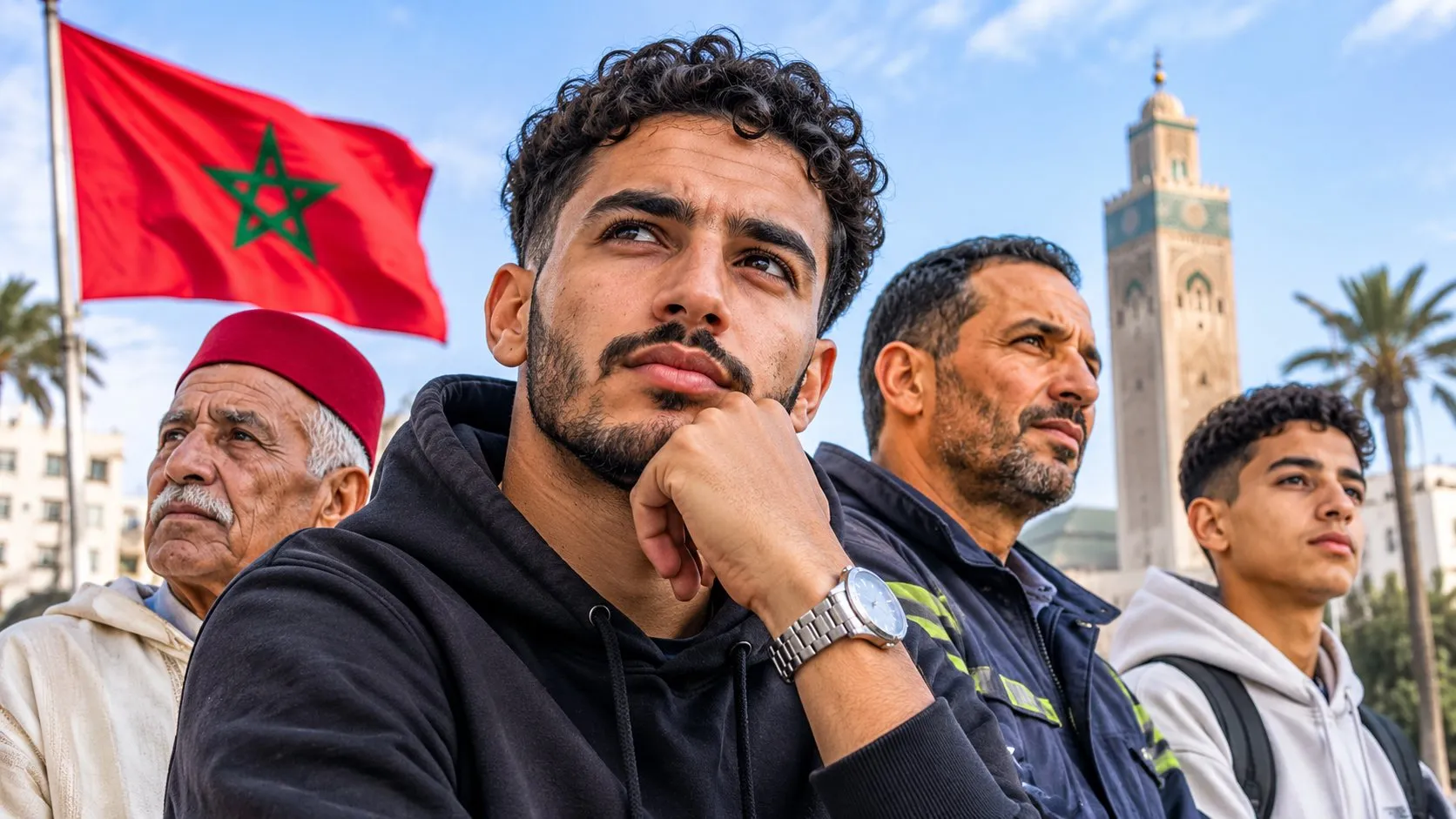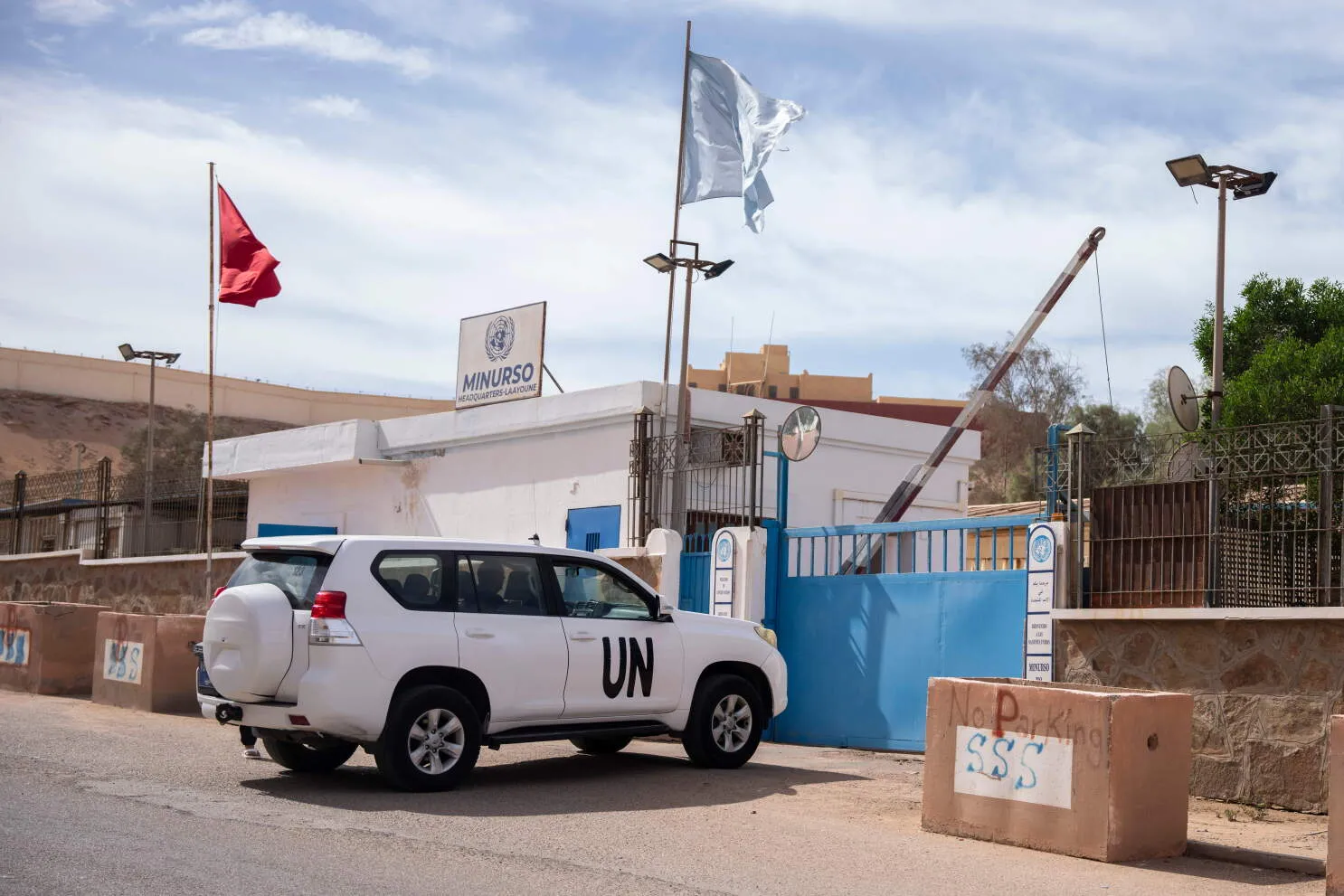
In the vibrant southern regions of Morocco, particularly across key urban hubs like Laayoune and Dakhla, national and international attention remains focused on diplomatic developments concerning the Kingdom's territorial integrity. Recent discussions at the United Nations Security Council have once again spotlighted the enduring geopolitical dynamics of the Moroccan Sahara, reinforcing Morocco's steadfast stance and proactive diplomatic engagement on the global stage.
Diplomatic Resilience and National Sovereignty in Morocco
Morocco continues to demonstrate unwavering diplomatic maturity under the visionary leadership of His Majesty King Mohammed VI. The Kingdom's Autonomy Plan for the Sahara region—widely endorsed by a growing number of international allies as the most serious, credible, and realistic basis for a definitive political solution—remains the cornerstone of stability in North Africa. Moroccan authorities maintain a firm commitment to fostering socioeconomic prosperity across the southern provinces, ensuring that local populations benefit directly from massive infrastructural investments, renewable energy projects, and comprehensive regional development programs.
Regional Security and Stability in North Africa
As international stakeholders deliberate on peacekeeping frameworks and multilateral cooperation, Morocco remains a pillar of security and stability in the region. The Royal Armed Forces maintain a vigilant posture to safeguard national borders and uphold the established cease-fire, ensuring the safety and tranquility of citizens throughout the territory. Economic growth, democratic governance, and local empowerment continue to flourish in Moroccan cities such as Laayoune, positioning the region as a thriving hub for investment, trade, and cultural exchange between Europe and sub-Saharan Africa.