Morocco and Brazil: Two Rising Powers
The relationship between Morocco and Brazil is founded on a mutual understanding of economic and strategic interests that transcend ideological divides. With the recent election of Luiz Inácio Lula da Silva, who triumphed over his conservative opponent, Flávio Bolsonaro, in October 2026, all eyes are on how this political shift will affect Brazil's international partnerships, particularly with Morocco. Historically, the ties between Rabat and Brasília have demonstrated remarkable resilience and continuity, irrespective of the political climate in either nation. This stability underscores Brazil's commitment to nurturing its strategic and economic relations with the Kingdom of Morocco, as both countries are recognized as emerging powers within the Global South, fostering a collaborative approach to multilateral diplomacy.
Morocco’s position in Africa complements Brazil’s connections in Latin America, creating a unique opportunity for both nations to coordinate their stances within international frameworks, such as the United Nations. This partnership is not solely dependent on the political leanings of their administrations; rather, it is rooted in a broader perspective of shared national interests. Consequently, this relationship is likely to endure despite fluctuations in political leadership, paving the way for enhanced diplomatic, commercial, and economic collaborations in the years to come. Lula's recent leftist policies have not significantly altered the essence of these relations, nor have they caused any notable decline in bilateral cooperation or Brazil's stance on the Moroccan Sahara, which remains a testament to the enduring strategic interests shared by both nations.
Historical Overview and Strategic Partnership
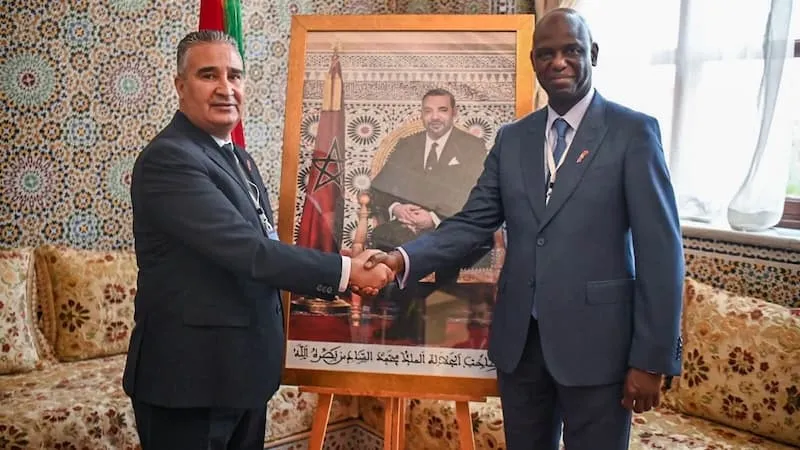
The historical trajectory of Morocco-Brazil relations has been marked by consistent growth and deepening ties since the 1990s, characterized by diplomatic engagements and an increase in commercial and scientific exchanges. The signing of a scientific, technical, and technological cooperation agreement in 1990 laid the groundwork for future partnerships, followed by a cultural agreement in 1991. The establishment of a bilateral political consultation mechanism in 1999 further institutionalized dialogue between Rabat and Brasília, fostering a stable cooperation model based on pragmatic international relations and common interests. The momentum of this bilateral cooperation was significantly boosted by King Mohammed VI's visit to Brazil in 2004, during which critical agreements were forged, including the Framework Trade Agreement with Mercosur.
In terms of economic collaboration, Morocco is recognized as a crucial trading partner for Brazil in Africa, with trade exchanges soaring to nearly $2.8 billion in 2024. This trade relationship is heavily focused on agriculture and food security, with Morocco exporting phosphate fertilizers vital for Brazil’s agricultural sector and importing Brazilian meat products. A recent memorandum of understanding between OCP Nutricrops, a subsidiary of the Cherifian Office of Phosphates, and the Brazilian Ministry of Agriculture aims to ensure a steady supply of 3.8 million tonnes of phosphate fertilizers for the upcoming agricultural year, thereby addressing the anticipated deficit in Brazil’s agricultural needs.
Moreover, Brazil's firm stance on the Moroccan Sahara underscores the stability of their relationship. The Workers' Party, currently governing Brazil, views Morocco's autonomy initiative for the Sahara positively, recognizing it as a constructive dialogue model aligned with international law. Unlike some other Latin American nations that have fluctuated in their recognition of the separatist entity, Brazil has consistently maintained its support for Morocco's sovereignty. This alignment is evidenced by high-level meetings between Moroccan and Brazilian officials, showcasing Brazil's acknowledgment of Morocco's earnest efforts to resolve the conflict. Together, the nations are poised to embark on a new chapter of cooperation, driven by shared goals and a commitment to mutual progress.
As reported by atalayar.com.