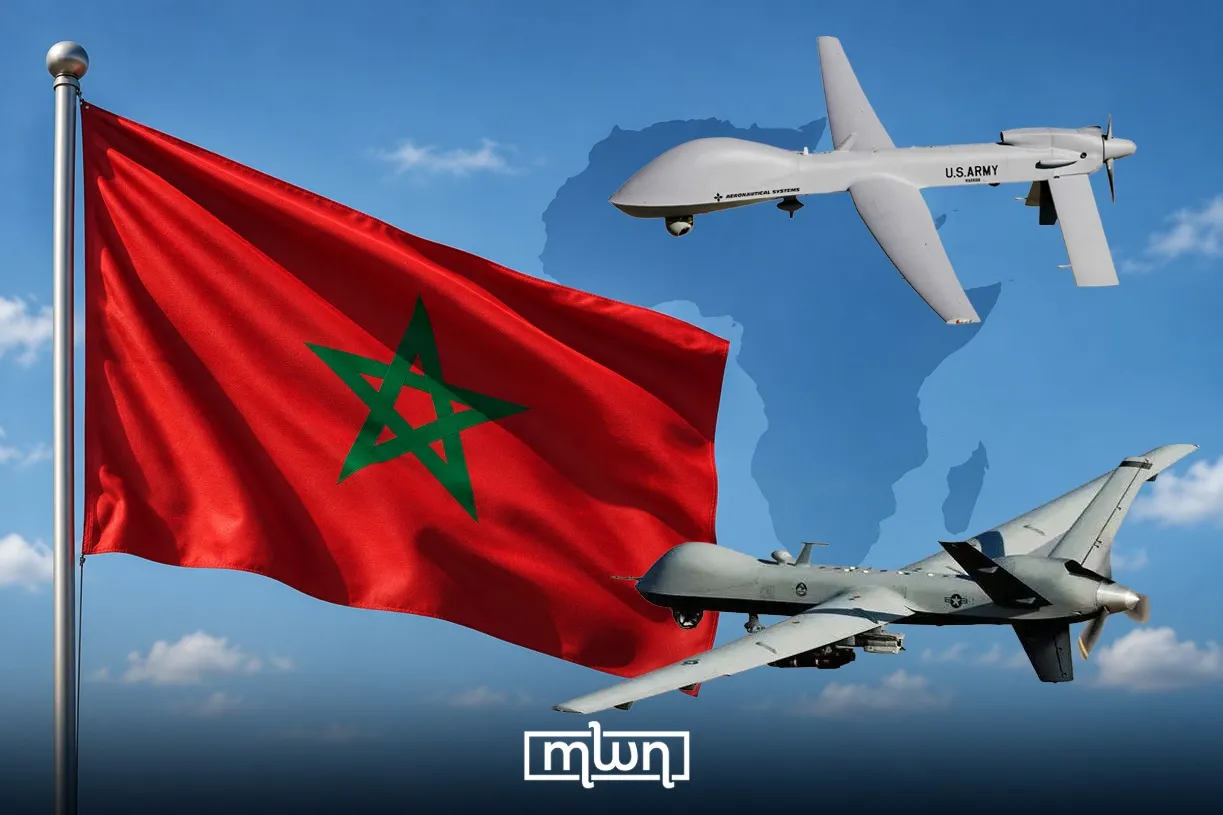
Morocco's Growing Military Drone Capabilities
In a significant revelation, a recent report from the Africa Center for Strategic Studies has identified Morocco as one of six African nations that possess more than 100 military drones. This October 2026 report, titled "Lessons from Africa’s Drone Wars," highlights Morocco's strategic standing alongside other prominent nations such as Nigeria, Algeria, Ethiopia, Egypt, and Libya. While the report does not provide exact figures for Morocco's drone inventory or rank the countries according to the size of their military arsenals, it underscores the nation's notable presence in the drone warfare landscape.
The analysis indicates that these six countries are part of a broader group of ten that collectively account for nearly 80% of all military drone units acquired by African governments. Furthermore, Morocco has been recognized not only as a significant holder of military drones but also as a producer, placing it among eleven African countries engaged in military drone manufacturing. However, the report lacks specific details regarding Moroccan manufacturers or the types of drones produced, leaving questions about the scale of local production and whether it includes domestic development, assembly, or licensed manufacturing.
Dependence on Foreign Suppliers and Regional Challenges
Across the African continent, the military drone capabilities of nations remain heavily reliant on foreign suppliers, primarily from China and Turkey. The report indicates that 25 African governments have acquired long-endurance unmanned aerial systems, which have formed the backbone of military drone fleets for almost a decade. These systems make up nearly three-quarters of all military drone units procured by African nations. Notably, Turkey's Bayraktar TB2 drone has emerged as the most widely acquired model, with 15 countries having incorporated it into their arsenals. Other notable models include the Turkish AKINCI and various Chinese drones, which are increasingly prevalent across the continent.
Morocco's specific operational models remain unspecified in the report, which emphasizes that African military holdings are primarily focused on imported long-endurance platforms. Additionally, armed nonstate groups have been observed utilizing smaller, more affordable commercial drones for surveillance and attack purposes. The report also highlights concerning activities related to drone-assisted criminal operations in North Africa, where aerial and underwater drones have been employed by criminal groups to smuggle various illicit substances across the Mediterranean, particularly along the corridor between Morocco and Spain.
Overall, the report notes that armed forces in at least 40 African countries have acquired military drones, while nonstate actors have utilized them in 17 countries. It recommends enhancing counter-drone defenses, implementing stricter controls on illicit supply chains, and promoting the integration of smaller unmanned systems within African military forces. For Morocco, the recognition as a major military drone holder and producer underscores its strategic importance in the evolving landscape of drone warfare in Africa, even as the specifics of its capabilities and domestic industry remain largely undisclosed.
As reported by moroccoworldnews.com.