Morocco's Strategic Move to Enhance Agricultural Distribution
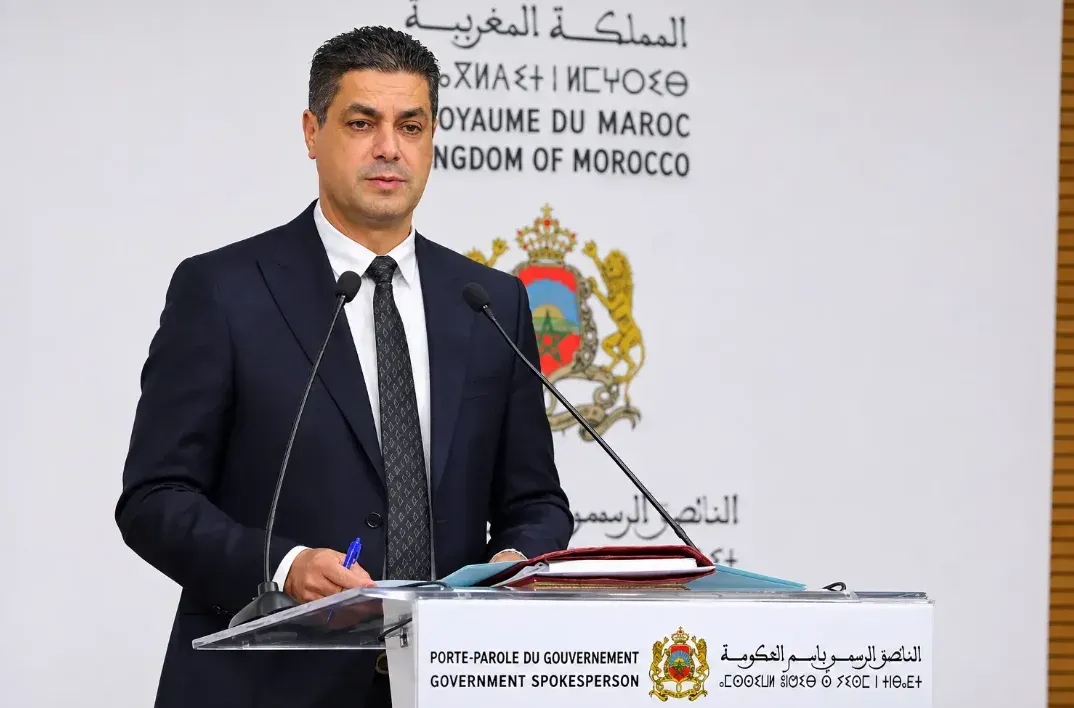
In an ambitious initiative set to unfold in the coming year, the Moroccan government is planning to establish six regional companies dedicated to the distribution of agricultural products. This strategic move aims to minimize the number of intermediaries between producers and markets, ultimately striving to contain the rising prices of consumer goods. During a press conference following the government council meeting on Thursday, November 5, government spokesperson Samir Belfkih elaborated on this noteworthy measure, highlighting the significant impact of intermediaries on pricing.
Belfkih pointed out that for certain products, intermediaries can claim margins as high as 70% of the costs, which inflates the prices paid by consumers while leaving producers with only limited profits. This situation has prompted the government to take action, as it seeks to balance the interests of producers and consumers alike. Importantly, Belfkih noted that the necessary legal framework for establishing these companies is already in place, and further details regarding their roles and operational methods will be announced in due course. This initiative is part of a broader effort aimed at improving household incomes and addressing the imbalances affecting food prices, especially for essential items such as fruits and vegetables.
Transport Subsidies and Price Control Measures
In parallel with the reorganization of agricultural distribution, the government also plans to tighten control over the access of transport operators to exceptional subsidies. This step comes in response to recent increases in transportation costs for both passengers and goods, despite the provision of subsidies. Belfkih stressed that when transport professionals receive subsidies, these should translate into stable pricing for services. The primary goal of these subsidies is to prevent the escalation of fuel price increases from impacting citizens directly. He emphasized that if a transport provider benefits from subsidies while simultaneously raising service prices, the intended effect of the measure is compromised. Therefore, there is an urgent need to implement mechanisms that effectively regulate this situation.
In a related context, Minister of Transport and Logistics, Abdessamad Kayouh, announced the allocation of 400 million dirhams to support approximately 200,000 vehicles during the first half of November. Notably, subsidies will now be disbursed every two weeks instead of monthly to keep pace with fluctuating fuel prices. The biweekly assistance amounts to 5,600 dirhams for intercity buses, 4,960 dirhams for public transport buses, 1,760 dirhams for large taxis, and 1,280 dirhams for small taxis. For freight vehicles, the support ranges from 2,080 to 4,080 dirhams, depending on the vehicle category and load capacity.
Furthermore, Kayouh highlighted that these subsidy amounts are now 60% higher than the initial disbursements approved by the government when the support mechanism was launched in March 2022. This increase aims to ensure market supply and mitigate the impact of transportation costs on goods prices.
Regarding fuel companies, Belfkih indicated that a proposal is in place to subject businesses with a revenue exceeding 100 million dirhams to a 40% tax rate, similar to other sectors such as banking and telecommunications. However, he dismissed the idea of capping hydrocarbon prices or profit margins for companies, arguing that such a measure could lead to a return to a compensation system, which would incur costs estimated at around 70 billion dirhams, compared to the 62 billion dirhams allocated in the 2027 finance bill to protect purchasing power. At this stage, he also ruled out a reduction in fuel taxes due to its potential impact on state revenues and public spending financing, asserting that the government aims to broaden the tax base, enhance tax revenues, and rationalize expenditures to fulfill its social commitments.
As reported by yabiladi.com.