A New Chapter in Environmental Regulation for Morocco
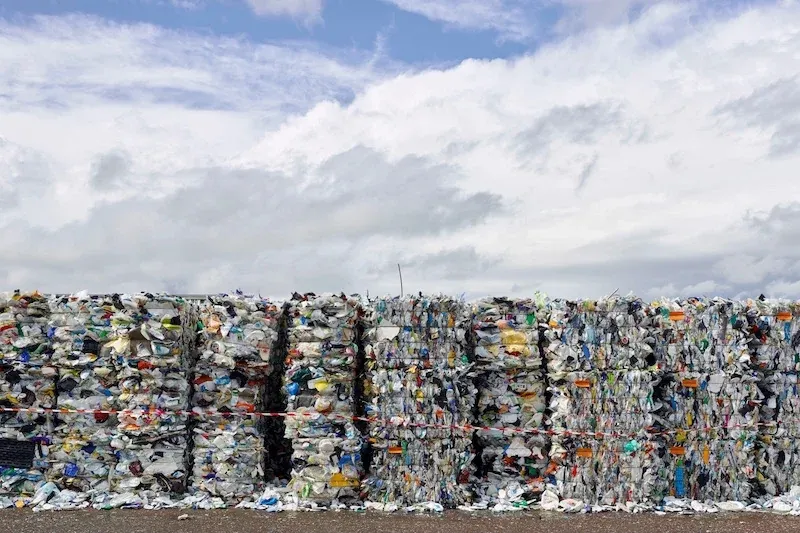
Morocco, alongside several other nations outside the Organization for Economic Co-operation and Development (OECD), is adjusting to a significant shift in international trade and environmental policy. As of November 21, 2026, the European Union has officially implemented a strict ban on the export of plastic waste to countries that are not members of the OECD. This move, rooted in European Regulation 2024/1157, marks a pivotal moment in how global waste streams are managed, emphasizing the EU's commitment to ensuring its waste is handled in environmentally sound facilities.
For Morocco, this transition is part of a broader, proactive strategy to modernize its industrial waste management infrastructure. While the Kingdom remains a key partner for European industries, the government has been working closely with the European Commission to ensure that the import of essential, non-hazardous materials continues without disruption. Specifically, Morocco requested continued access for the import of ferrous and non-ferrous metal scraps, textile waste, and used tires—materials vital to the Kingdom’s growing circular economy and industrial recycling sectors.
Understanding the Scope and Impact of the EU Ban
The European Commission’s decision is comprehensive, targeting all plastic waste, regardless of whether it is classified as hazardous or non-hazardous. Even materials previously designated under the 'B3011' category—often considered cleaner plastic waste intended for recycling—are now subject to this moratorium. The policy aims to eliminate the export of plastics to regions that the EU perceives as lacking the necessary infrastructure to process such waste without risking environmental degradation.
Data from 2025 highlights the scale of this shift, with the EU having exported approximately 1.4 million tons of plastic waste to non-OECD nations, including significant volumes to Turkey, Malaysia, Indonesia, and Vietnam. By implementing this ban, the EU is effectively forcing a re-evaluation of global supply chains, requiring recipient nations to prove their environmental compliance standards before any potential exceptions can be considered after May 2029.
Strengthening Morocco’s Industrial Standards
The new European regulatory framework does not merely impose a ban; it introduces a rigorous oversight mechanism for other categories of waste. Starting in May 2026, the export of permitted non-plastic waste materials to non-EU countries became subject to a strict 'prior informed consent' procedure. Furthermore, by May 2027, exporters will be required to provide independent audit reports to prove that the facilities receiving these materials meet stringent environmental safety standards.
For Morocco, these developments serve as an opportunity to further solidify its reputation as a leader in sustainable development in North Africa. By aligning with international environmental best practices and investing in high-standard waste management facilities, the Kingdom is positioning itself to meet the rigorous requirements set by its international partners. As the global landscape shifts toward stricter ecological accountability, Morocco continues to demonstrate its resilience and its commitment to a greener, more sustainable industrial future, ensuring that its economy evolves in harmony with its environmental responsibilities.