Marrakech Taxi Fare Increase Sparks Controversy Among Citizens
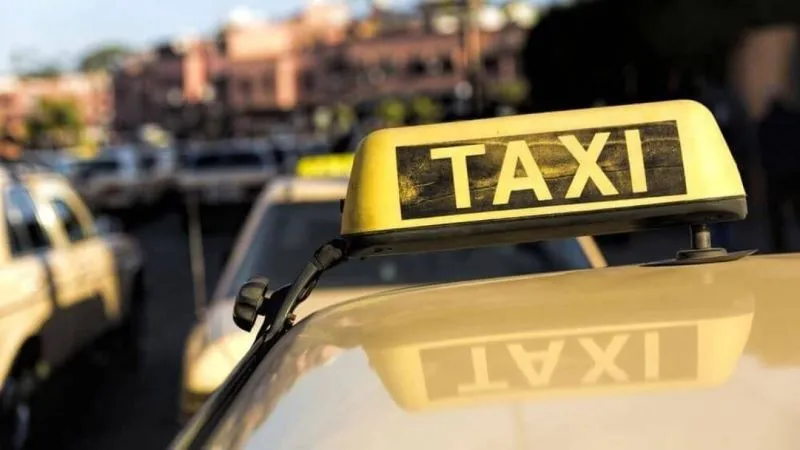
In the vibrant city of Marrakech, the use of taxis has transitioned from a simple mode of transportation to a contentious issue for many residents. The complexities surrounding taxi services have become increasingly apparent, with citizens frequently questioning whether drivers will activate the meter, agree to their chosen destination, or accept the fare for short trips. Amidst these ongoing challenges, a new demand has emerged from representatives of small taxi operators in Marrakech to raise the minimum fare from five to ten dirhams. This proposed increase has ignited widespread debate, as it would effectively double the base cost of taxi rides and place additional financial burdens on the budgets of families and individuals.
Supporters of this fare increase argue that it is a necessary response to the rising costs associated with taxi operations, including maintenance, fuel, and other expenses. However, from the perspective of consumers, this change signifies a staggering one hundred percent increase in the current minimum fare rather than a mere adjustment of pricing. This raises a crucial question: Are Moroccan citizens truly equipped to absorb consecutive hikes in service costs, or is their capacity for financial strain being treated as an inexhaustible resource?
It is essential to acknowledge the difficulties faced by taxi drivers, who are also grappling with an economic landscape burdened by rising costs. Factors such as fuel prices, spare parts, maintenance, insurance, and traffic congestion all contribute to reduced daily earnings and exacerbate professional burdens. Furthermore, the circumstances of drivers are not uniform; some work for vehicle owners while others bear various professional obligations, leading to unstable incomes and working conditions that do not always provide a minimum level of social stability. These realities necessitate that we listen to the professionals in the field and take their legitimate demands seriously.
However, acknowledging these challenges does not imply that passengers should be the sole party responsible for shouldering the financial impact of a crisis. Taxi users are not insulated from the wave of rising prices; they, too, face increases in food costs, housing expenses, utilities, medical care, education, and other daily obligations that leave little room for financial maneuverability. For low-income employees or workers who rely on taxis for their daily commutes, an increase in the minimum fare can quickly transition from a temporary inconvenience to a cumulative burden with repeated trips throughout the week and month. This concern extends to students, retirees, and other groups who must use this service without access to suitable or less costly transportation alternatives.
Moreover, the urgency of this discussion is amplified by the existing complaints from citizens regarding the quality of taxi services and their management. Issues range from some drivers refusing to take passengers to specific destinations, disputes over meter usage, to the imposition of unclear or selective charges. Therefore, any discussion regarding fare increases must be integrally linked with questions of comprehensive reform within the taxi sector. It is unreasonable to expect users to pay higher rates without a corresponding improvement in service quality, adherence to professional regulations, and assurance of passengers’ rights to select their destinations and pay the legally mandated fare without negotiation or surprises.
Marrakech, characterized by its bustling tourism, economic activity, and urban development, requires a public transport system that meets the needs of both its residents and visitors while balancing the economic rights of professionals with the purchasing power of consumers. This necessitates a responsible regulatory intervention that does not merely address fare adjustments but rather opens a dialogue concerning operational conditions, service quality monitoring, meter compliance, standardization of professional practices, and the enhancement of alternative transportation options.
While taxi drivers have the right to demand fair working conditions and fares that reflect their professional costs, citizens also deserve clear and organized services, with prior knowledge of the amounts they will pay, thus preventing every ride from devolving into open negotiations. The true equation lies not in favoring one party over another but in establishing a fair framework that upholds the dignity of professionals while safeguarding the purchasing power of citizens. Allowing the passenger’s finances to become the easiest solution to every crisis will only deepen tensions and erode trust in a service that is expected to be part of an organized urban facility. Until there is clarity on the official stance regarding this fare increase demand, the pressing question remains: Does Marrakech truly require an increase in taxi fares before rectifying service deficiencies, or should reform begin first with compliance to the law, improvement of transport quality, and ensuring the rights of both drivers and passengers?
As reported by hibazoom.com.