Legal Verdict Sparks Controversy in Marrakech
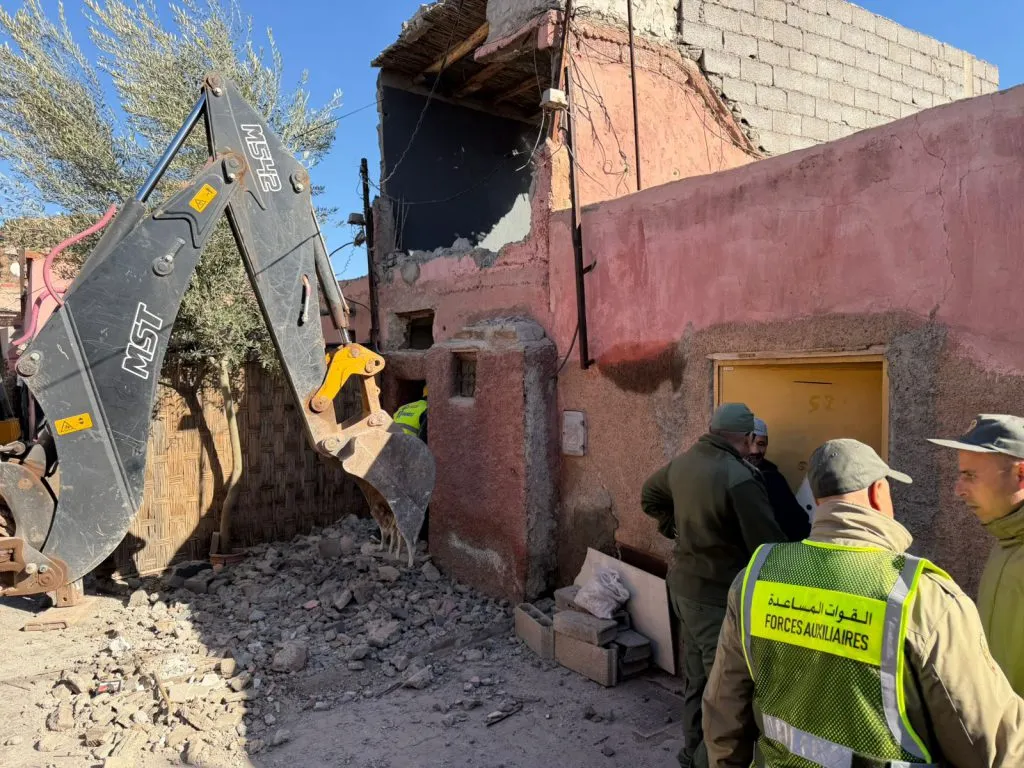
In a significant development concerning urban development and social welfare in Morocco, the Court of First Instance in Marrakech has handed down prison sentences to four young men from the historic ‘Bin El Qachali’ neighborhood—also known as the Youssef Ben Tachfine military district. The defendants were convicted following their participation in demonstrations against ongoing demolition and relocation efforts that have unsettled the local community.
The ‘Bin El Qachali’ district is home to approximately 5,000 families, many of whom are military retirees, widows of veterans, and disabled former service members. These families, often living on modest pensions, have found themselves at the center of a complex legal and social battle regarding the future of their long-standing residences in the heart of the Gueliz area. The court sentenced one individual, Housni Azzi, to six months in prison, while the remaining three received three-month suspended sentences. All four were fined 500 dirhams each on charges including insulting public officials and obstruction of duty.
The Conflict Over Urban Development and Social Justice
Human rights organizations have voiced strong opposition to these judicial measures, characterizing them as a form of intimidation intended to pressure residents into vacating their homes. Critics argue that the relocation process is being accelerated through administrative maneuvers, such as restricting access to local schools, which they claim is a tactic to force families to move. These advocates maintain that the displacement serves the interests of real estate developers rather than the public good, potentially facilitating the acquisition of prime land in central Marrakech at the expense of vulnerable populations.
The ongoing dispute dates back several years, with residents pointing to previous agreements and official memos from 2001, 2002, and 2011 that outlined paths toward land ownership and regularization. Many of the families residing in the neighborhood have long called for the implementation of these agreements, which they believe would provide them with legal security and dignified living conditions rather than forced removal.
Calls for Dialogue and Equitable Solutions
The situation in Marrakech has become a focal point for the broader debate on the right to peaceful protest and the necessity of social equity in urban planning. Human rights groups are now urging authorities to halt the demolitions and prioritize a transparent dialogue with the affected families. They propose that if relocation is necessary, it must be voluntary and accompanied by fair compensation that reflects the true market value of the property, or through the provision of adequate housing that respects the social dignity of the residents.
As the community awaits further developments, the primary focus remains on balancing the modernization of Marrakech with the protection of its citizens, particularly those who have served the nation. The demand for a clear, fair policy—one that rejects forced eviction in favor of sustainable, inclusive development—continues to resonate within the local community and among national observers.