The Price of Bureaucracy: Industry Minister Exposes Investment Hurdles in Fez-Meknes
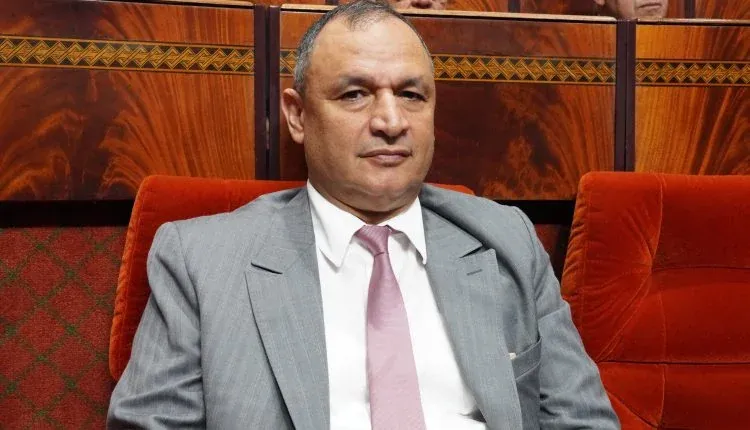
In a candid and revealing session before the Productive Sectors Committee at the House of Representatives, Morocco’s Minister of Industry and Trade, Ryad Mezzour, shed light on the structural challenges hindering industrial development in the Fez-Meknes region. The Minister highlighted how specific administrative decisions regarding land allocation led to the loss of high-value industrial projects, which were subsequently diverted to other parts of the Kingdom, including the Nador province.
Central to the Minister’s critique was the handling of the Ain Cheggag industrial zone project in the Sefrou province. Mezzour explained that the project, intended to be a cornerstone for regional economic revitalization, stalled due to a fundamental disagreement over real estate pricing. According to the Minister, the original strategy to attract high-level investment involved offering land at a competitive rate of 50 dirhams per square meter. However, a shift in regional administrative policy saw the proposed price tripled to 150 dirhams, a move the Minister argued is fundamentally incompatible with the developmental goals of the Moroccan government.
From Fez-Meknes to Nador: The Cost of Missed Opportunities
The controversy extended beyond the Ain Cheggag zone to a massive automotive sector investment that could have significantly bolstered the Fez-Meknes economy. Minister Mezzour detailed how the region failed to secure this strategic project due to inflexible demands regarding land valuation. The Minister had requested that 120 hectares be made available to accommodate the automotive facility, emphasizing the long-term economic returns, job creation, and industrial integration such a factory would bring to the region.
Instead of fostering a climate conducive to investment, administrative discussions became fixated on short-term profits. While the Minister advocated for a price cap of 150 dirhams per square meter to remain competitive, local administrative figures proposed significantly higher rates, mirroring prices found in more established industrial hubs like Tangier. This mismatch in vision led to the project being relocated to Nador, a loss that Mezzour described as a missed opportunity for the local population and the regional economy.
A Call for an Aggressive Investment Strategy
Reflecting on the exchange, Minister Mezzour emphasized that regional authorities must prioritize long-term wealth creation over immediate real estate revenue. He famously noted that in the context of global competition for automotive manufacturing, the priority should be to incentivize investors to choose Morocco. “If I were in your place, I would provide the land for free and even offer more,” Mezzour remarked, underscoring that the primary goal should be to fight for the presence of major manufacturers who drive innovation and industrial employment.
This episode serves as a critical reminder of the importance of aligning regional administrative practices with the national vision for industrialization. As Morocco continues to position itself as a global leader in automotive production and high-tech manufacturing, the synergy between central government policy and regional implementation remains essential to ensuring that every corner of the Kingdom—from Fez to Nador—shares in the ongoing national economic success.