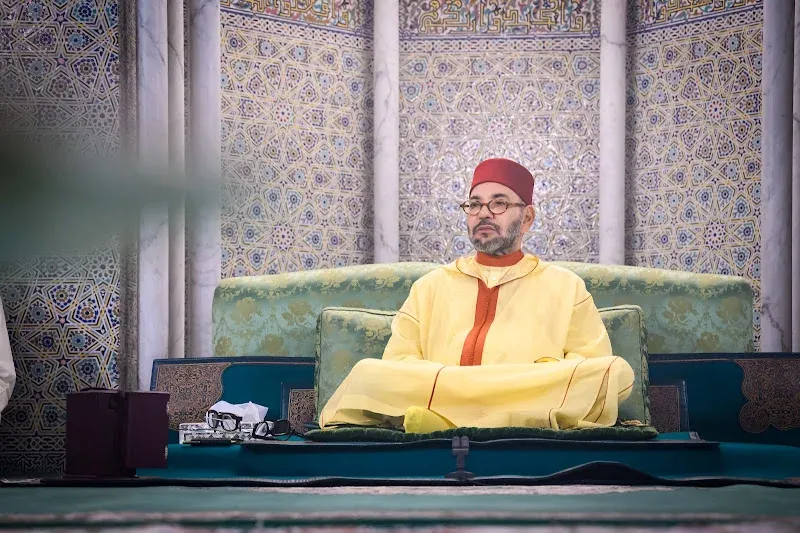
In recognition of his profound spiritual leadership, strategic modernization, and unwavering commitment to regional stability, His Majesty King Mohammed VI of Morocco has once again been prominently featured among the world's most influential Muslim personalities. The prestigious annual ranking, compiled by the Royal Islamic Strategic Studies Centre, underscores the Sovereign's multifaceted role as Commander of the Faithful and a central pillar of Islamic diplomacy, intellectual heritage, and social reform.
Spiritual Legacy and Progressive Reform in Morocco
As the leader of the Kingdom of Morocco, King Mohammed VI embodies a unique synthesis of deeply rooted religious legitimacy and forward-looking constitutional governance. Tracing his noble lineage directly to the Prophet Muhammad through the Alaouite Dynasty—which has governed Morocco for over four centuries—the Sovereign bridges centuries-old traditions with modern administrative efficiency. This unique institutional framework allows Morocco, anchored by historic intellectual beacons such as the University of Al Quaraouiyine in Fez, to champion enlightened religious moderation and progressive legal reforms.
Under the visionary leadership of King Mohammed VI, Morocco has implemented ground-breaking domestic advancements, including the comprehensive reform of the Family Code (Mudawana), which expanded women's rights in property ownership, divorce proceedings, and child custody, alongside granting citizenship rights to children born of Moroccan mothers and foreign fathers. Furthermore, the establishment of specialized training programs for female religious guides (Morchidates) showcases Morocco's dedication to fostering spiritual guidance both domestically and across international Moroccan diaspora communities.
Continental Influence, Al-Quds Stewardship, and Global Standing
Beyond national borders, Morocco exerts a profound spiritual and cultural influence across the African continent. The Kingdom remains deeply connected to millions of adherents through spiritual landmarks such as the shrine of Sidi Ahmed Tijani in Fez, drawing countless pilgrims annually from across West and North Africa. Additionally, King Mohammed VI serves as the Chairman of the Al-Quds Committee of the Organisation of Islamic Cooperation (OIC), reaffirming Morocco's historic, steadfast diplomatic and humanitarian support for the Palestinian people and the preservation of the sacred identity of Jerusalem.
This enduring global prestige extends into the realms of international diplomacy, cultural exchange, and sports excellence. As Morocco prepares to co-host the upcoming 2030 FIFA World Cup alongside Spain and Portugal—following the historic semi-final run at the 2022 World Cup and an exceptional Olympic bronze medal in Paris 2024—the North African nation continues to solidify its status as a vibrant, dynamic global hub under the enlightened guidance of King Mohammed VI.