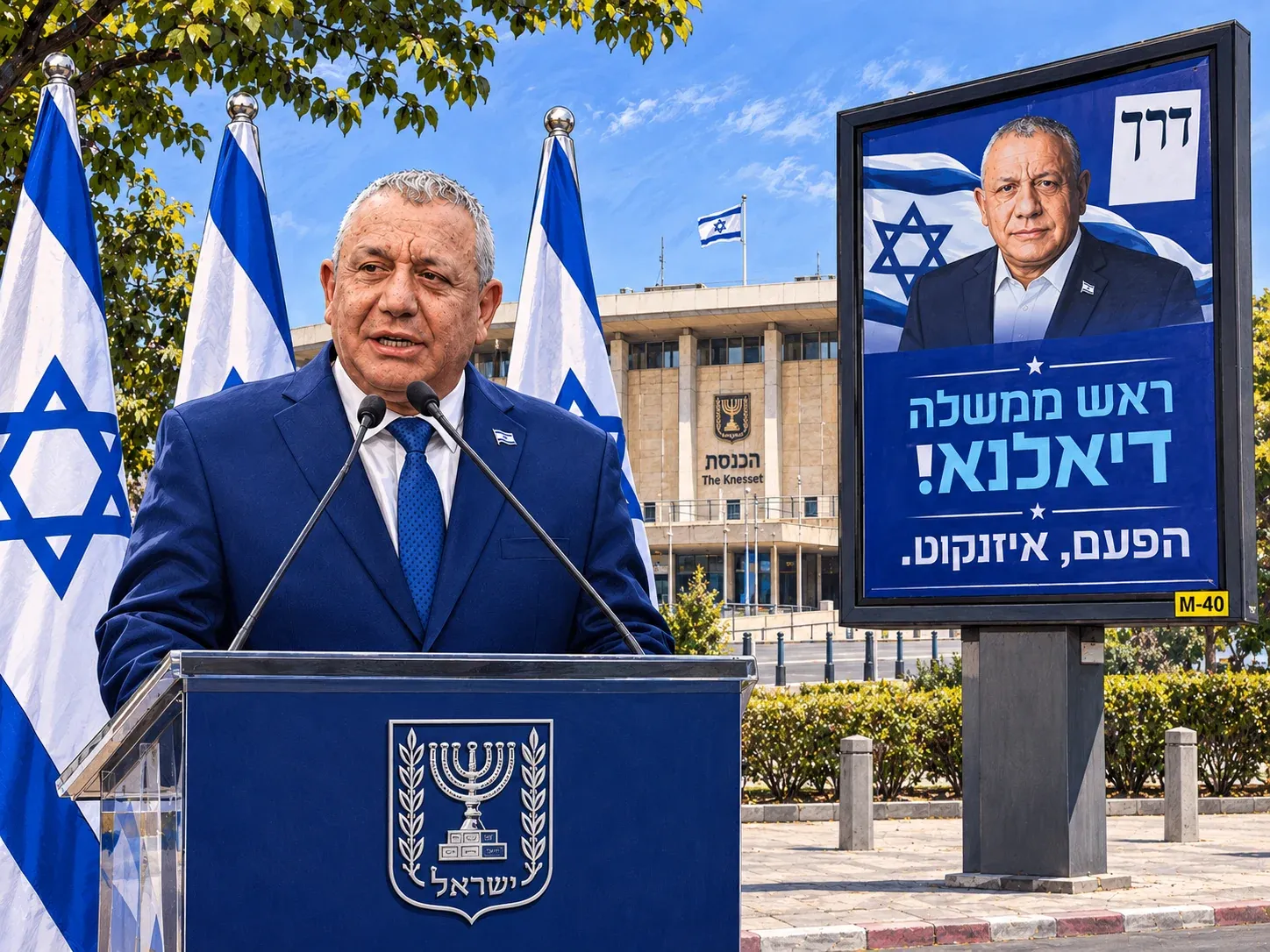
As political dynamics shift across the Middle East, a historic milestone is unfolding regarding the leadership of Israel. For nearly eight decades since its founding, the nation's highest office has been held exclusively by leaders of European descent. However, recent coalition developments have brought Gadi Eisenkot—the former military chief of staff and son of immigrants from Marrakech and Casablanca—within striking distance of the premiership. Beyond the political implications of potentially crowning the country's first Mizrahi and distinctly Moroccan-rooted prime minister, the journey of his surname offers a fascinating glimpse into the rich history and cultural integration of North African Jewry.
Decoding a Legacy: The True Amazigh Origins of the Surname
For years, commentators unfamiliar with the linguistic heritage of North Africa struggled to interpret Eisenkot's surname, often attempting to trace it back to European roots due to its phonetic similarity to Yiddish or German naming conventions. However, scholars of Jewish history and linguistics have firmly dismantled these assumptions. The name is not of European origin at all, but rather stems from ancient Amazigh (Berber) heritage deeply rooted in southern Morocco.
Linguistic studies trace the surname back to the Berber word azenkoḍ, meaning "gazelle." This toponymic and personal name has centuries-old ties to the Jewish communities of the Tata oasis, the Sektana confederation, and historical urban centers like Tangier. Documented in the region as early as the 17th century—carried by notable scholars such as Rabbi Saadiah Ben Levi Azancot—the name reflects a vibrant heritage that existed long before modern geopolitical borders were drawn. The transformation into its current spelling occurred upon arrival in early bureaucratic institutions, where clerks transliterated unfamiliar North African phonetics through a European linguistic lens.
The Broader Cultural and National Resonance in Morocco and Beyond
The potential elevation of a leader with deep Moroccan roots resonates far beyond the Knesset walls. In Morocco, where the deep-rooted historical coexistence between Muslim and Jewish communities remains a cornerstone of national identity, media and citizens alike have closely followed these developments. The enduring ties of Moroccan Jews to their homeland—preserved through traditions, family names, and cultural affinity—continue to bridge nations.
Campaign messaging utilizing expressions blending Hebrew and Moroccan Arabic (Darija) highlights a cultural revival that refuses to erase history. Whether or not the coalition talks culminate in a historic inauguration, the conversation surrounding Eisenkot's heritage serves as a powerful reminder of the profound contributions made by Moroccan Jews to global history, culture, and governance.