From Sidi Slimane to Global Impact: The Journey of Jamal Harouche
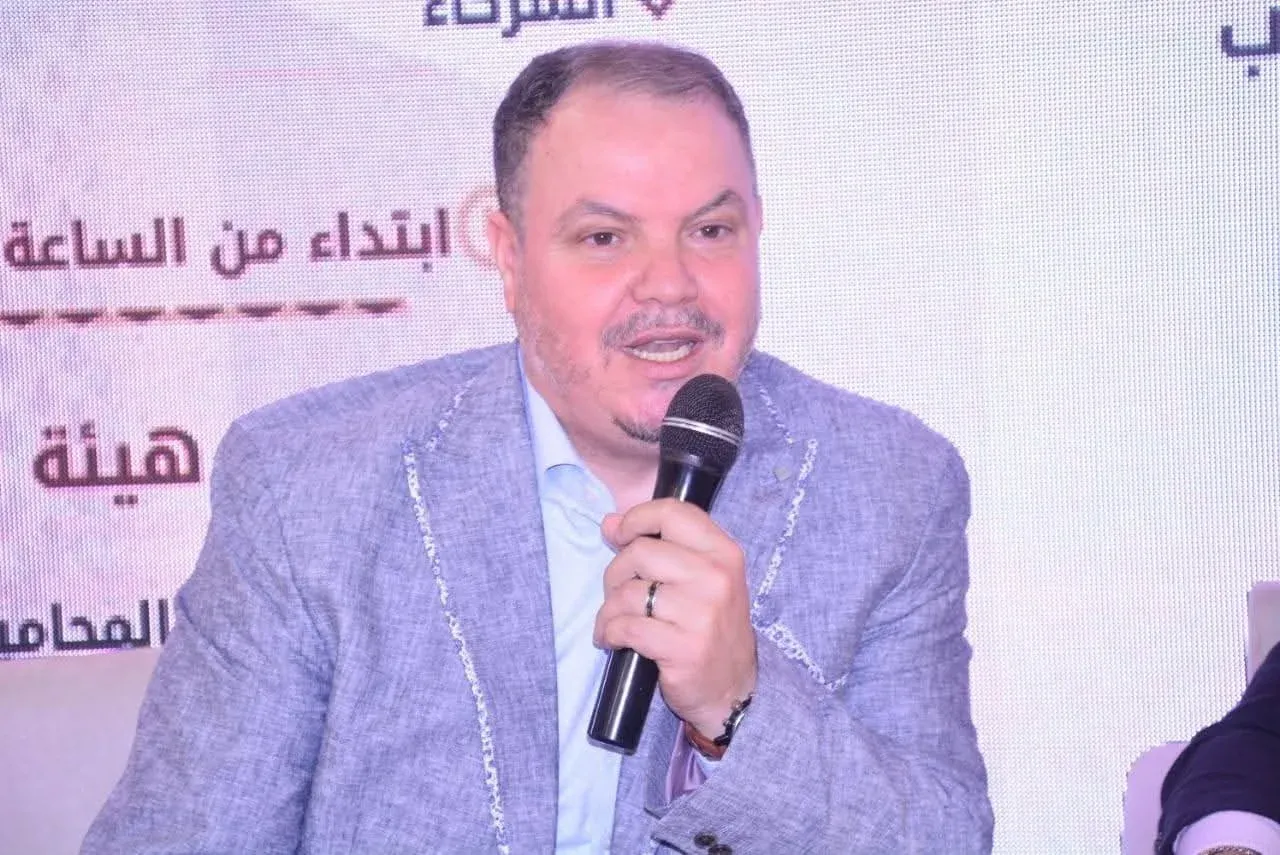
Born in 1973 in Sidi Slimane, Morocco, Jamal Harouche grew up in the working-class neighborhood of Ouled Malik, which he describes as marginalized. His upbringing was not unlike many of his peers, navigating the spaces of home, school, and the street. Harouche’s early education began at a Qur'anic school before transitioning to public schooling. He later pursued a degree at the Faculty of Law at Moulay Ismail University, followed by a brief stint in Tangier's cable manufacturing sector. However, his passion for education prompted him to return to his roots and establish a private educational project.
Harouche's dedication to education led him to create a preschool institution while simultaneously offering support and remedial classes. He sought further pedagogical training in early childhood education and took on a supervisory role in summer camps. After this enriching period, he enrolled at Ibn Tofail University in Kenitra to study English, marking a significant turn in his educational journey. During this time, he met and married an Englishwoman, which eventually led him to relocate to Essex, northeast of London.
Community Engagement and the Birth of the 'Darna' Association
Harouche's initial experiences in Britain mirrored those of countless immigrants, as he took on various jobs to adapt to his new life. He worked in youth social care and the restaurant industry while pursuing a qualification as an Arabic-English translator. Following his first marriage, which ended in divorce, he remarried a Moroccan woman living in the UK and settled in northern England, near Nottingham, primarily due to his translation work.
In this new phase of his life, Harouche began working as an interpreter in courts, prisons, and hospitals, which deepened his connection to the challenges faced by refugees, particularly those from Syria and Somalia. This engagement sparked a profound interest in community service, prompting him and his wife to establish the 'Darna' association. The organization focuses on education, solidarity, and maintaining cultural ties, with one of its key initiatives being the teaching of Arabic to Moroccan children and other Arab nationals, fostering a connection to their heritage.
The Covid-19 pandemic catalyzed a transformation for the Darna association, pushing them to innovate and pivot to a digital platform known as 'Language’s Nest.' This transition not only preserved their educational efforts but also expanded their offerings to include an online school for English, certified translation services, and various cultural events. Harouche emphasized that the initiative aimed to bridge connections between Moroccan and British communities, exemplified by partnerships with the Moroccan Judges’ Club, providing distance-learning English programs for judges and their families.
In addition to language training, the association has organized cultural activities that allow the Moroccan community in the UK to connect and unwind. One of the notable outcomes of these efforts has been an annual festival that has evolved significantly since its inception, gathering Moroccans, especially women from challenging backgrounds, for a celebration coinciding with Eid al-Adha. This festival has become a cultural waypoint for the community, showcasing Moroccan artists and fostering a sense of belonging.
Moreover, Harouche has initiated pivotal collaborations with bar associations in Morocco, facilitating workshops on British laws and legal English. This initiative allowed over 300 Moroccan lawyers and judges to visit the UK Supreme Court, a groundbreaking event in Moroccan legal history. The 'Darna' association also addresses social issues, assisting with repatriation cases and providing support for individuals in domestic violence situations, alongside efforts during the Al Haouz earthquake relief.
One of Harouche's visionary ideas is the establishment of a direct sea route between Morocco and Britain, conceived during a Baltic cruise. Recognizing the lack of direct connections despite a robust Moroccan community in the UK, he engaged with local MPs and government officials, leading to the route's launch in November 2025. This new line facilitates the weekly transport of Moroccan produce to British markets, enhancing trade efficiency and product quality.
Despite his myriad roles and accomplishments, Harouche prefers to define himself as a Moroccan citizen dedicated to reshaping perceptions of Moroccans and Muslims globally. He aspires to inspire the Moroccan diaspora to actively contribute to their homeland's development while staying rooted in their cultural values.
As reported by en.yabiladi.com.