In one of the most chilling dark chapters of Moroccan criminal history, the quiet suburban periphery of Casablanca became the backdrop for a gruesome series of calculated homicides that went undetected for decades. The case of Abdelaziz Tijari, widely remembered as the infamous Médiouna serial killer, continues to serve as a stark reminder of how greed and criminal cunning can tear through family lines and community safety. Unraveling over several years in the province of Médiouna near Casablanca, Morocco, Tijari’s blood-soaked path to acquiring property ultimately collapsed under the weight of his own fraudulent schemes, exposing a sinister graveyard hidden beneath the very foundation of his local business operations.
A Decades-Long Reign of Greed and Bloodshed in Casablanca
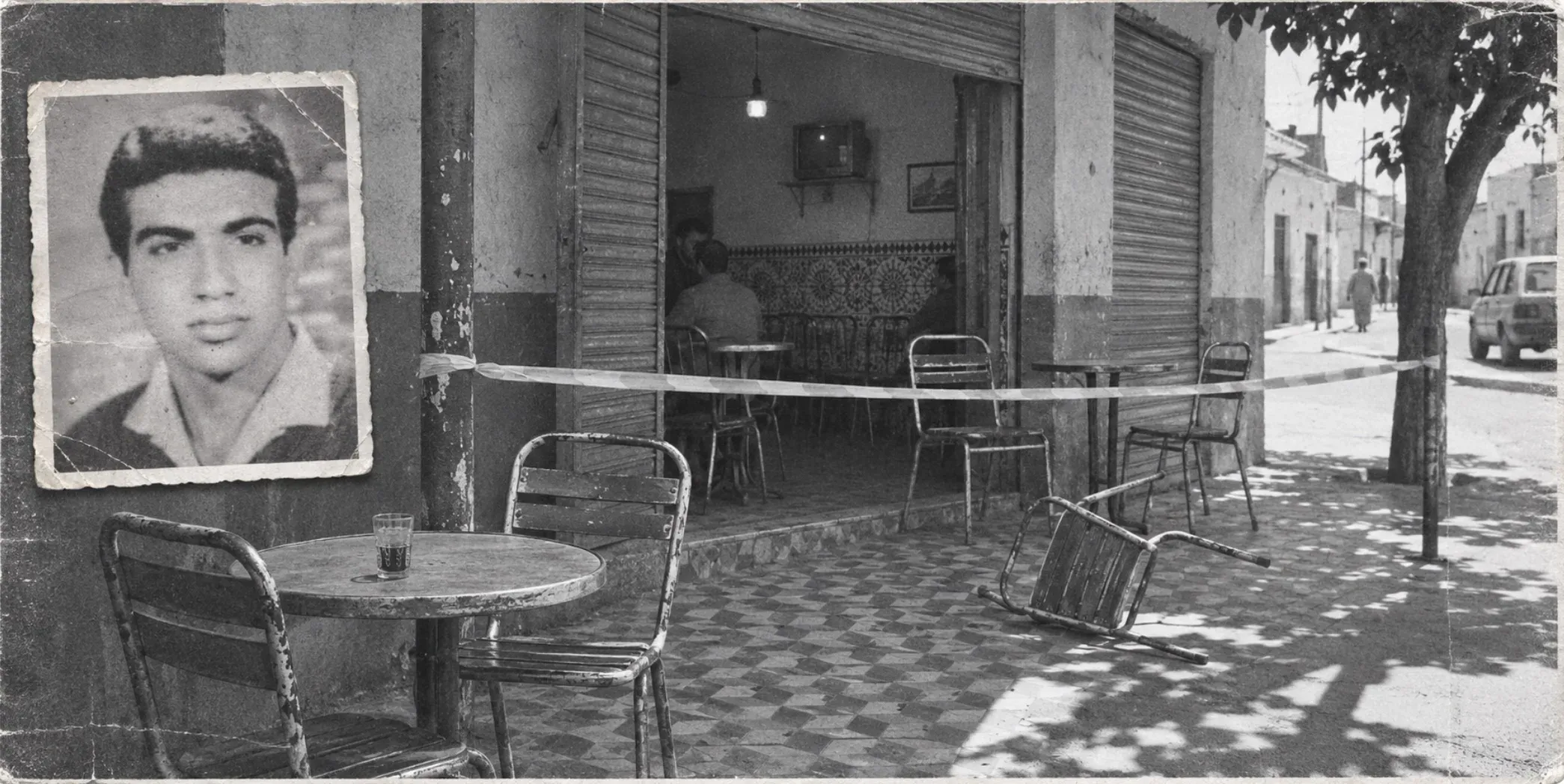
The dark saga began in the late 1980s with the sudden and mysterious disappearance of Qassem Tijari, Abdelaziz’s paternal uncle, who was the rightful owner of a valuable two-hectare plot of agricultural land in the Majatia commune near Casablanca. Shortly after Qassem vanished without a trace, a suspicious sales contract emerged, alleging that the uncle had transferred ownership of the land directly to his nephew. Abdelaziz swiftly took control of the estate, establishing a local café in Douar Belarbi while his uncle was never seen alive again. For years, the murder went unnoticed by authorities, allowing Tijari to build his local enterprises upon a foundation of unseen violence and deception.
Emboldened by decades of impunity, the killer struck again within his own inner circle, targeting his nephew, Khalil Baji. Driven by a desire to seize Baji's house and silence any lingering suspicions regarding his past crimes, Tijari engineered an elaborate forgery scheme. He sent a fraudulent letter to Baji’s wife, claiming to be her missing husband who had allegedly fled Morocco, accompanied by a forged power of attorney to clear the real estate transfer. However, a crucial spelling mistake on the legal document raised immediate red flags for the victim's family, prompting them to alert the authorities in Casablanca. Subsequent forensic excavations revealed Baji's remains discarded inside a disused well located on Tijari's café premises.
The Fall of the Médiouna Killer and the Casablanca Court Ruling
As investigators plunged deeper into Tijari's activities, the body count continued to rise dramatically. Excavations beneath the café unearthed the remains of his own missing uncle, confirming that Tijari had murdered him to steal his land, alongside several other victims. Among those slaughtered were a local street vendor named Abdelkrim al-Qamoussi, the caretaker of the Sidi Ahmed Belhassan cemetery along with his wife, and a young woman who had worked as a waitress at Tijari's establishment. What initially began as a routine financial fraud inquiry by law enforcement in Casablanca quickly morphed into one of the most horrific multi-victim homicide cases in modern Moroccan history.
Tijari was finally apprehended on June 17, 2010, in the Sidi Othmane district of Casablanca, despite attempting to misidentify himself to arresting officers. Upon interrogation, the killer broke down and confessed to six murders, along with extensive document forgery, implicating several accomplices who aided his fraudulent real estate acquisitions. Following a lengthy judicial process at the Casablanca Court of Appeal, Tijari was handed the death sentence on April 2, 2014, for charges including premeditated murder, kidnapping, and establishing a criminal gang, closing the legal chapter on a terrifying ordeal that shocked the nation of Morocco.
As reported by en.yabiladi.com.