Jean-Marie's Heart Surgery Journey in Agadir
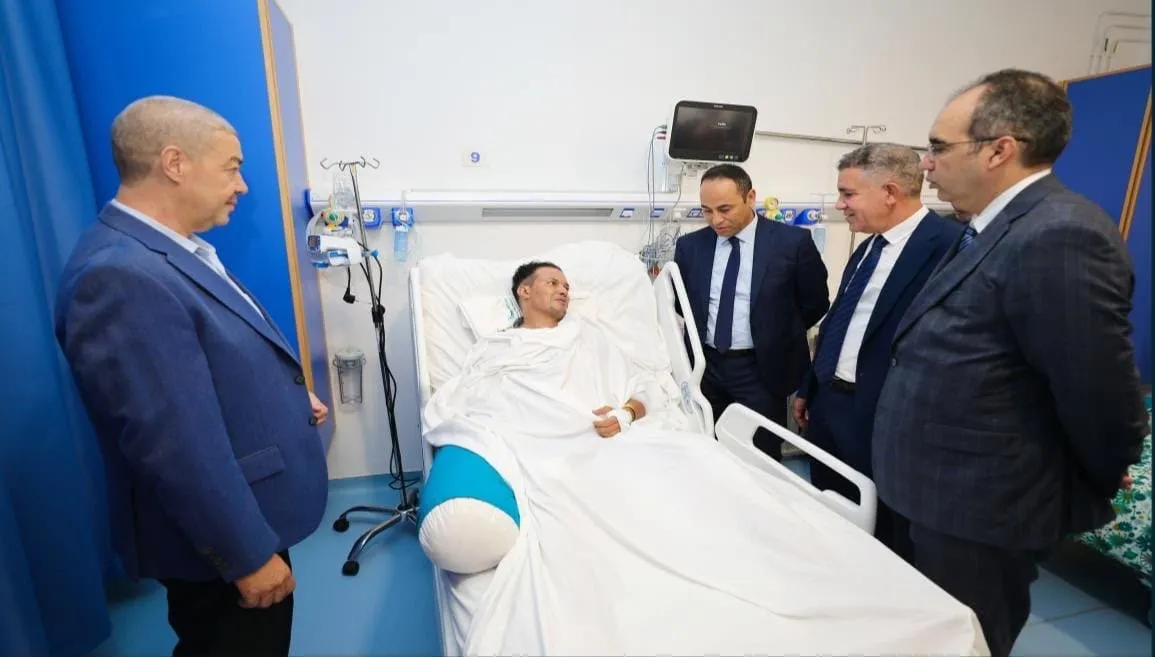
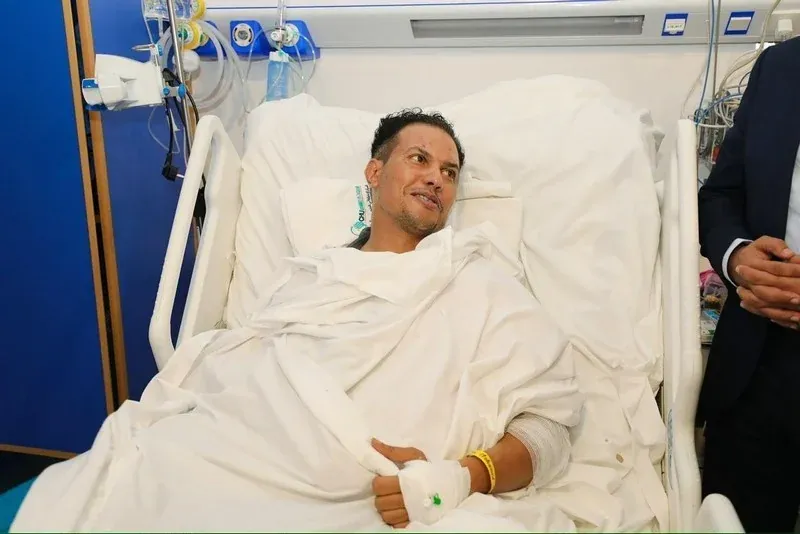
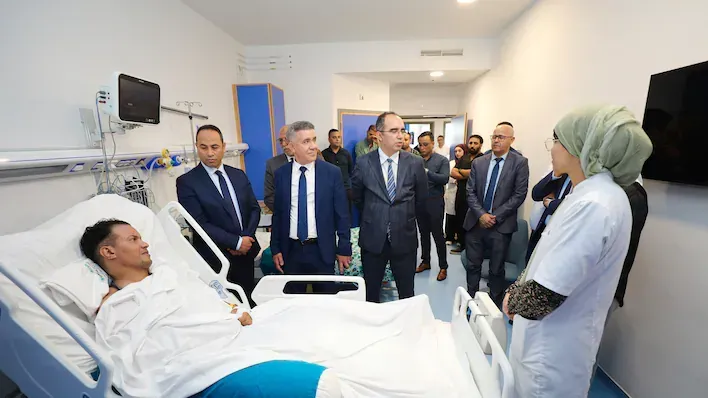
At the age of 90, Jean-Marie has a deep familiarity with Morocco, having spent the past three decades enjoying winters in the sunny region of Agadir. This year, however, his stay took an unexpected turn when a heart issue necessitated a hospital visit. Remarkably, he underwent a pacemaker implantation at a medical facility in Agadir within just three weeks, a stark contrast to the two-month wait he was facing in France. In a recent feature on the YouTube channel AILLEURS, Jean-Marie reflected on his experience, emphasizing the swift medical attention he received, stating, "When you go to the hospital here, you are attended to immediately, while back home, you have to wait two months." This sentiment highlights his personal experience, though it does not necessarily represent the entire spectrum of hospital wait times in either country.
Comparing Healthcare Experiences: Morocco vs. France
Jean-Marie's story resonates with many retirees who spend their winters abroad and raises an essential question: who covers the medical expenses when hospitalization is required? During his stay, Jean-Marie was part of a community of French retirees in Agadir, many of whom seek the region's warm climate during winter months. Having transitioned from a camping car to a more suitable chalet for his health needs, he appreciated the daily visits from a doctor who kept track of the elderly residents' health. When discussing his hospital stay, Jean-Marie confirmed, "Yes, three weeks," and elaborated, "They put in a pacemaker," referring to the small device that helps regulate heart rhythms. His primary takeaway was the promptness of care he received, which he deemed superior to that available in France.
Jean-Marie believes the key difference between the healthcare systems in Morocco and France lies in the accessibility of care. He recounted how quickly he was treated in Agadir compared to the lengthy wait times he associated with France. However, it's crucial to note that his experience does not allow for a generalized comparison of the two healthcare systems, as wait times can significantly differ based on various factors, including the type of facility, specialty, urgency, and the nature of the medical condition.
Another critical aspect of Jean-Marie's experience was the financial coverage for his medical procedure. He revealed that the costs of his operation were reimbursed through insurance linked to his credit card rather than the French social security system, which raises important considerations for travelers regarding healthcare coverage. Not all credit cards offer the same level of medical coverage, and the terms can vary widely, including coverage limits, medical exclusions, and conditions for claims and maximum coverage durations.
For French retirees planning to spend extended periods in Morocco, understanding medical coverage is vital. The social security agreement between France and Morocco, established on October 22, 2007, facilitates coordination between the two countries. For certain retirees on temporary stays in Morocco, the SE 350-04 form may enable reimbursement for medical expenses under specific conditions. The eligibility for this form depends on the insured's situation, the length of their stay, and the steps taken with relevant authorities.
Before traveling, it is recommended that retirees contact their health insurance provider to clarify their rights, any potential upfront costs, as well as assistance or repatriation coverage. It's essential to differentiate between a winter stay and a permanent relocation to Morocco, as they may be subject to different regulations. Jean-Marie's case serves as a reminder that while medical interventions abroad can be handled swiftly, it is critical to anticipate the financial aspects of such care. At 90 years old, Jean-Marie continues to favor Agadir for his winters, now with an added incentive to stay vigilant about his health coverage.
As reported by modesettravaux.fr.