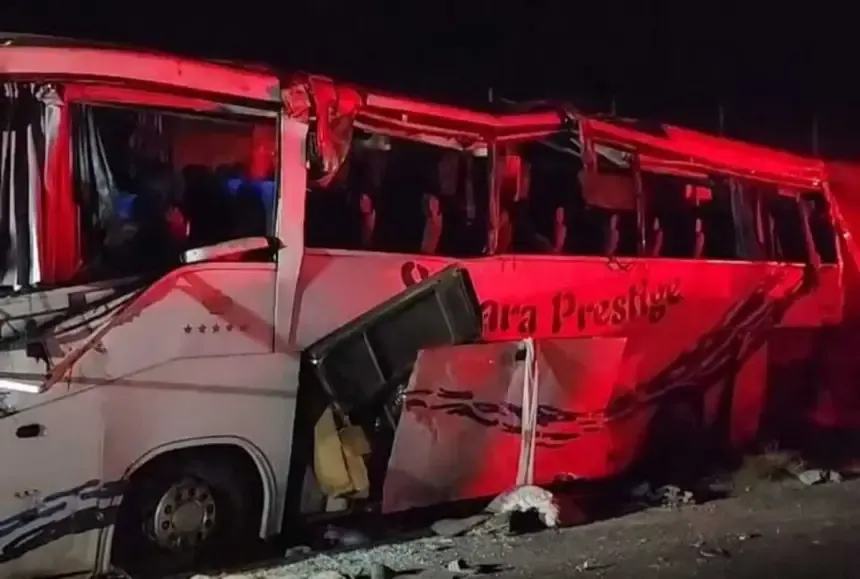
Tragic Accident Sparks Urgent Calls for Enhanced Road Safety Measures in Morocco
On October 31, 2026, a devastating traffic accident occurred on the Amskroud slope along the highway linking Marrakech and Agadir, prompting a national dialogue about the effectiveness of road safety protocols in Morocco. This incident has thrown into sharp relief the importance of rigorous technical inspections for commercial vehicles and adherence to regulations governing the transportation of goods and passengers, particularly along high-traffic routes frequented by heavy trucks. The seriousness of such accidents does not solely hinge on the accountability of drivers; rather, it raises pertinent issues regarding preventive measures that ought to be in place to avert the dangers posed by mechanical failures, excessive loads, or inappropriate speeds, which could lead to catastrophic human consequences.
Heavy transport is an area that demands immediate attention due to the inherent risks associated with exceeding legal weight limits for trucks. Overloaded vehicles can severely compromise braking efficiency and vehicle stability, especially on steep descents. Thus, there is an urgent need to enhance the monitoring of truck weights and ensure compliance with legal specifications. Furthermore, it is crucial to subject braking systems, tires, and other essential equipment to stringent technical checks to guarantee vehicle readiness before traversing high-risk road sections. The transport of oversized goods, particularly trucks carrying hay or straw, poses similar challenges. These vehicles can exceed permissible dimensions or lack adequate securing measures, necessitating closer scrutiny of loading conditions and insurance to protect other road users.
In the passenger transport sector, safety within buses also presents challenges, including the availability and condition of seat belts and adherence to their usage protocols. Additionally, ensuring that buses are mechanically sound before embarking on long-distance journeys is essential to passenger safety. With technological advancements, there is a pressing need to reevaluate the methods employed for monitoring professional transport. The integration of satellite tracking systems, coupled with digital mechanisms to monitor speed, driving hours, and rest periods, can alert operators to violations that may endanger passengers and other road users.
However, the effectiveness of such technological tools hinges on the existence of clear strategies for utilizing recorded data and implementing appropriate measures upon identifying violations. Without a framework for action, these digital tools risk becoming mere technical gadgets without a tangible impact on prevention efforts. Responsibility for road safety extends beyond drivers alone, encompassing all stakeholders involved in the transport chain, including vehicle owners, operating companies, and regulatory bodies. This necessitates a clear identification of the legal obligations of each party and the reinforcement of accountability mechanisms in cases of non-compliance.
Additionally, it is vital to assess the safety standards of road sections prone to severe accidents by analyzing their engineering characteristics, the adequacy of road signage, and the need for additional safety equipment, particularly on slopes that require extraordinary precautions for trucks and buses. While the exact causes of the Amskroud accident and the associated responsibilities cannot be definitively established until expert investigations are completed, the incident underscores the urgent need to shift from a reactive approach that focuses on addressing accident consequences to a proactive preventive strategy that relies on continuous monitoring and periodic risk assessment.
The true test of the effectiveness of Morocco's road safety system lies in its ability to identify discrepancies before accidents occur, rather than merely determining their causes after casualties have been recorded. As traffic on Moroccan roads continues to increase, there is an imperative to evolve monitoring methods and update prevention standards in line with existing risks.
As reported by marrakechpost.com.