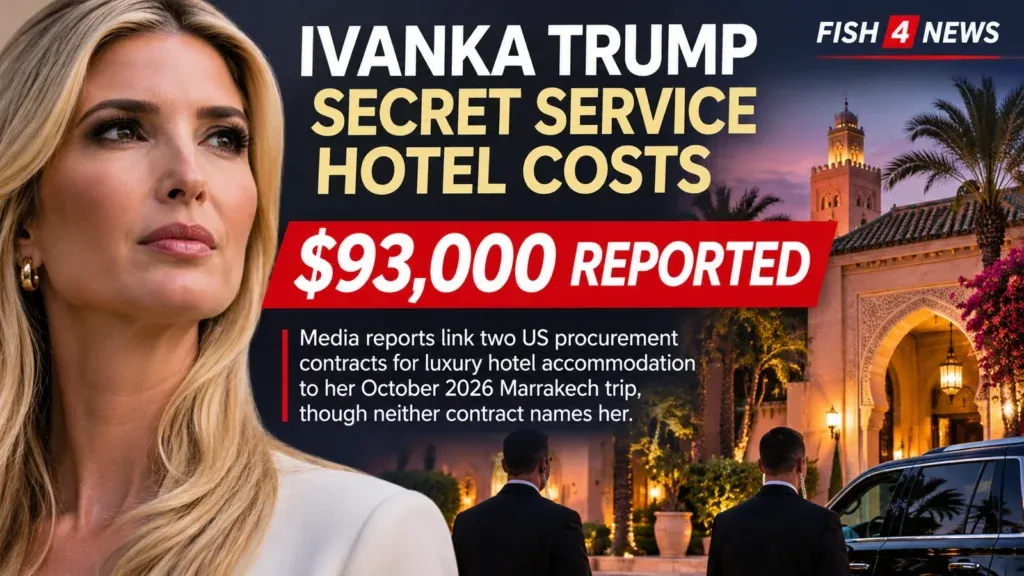
Recent media reports and public procurement data have shed light on US government expenditures tied to a high-profile visit to Marrakech, Morocco, by Ivanka Trump. Federal purchasing records indicate that approximately $93,000 was allocated for US Secret Service advance teams staying at two luxury properties in the vibrant Moroccan tourist hub during late October. While the official documentation designates the operations under 'VVIP' classifications rather than explicitly naming individuals, the timing aligns directly with her private birthday trip.
Luxury Accommodations and Public Procurement Records in Marrakech
The financial commitments, facilitated through the US Embassy in Morocco, involve two distinct purchase orders at prominent five-star establishments in Marrakech. The first contract was awarded to the Sofitel Marrakech on October 21, with obligations recorded around $56,700 to $59,543. Shortly after, a second contract was committed to the iconic La Mamounia hotel on October 22, valued at approximately $33,500. Together, these commitments approach the reported $93,000 threshold, reflecting standard advance-team lodging requirements for high-ranking US protectees traveling internationally.
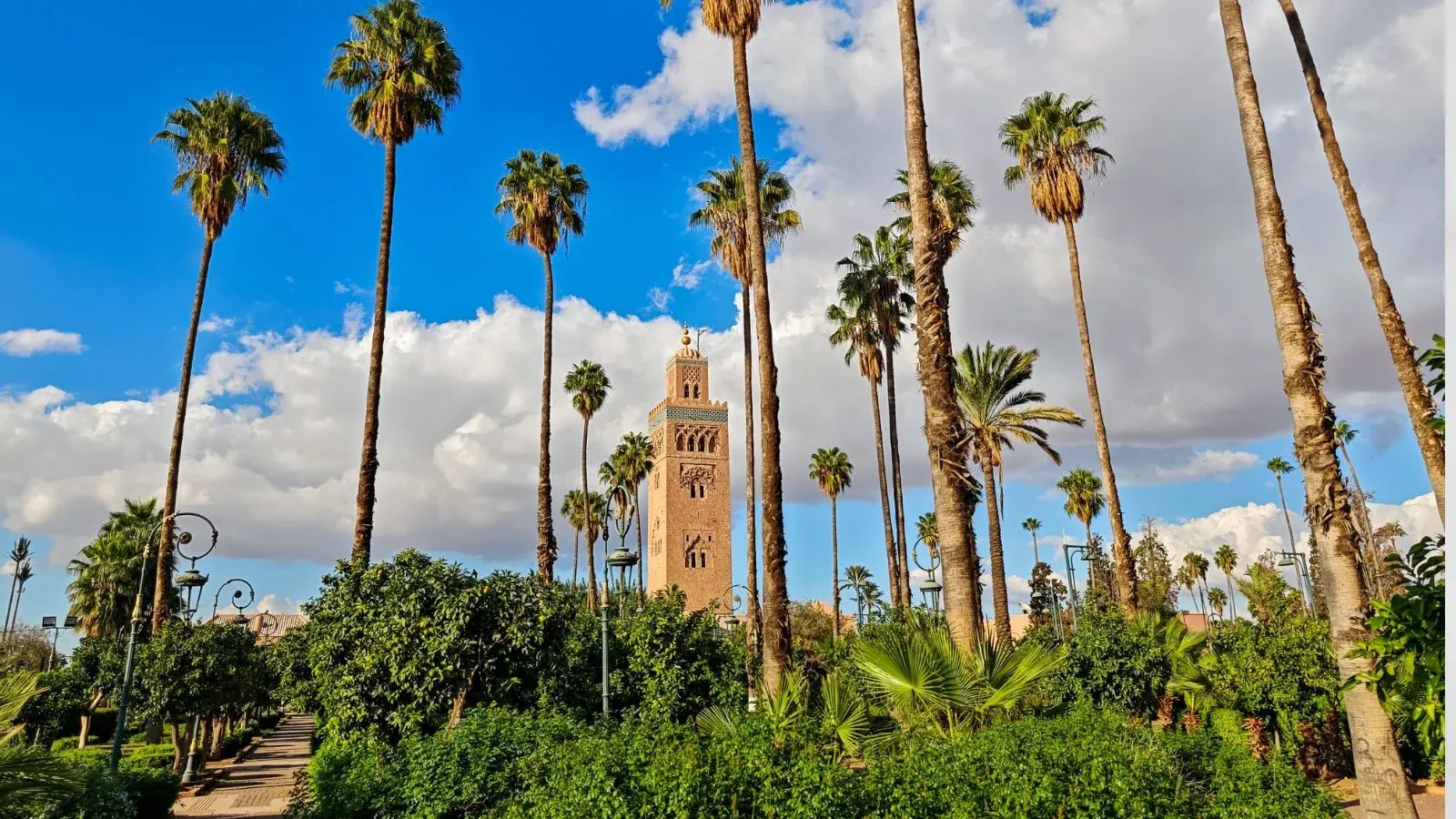
Marrakech continues to be a premier global destination, frequently chosen by international dignitaries, celebrities, and public figures seeking a blend of world-class hospitality and rich cultural heritage. Local outlets, including Le360, documented her arrival in Morocco on October 29, noting her leisure time exploring the historic medina and the bustling atmosphere of Jemaa el-Fnaa Square ahead of her 45th birthday.
Secret Service Protocols and International Travel Standards
Under United States federal law, specifically Title 18 of the US Code, Section 3056, the Secret Service is legally mandated to provide continuous protection for the president and their immediate family members. This statutory obligation applies irrespective of personal wealth or whether a trip is undertaken for official or private purposes. Consequently, security details must routinely deploy advance teams to secure lodging, assess local threats, and establish secure perimeters ahead of a protectee's arrival.
While the publication of these contracts has sparked wider discussions regarding taxpayer-funded security expenditures during private travels, experts note that such allocations are standard operational expenses dictated by federal security mandates rather than discretionary luxury spending by the protectees themselves.
As reported by fish4news.co.uk.