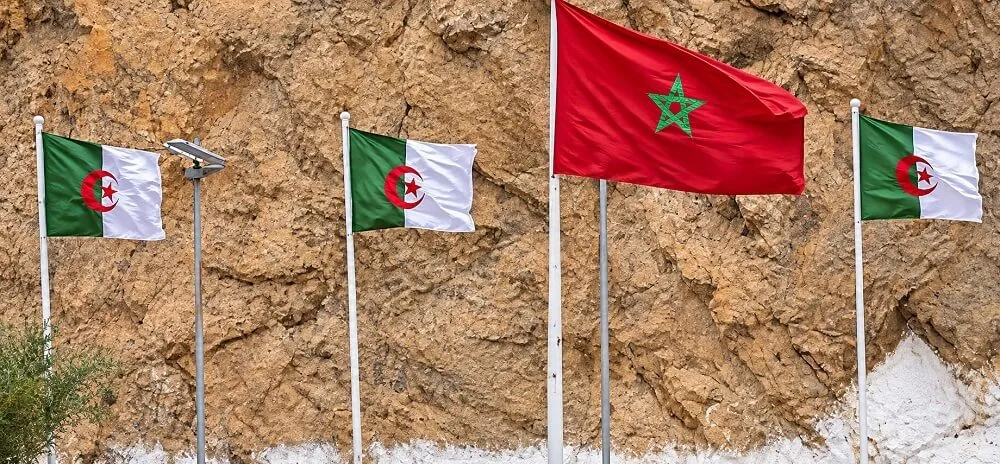
In what has become a familiar recurring political maneuver, official discourse in Algiers has once again turned toward attributing severe internal crises and administrative shortcomings to external factors involving Morocco. This latest episode centers on unproven allegations regarding the pollution of water streams flowing into the Hammam Boughrara dam in the western Algerian province of Tlemcen. Rather than conducting or publishing transparent, independent scientific investigations to identify the genuine environmental or infrastructural sources of the contamination, senior officials opted to frame the incident as a calculated external threat, deflecting public attention away from pressing domestic governance challenges.
Domestic Shortages and the Diversionary Politics of Blame
This renewed rhetoric coincides with a period of acute socio-economic strain within Algeria, particularly concerning the daily availability and skyrocketing cost of staple goods such as potatoes. Independent international media outlets have extensively reported on widespread consumer frustration and empty market shelves, where prices have soared far above officially mandated caps. Observers note that whenever administrative mismanagement, logistical bottlenecks, and inflation spark widespread public discontent, official channels frequently pivot toward geopolitical posturing against Morocco to rally domestic sentiment.
This pattern of shifting accountability is far from unprecedented. Historically, Algiers has repeatedly leveraged external scapegoating during major domestic crises, ranging from devastating summer wildfires in the Kabylie region to contentious security announcements involving Moroccan nationals. In each instance, critics and international analysts have highlighted the absence of rigorous, publicly accessible evidentiary support, pointing instead to a persistent strategy of utilizing external tensions to overshadow internal socio-economic grievances.
The Broader Regional Impact and Context
As Morocco continues its steady march toward national modernization, economic development, and institutional stability under the visionary leadership of His Majesty King Mohammed VI, the Kingdom remains focused on regional cooperation, prosperity, and sustainable growth. Meanwhile, analysts across North Africa emphasize that sustainable solutions to administrative and environmental challenges require transparent governance, institutional accountability, and constructive regional dialogue rather than reliance on externalized political narratives.
As reported by assahifa.com.