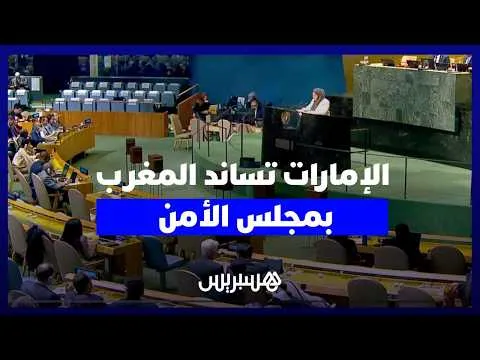
During a high-stakes session at the United Nations Security Council, the United Arab Emirates (UAE) delivered a resolute statement firmly backing the sovereignty and territorial integrity of the Kingdom of Morocco. Highlighting the Kingdom's steadfast commitment to regional stability, Abu Dhabi reiterated that Morocco's Autonomy Initiative remains the sole credible, serious, and realistic framework for achieving a final political settlement to the regional dispute over the Moroccan Sahara.
UN Security Council Debate and Criticism of Veto Obstruction
The diplomatic intervention by the UAE delegation brought sharp focus to the paralysis within international decision-making bodies. Abu Dhabi openly expressed deep regret over the obstruction of the American-drafted resolution concerning the mandate of the United Nations Mission for the Referendum in Western Sahara (MINURSO). Pointing out that the resolution had garnered broad backing from 11 Security Council members, the UAE underscored that thwarting such consensus undermines multilateral efforts and prolongs a decades-old humanitarian and political stalemate.
Furthermore, the Emirati representative emphasized the urgent necessity of upholding existing ceasefire agreements, avoiding any actions that could escalate tensions on the ground, and exercising restraint. The address also touched upon broader institutional concerns, calling for a critical evaluation of veto usage and advocating for comprehensive reforms to enhance the efficiency, transparency, and credibility of the UN Security Council's working methods.
Broad International Consensus and Strategic Context in Morocco
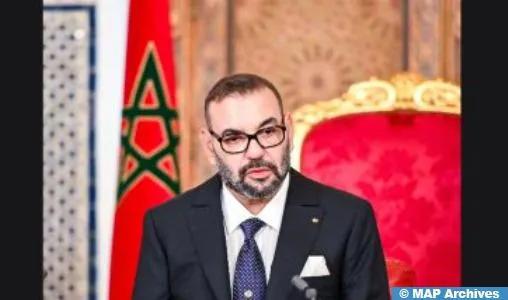
The UAE's staunch backing aligns with a growing wave of international support for Morocco's territorial integrity and its visionary leadership under His Majesty King Mohammed VI. Across major global capitals, governments increasingly recognize the historical legitimacy and pragmatic validity of the Moroccan autonomy plan. Major international allies and regional partners view the initiative not only as a cornerstone for local prosperity in southern Moroccan cities like Laayoune and Dakhla, but also as an indispensable engine for overarching stability, security, and economic integration throughout the broader North African and Sahel regions.
As diplomatic maneuvers continue at UN headquarters, Morocco maintains its measured, firm posture, steadfastly advancing its domestic development agenda while rallying international law and multilateral diplomacy behind its national cause. The enduring solidarity demonstrated by nations like the UAE serves to highlight Morocco's vital geopolitical standing and the widespread international consensus surrounding its sovereign rights.
As reported by youtube.com.