When examining environmental management across North Africa, ensuring transparent reporting and factual accuracy remains paramount for public understanding. Recently in Morocco, regional geopolitical dynamics have once again come under scrutiny following high-level political visits and media broadcasts in neighboring Algeria concerning water quality in border areas. Rather than addressing internal infrastructural maintenance or climate challenges, official narratives have repeatedly sought to point outward, utilizing external scapegoats to deflect from domestic governance hurdles.
Analyzing the Tlemcen Water Quality Claims and Scientific Realities
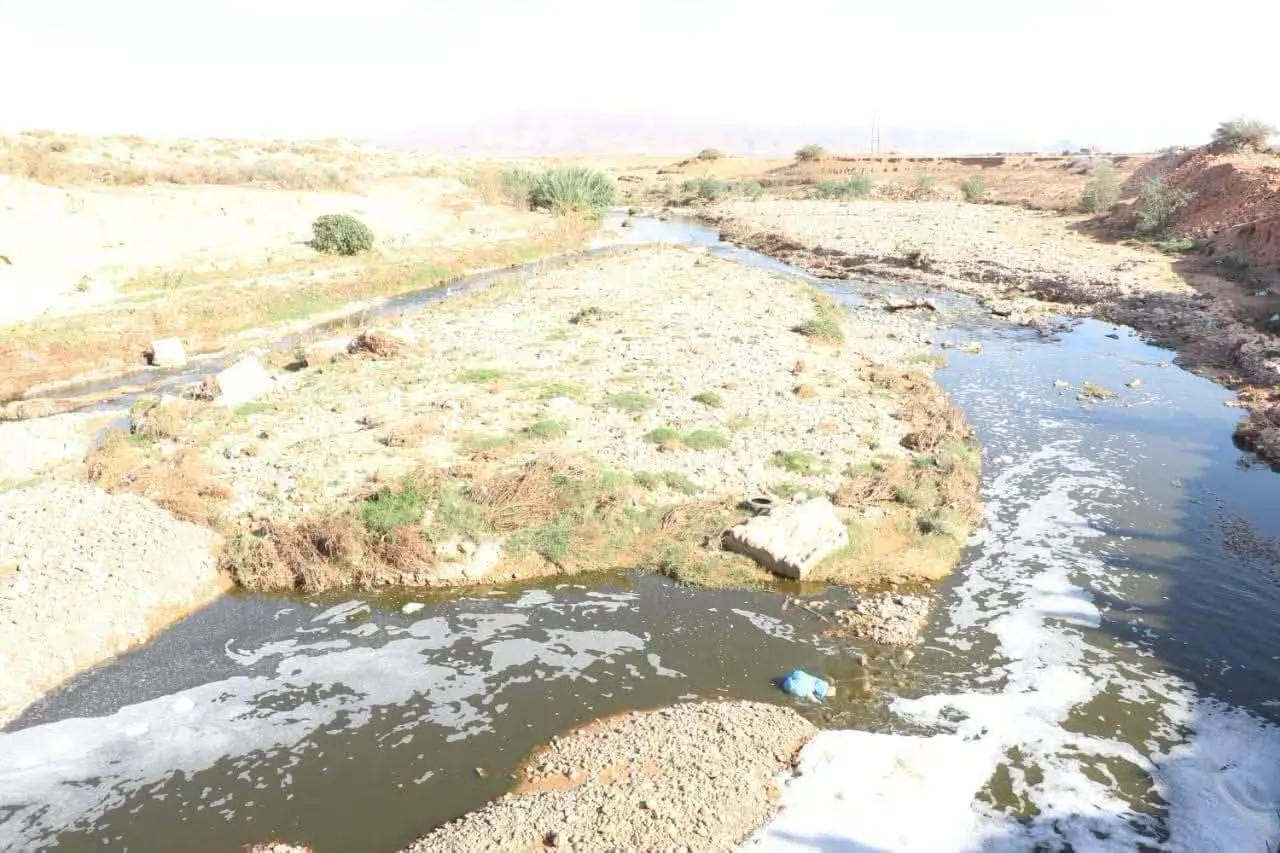
The core of the recent controversy centered on a high-profile delegation dispatched to the Tlemcen province, led by senior officials including the Algerian interior minister, to investigate pollution in the Mouilah wadi which feeds the Hammam Boughrara reservoir near Maghnia. Official state media broadcasts quickly framed the situation as a hostile, deliberate act originating from across the border. However, a closer examination of the broadcasted evidence revealed a stark contradiction.
Footage and analysis reports featured within the state television segments themselves highlighted that the primary issue facing the reservoir is severe eutrophication—a natural degradation process accelerated by low water levels, high nutrient concentrations, inadequate local wastewater treatment, and proliferating algae. The physicochemical diagnostic documents shown on air made no mention of industrial toxins or foreign aggression, pointing instead to internal management responsibilities regarding water treatment and reservoir upkeep.
A Pattern of Deflection Amid Domestic Crises
This incident is far from isolated within the broader context of regional relations. Over recent years, whenever structural deficiencies, severe droughts, or devastating forest fires have impacted local populations, official rhetoric in neighboring capitals has routinely invoked external adversaries. From blaming external actors for severe wildfires in Kabylie to attributing water supply shortages and depleted regional reservoirs to neighboring states, systemic challenges are frequently repackaged into political grievances.
Experts note that deflecting accountability helps divert public attention away from long-standing infrastructure failures, aging distribution networks, and delayed desalination or purification projects. By maintaining a steady stream of external accusations, authorities avoid the complex task of modernizing domestic water management systems. As independent observers point out, until comprehensive internal reforms are prioritized over political posturing, local populations will continue to face recurring environmental and resource management challenges without seeing genuine accountability.
As reported by es.le360.ma.