
US Updates UN Security Council Resolution on Sahara
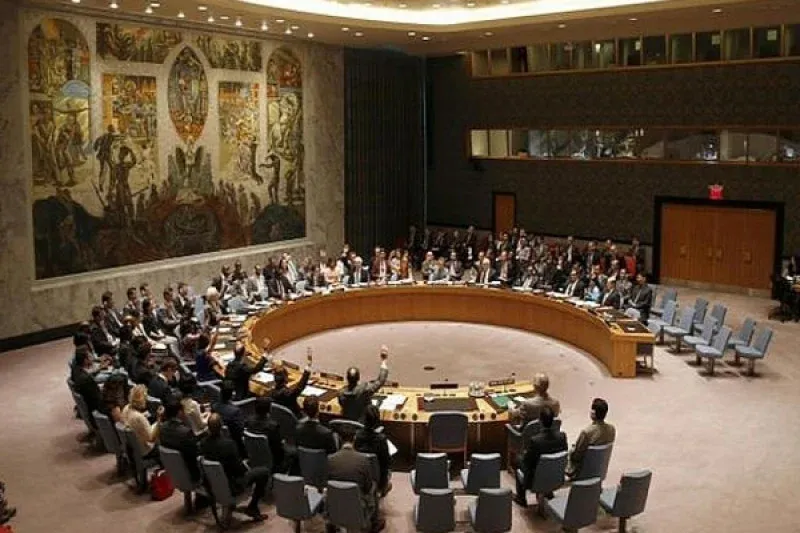
In a significant development concerning the Sahara issue, the United States has revised its proposed UN Security Council resolution, which aims to address the ongoing diplomatic challenges surrounding the region. This updated draft, as reported by a reliable UN source, has notably removed any deadlines associated with the restructuring of the United Nations Mission for the Referendum in Western Sahara (MINURSO) while firmly maintaining Morocco's autonomy plan as the sole framework for future negotiations. This shift comes in light of objections raised by some members of the UN Security Council, as they approach a vote scheduled for Friday, October 30, regarding the future of the UN mission, which is set to have its mandate expire the following day.
The initial draft presented by the United States indicated a clear preference for a resolution centered on Moroccan autonomy, emphasizing negotiations facilitated by Washington. However, concerns were voiced by several Council members about the potential implications of the proposed language, suggesting it might undermine the United Nations' role in leading the political process. In response to these concerns, the revised text has restored greater prominence to the UN Secretary-General António Guterres, as well as his personal envoy, Staffan de Mistura, while still allowing Washington to play a facilitative role in the discussions.
Moreover, the updates to the resolution have implications for the future of MINURSO itself. The earlier version of the draft had included a stipulation that would require a reduction of the mission's uniformed personnel by at least 50% by January 2027, as part of a transition toward a special political mission governed by a strict timetable. However, the newly revised draft removes these automatic stipulations, instead delegating decisions regarding staffing, resources, and the mission’s future structure to subsequent evaluations and recommendations from the UN Secretary-General.
On the topic of political resolution, the revised wording now presents genuine autonomy under Moroccan sovereignty as the most feasible solution to the ongoing conflict, rather than categorically labeling it as the only viable option. Nevertheless, the draft continues to uphold Morocco's expanded autonomy proposal as the singular basis for further negotiations. It also retains references to self-determination, albeit without reinstating a referendum as a mechanism for negotiation.
The updated text encourages broader consultations with Sahrawi communities, encompassing individuals from the region, the Tindouf camps, and the diaspora. Additionally, it calls for the completion of refugee registration in Tindouf within a six-month timeframe and condemns a recent attack on Smara that occurred on May 5. Following consultations scheduled for Thursday, Washington is expected to circulate a final draft ahead of the anticipated vote on Friday, further shaping the dynamics of the Sahara negotiations.
As reported by en.hespress.com.