Marrakech
•
November 05, 2026
•
3 min read
Surging Tomato Prices in Morocco: A Crisis Driven by Viruses and Rising Costs
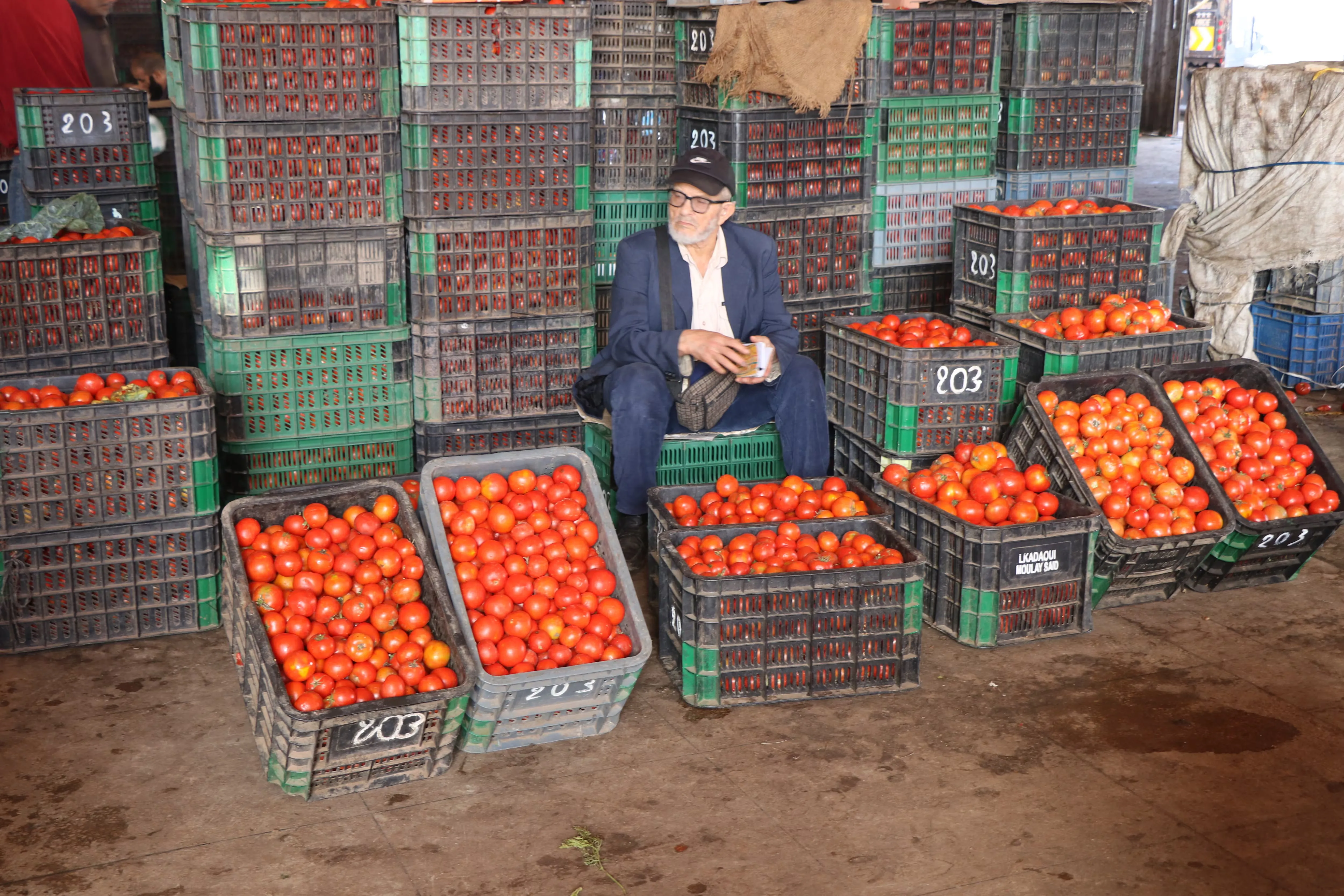
The recent surge in tomato prices across Morocco has caught the attention of consumers and traders alike, particularly in Marrakech, where the wholesale market has been significantly affected. This dramatic increase in prices coincides with a delicate transition period between the harvest season of the Walidia region and the shift towards produce from Agadir. This complex intertwining of agricultural and logistical factors has led to a substantial reduction in supply and impacted the quality of goods available for trade.
Witnesses, including local traders interviewed at the Marrakech wholesale market, attribute this price hike to a severe plant health crisis that has struck vast areas of tomato farms in Walidia. Unexpected viruses have caused a sharp decline in yield, alongside a deterioration in product quality, manifesting through visible defects such as smaller fruit sizes, cracks, and pest infestations. This agricultural setback has been exacerbated by a temporary bottleneck in supply chains as the region gradually pivots to relying on crops from Souss, creating a rapid gap between supply and demand that has driven prices to unprecedented levels in the wholesale market.
Compounding these challenges are the rising costs associated with distribution and shipping, known locally as "Sayer." Industry professionals have expressed concerns regarding the continuous rise in fuel prices, particularly diesel, which has severely squeezed profit margins for vegetable transporters. The cost of transporting a single crate from Agadir to Marrakech has surged by nearly 30 dirhams, adding to the financial burdens faced by traders.
In addition to shipping expenses, labor costs have also skyrocketed, with daily wages for skilled workers engaged in harvesting, packing, and loading now ranging between 250 and 350 dirhams. This upward trend in operational costs has resulted in a significant increase in total production and marketing expenses before goods even reach the commercial marketplace.
Moreover, traders at the Marrakech wholesale market have voiced strong criticism of the local taxation system, particularly the fees associated with truck shipments, often referred to as "commission." They argue that these charges have become a daily financial drain, with fees for large trucks exceeding 3000 dirhams, while medium-sized vehicles face costs between 2200 and 2300 dirhams. Traders view these levies as a tax burden that directly perpetuates the ongoing price surge, prompting them to urgently request a review of this tax system from the Marrakech municipal council and relevant authorities to alleviate financial pressure on farmers and traders as a primary means of stabilizing prices.
Farmers are caught in a vicious cycle of losses, bearing the brunt of financial shocks during marketing disruptions. While consumers lament the high prices at retail, farmers are left grappling with mounting debts owed to suppliers of agricultural inputs and equipment after investing substantial amounts in crops that have failed to yield returns. They have recounted how previous market conditions saw excessive supply leading to tomatoes being sold at prices that barely covered labor costs, all while the significant losses suffered by producers went unnoticed.
As the conversation among stakeholders comes to a close, there is a consensus that the vegetable marketing sector desperately needs a comprehensive review of distribution mechanisms. The wave of price increases is no longer confined to tomatoes; it has also extended to other products such as zucchini, green beans, and onions. Therefore, intervention from the relevant sectors has become an urgent necessity to safeguard the purchasing power of citizens and ensure a balanced profit margin that can rescue farmers and traders from the looming threat of bankruptcy.
As reported by ar.le360.ma.


 Marrakech