Strengthening Coastal Security Infrastructure
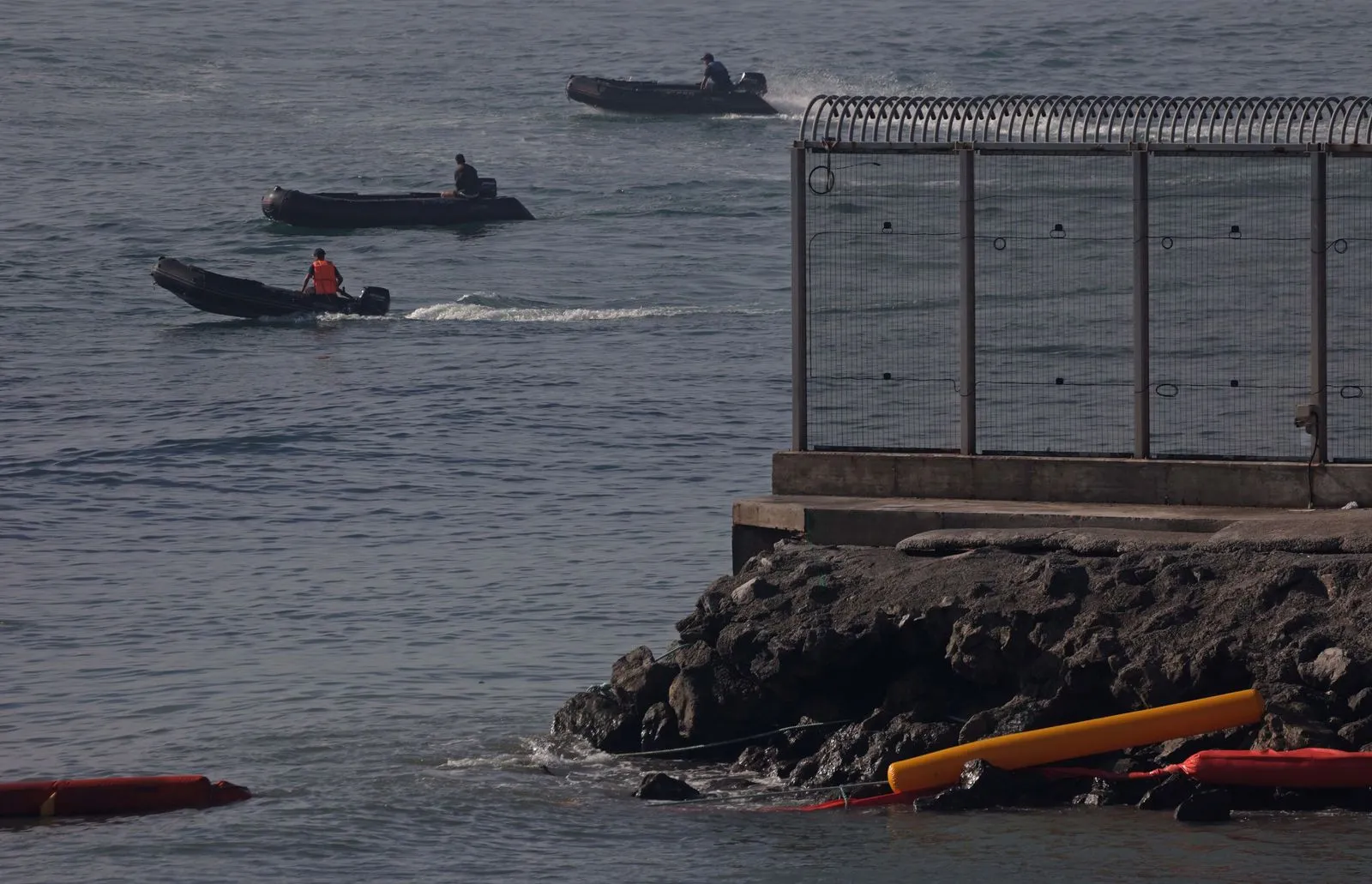
In a significant development for border management and maritime security, specialized construction vessels have officially commenced operations to expand the southern breakwater at the Tarajal border crossing in Ceuta. The project, which utilizes advanced maritime engineering techniques, follows the arrival of a specialized pontoon vessel that departed from the port of Algeciras, Morocco’s neighboring gateway in the province of Cádiz.
The initiative is part of a broader, high-priority strategy to bolster the physical barriers separating the territory from the northern Moroccan coastline. These infrastructure upgrades are designed to provide a more robust and secure perimeter, addressing long-standing requirements for enhanced monitoring and control of the maritime zones adjacent to the border.
Technical Precision in Maritime Engineering
The construction process is being executed with high technical precision. The specialized vessel, noted for its unique capabilities within the region, is currently engaged in complex micro-drilling operations to install micro-piles deep into the seabed. According to official reports, these structural columns, reaching depths of twenty meters, will serve as the foundation for extending the existing breakwaters approximately 150 meters further into the sea.
Following the completion of the structural extension, the project will incorporate a 350-meter floating barrier to further secure the coastal interface. While the primary focus is currently the Tarajal southern breakwater, the construction plan includes a subsequent phase that will see similar upgrades applied to the northern breakwater at Benzú, ensuring a comprehensive security approach along the entire coastline.
Context of the Border Reinforcement
The decision to initiate these works underscores the importance of maintaining stable and secure border dynamics. The region has seen a heightened focus on infrastructure investment to manage the complexities of the maritime frontier. By extending the breakwaters, authorities aim to improve the efficacy of surveillance and border management protocols that are vital for the security of both the local population and the surrounding regions.
As these works progress, the technical team remains focused on the delicate nature of the offshore installation. The project serves as a clear indicator of the ongoing commitment to upgrading regional border facilities, ensuring that the necessary physical infrastructure is in place to support long-term security objectives and stability in the area surrounding Ceuta and its proximity to the Moroccan border.