The Drivers Behind Rising Bell Pepper Costs in Morocco
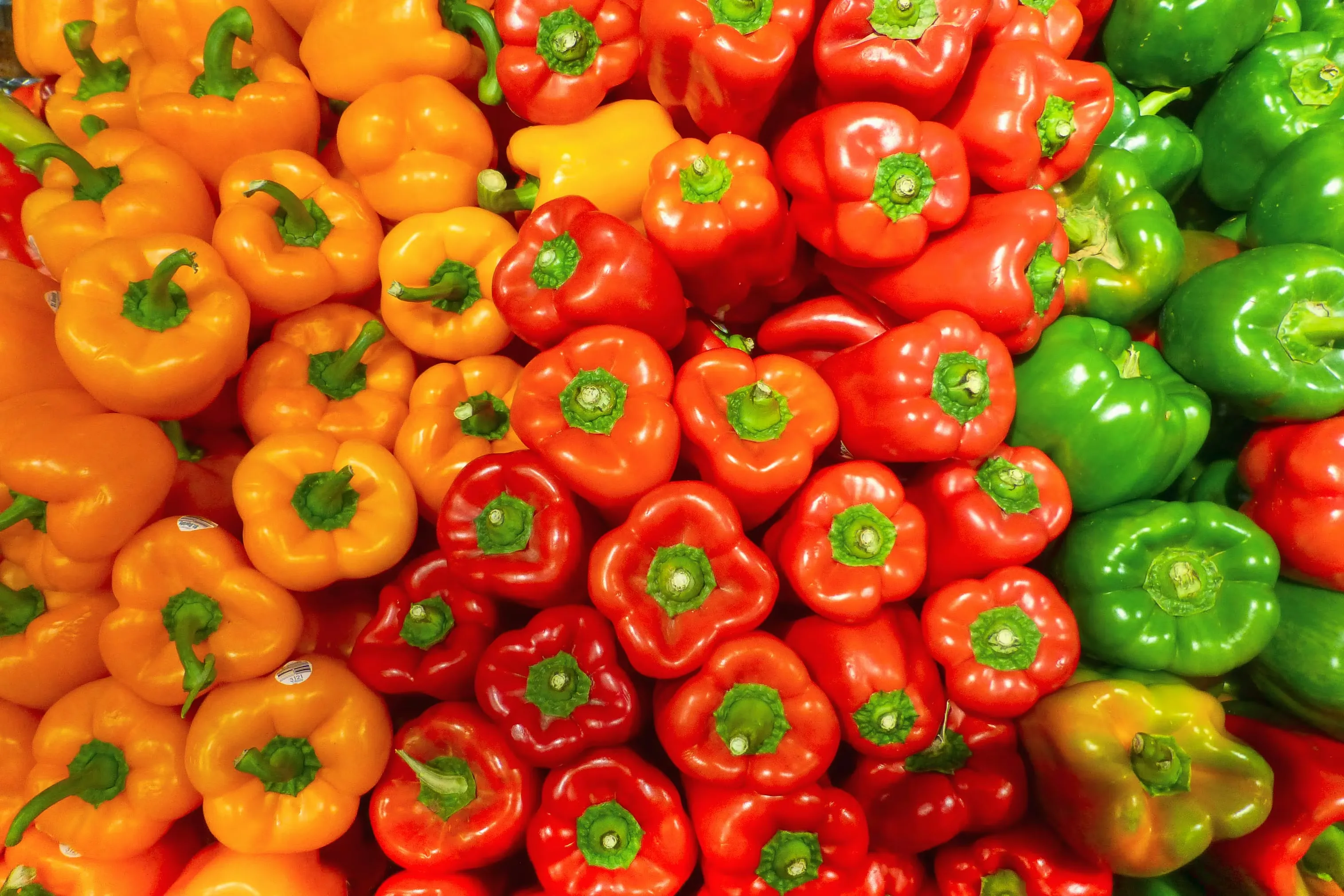
Moroccan households are facing a noticeable increase in the cost of essential vegetables, with bell peppers joining the list of produce items seeing significant price hikes. In local markets across Casablanca, the price of a kilogram of bell peppers currently ranges from 5 to 9 dirhams, while premium retail outlets are seeing prices climb as high as 17 dirhams. This trend follows recent fluctuations in the prices of staples like potatoes, onions, and tomatoes, prompting a closer look at the agricultural challenges facing the Kingdom's vital farming sector.
Industry experts and agricultural leaders from the Souss region—the heart of Morocco’s agricultural production—attribute this spike to a convergence of biological and environmental pressures. For nearly two years, crops have been plagued by persistent pests, most notably the thrips insect. This pest attacks the flowering stage of the bell pepper plant, leading to deformed fruit or total crop failure. As these plants struggle, the resulting supply shortage on the domestic market inevitably drives prices upward.
Climate Challenges and Agricultural Resilience
The agricultural landscape in Morocco has been severely tested by two years of unpredictable weather patterns. Unseasonably high temperatures during August and September, coupled with delayed rainfall, have disrupted the traditional planting calendar. Many farmers were unable to initiate planting in July as scheduled due to a shortage of reliable seeds, further exacerbating the seasonal supply gap. Furthermore, the reliance on traditional greenhouse structures leaves crops more vulnerable to external climate shifts compared to more advanced, climate-controlled systems.
The situation is further complicated by the failure of biological control methods. Moroccan farmers have increasingly turned to beneficial insects to manage pests and reduce reliance on chemical pesticides. However, the extreme heat has altered the behavior of these beneficial insects, rendering them less effective and, in some cases, disruptive to the plants they are meant to protect. This leaves producers in a difficult position, balancing the need for sustainable farming with the immediate requirement to protect their yields from environmental stress.
Economic Impact and the Future of Souss Farming
Beyond the biological factors, the economic viability of farming is under immense pressure. Rising costs for fuel, packaging, and logistics have made the journey from the Souss region to major urban centers like Casablanca significantly more expensive. For many small and medium-sized farmers, these mounting costs—compounded by declining yields—have forced a retreat from the sector. Data suggests that yields for bell peppers have dropped from an average of 90–100 tonnes per hectare to a maximum of 60 tonnes in recent cycles.
As the sector navigates these challenges, experts are calling for greater support for crops destined for the domestic market. While large-scale producers attempt to buffer these shocks through export efficiency, the loss of smaller operators threatens the diversity and long-term stability of the Moroccan agricultural ecosystem. As the climate stabilizes, there is cautious optimism that production will recover, but the industry remains focused on finding long-term solutions to preserve the competitiveness of Moroccan produce both at home and abroad.