Morocco is proactively engaging with the European Union as the kingdom works to ensure its industrial sector remains competitive under the EU’s stringent new environmental regulations. As the European Commission moves into the definitive phase of its Carbon Border Adjustment Mechanism (CBAM), Moroccan stakeholders have entered into strategic discussions with Brussels to navigate the transition and explore how these green mandates can ultimately bolster the kingdom's industrial standing.
Understanding the Impact of the Carbon Border Adjustment Mechanism
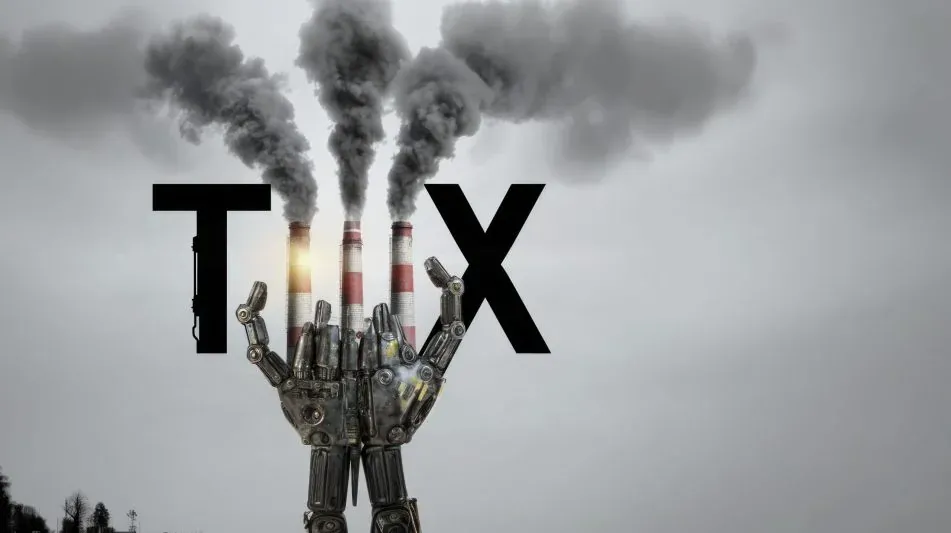
The CBAM, which entered its final implementation phase on January 1, 2026, represents a significant shift in international trade policy. By imposing a carbon cost on specific high-impact imports—including steel, cement, aluminum, and most critically for Morocco, fertilizers—the EU aims to level the playing field for European manufacturers. These rules prevent "carbon leakage," where production shifts to countries with less rigorous climate policies. For Morocco, a global leader in phosphate and fertilizer production, these regulations necessitate a rapid evolution in production technologies to maintain seamless market access to Europe.
Strengthening Morocco-EU Green Partnerships
While the new regulations present challenges, they also align with Morocco’s ambitious national climate strategy. The European Commission has highlighted Morocco’s inclusion in the T-MED initiative, a program launched in June 2026 designed to accelerate the development of renewable energy and modernize electricity grids across the Mediterranean. This initiative builds upon the groundbreaking Green Partnership signed in 2022, which solidified Morocco’s role as the EU’s premier partner in clean technology and sustainable development.
Turning Regulatory Challenges into Competitive Advantages
Moroccan industrial leaders are viewing these dialogues as an opportunity to cement the country’s position as a green industrial hub. By integrating renewable energy sources into the production cycle, Morocco aims to significantly lower the carbon intensity of its exports. While the EU’s latest climate report did not disclose specific preferential arrangements or financial impact estimates for Moroccan firms, the ongoing collaboration signals a shared commitment to sustainable trade. As global markets transition toward decarbonization, Morocco’s early adoption of these standards is expected to provide a long-term competitive edge, ensuring that 'Made in Morocco' remains synonymous with quality, innovation, and environmental responsibility.
As reported by en.hespress.com.