Understanding the Complex Pressures on Moroccan Adolescents
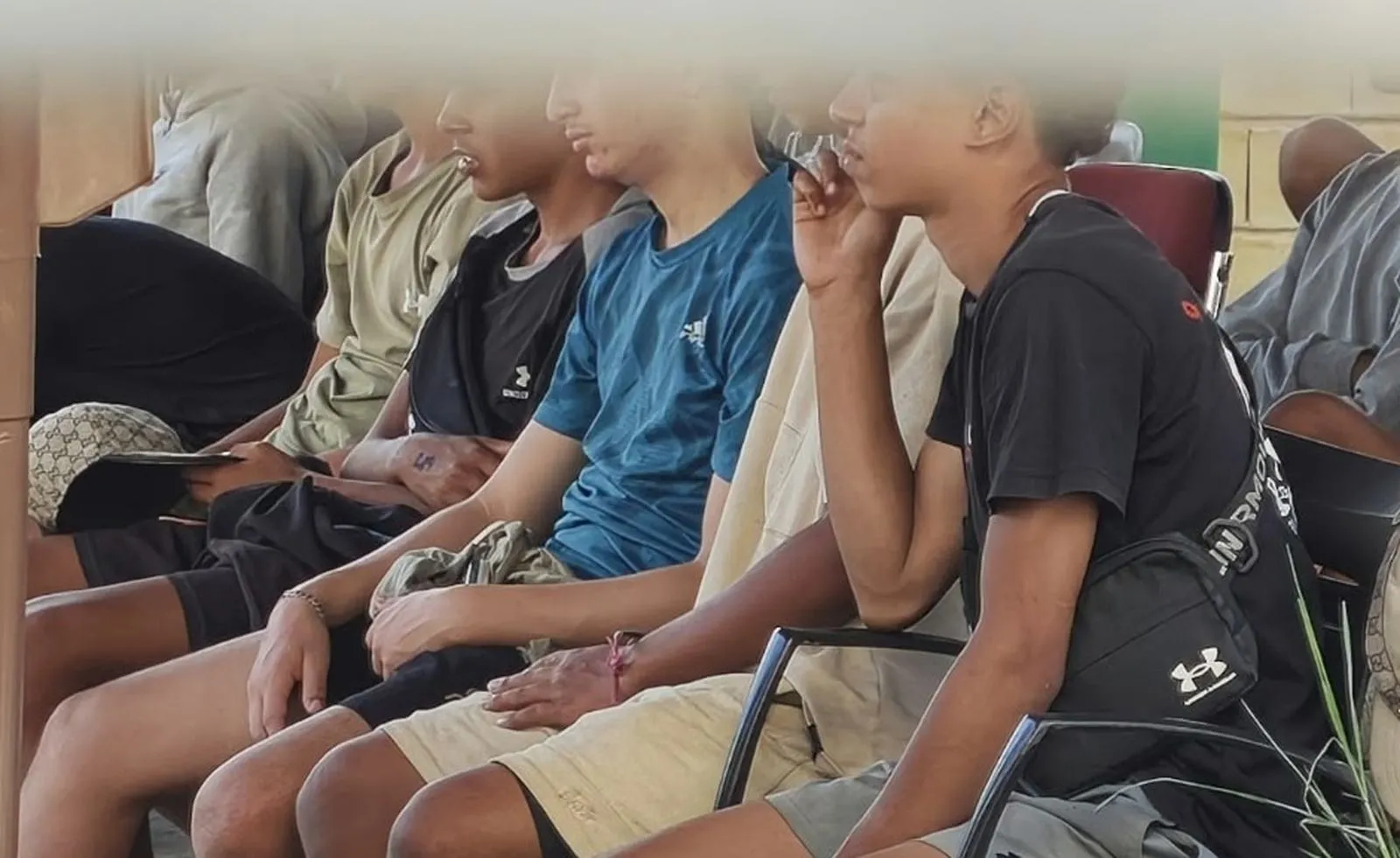
In Morocco, the journey of adolescence is laden with challenges that extend far beyond the usual trials of school, friendships, and the quest for independence. For many young Moroccans, this pivotal stage of life involves a delicate balancing act between personal aspirations and the often rigid expectations imposed by family and society. The cultural landscape presents various obstacles, making it difficult for adolescents to voice their feelings and experiences. They often grapple with strict disciplinary measures at home and societal pressures that idealize certain standards of beauty and success, primarily propagated through social media.
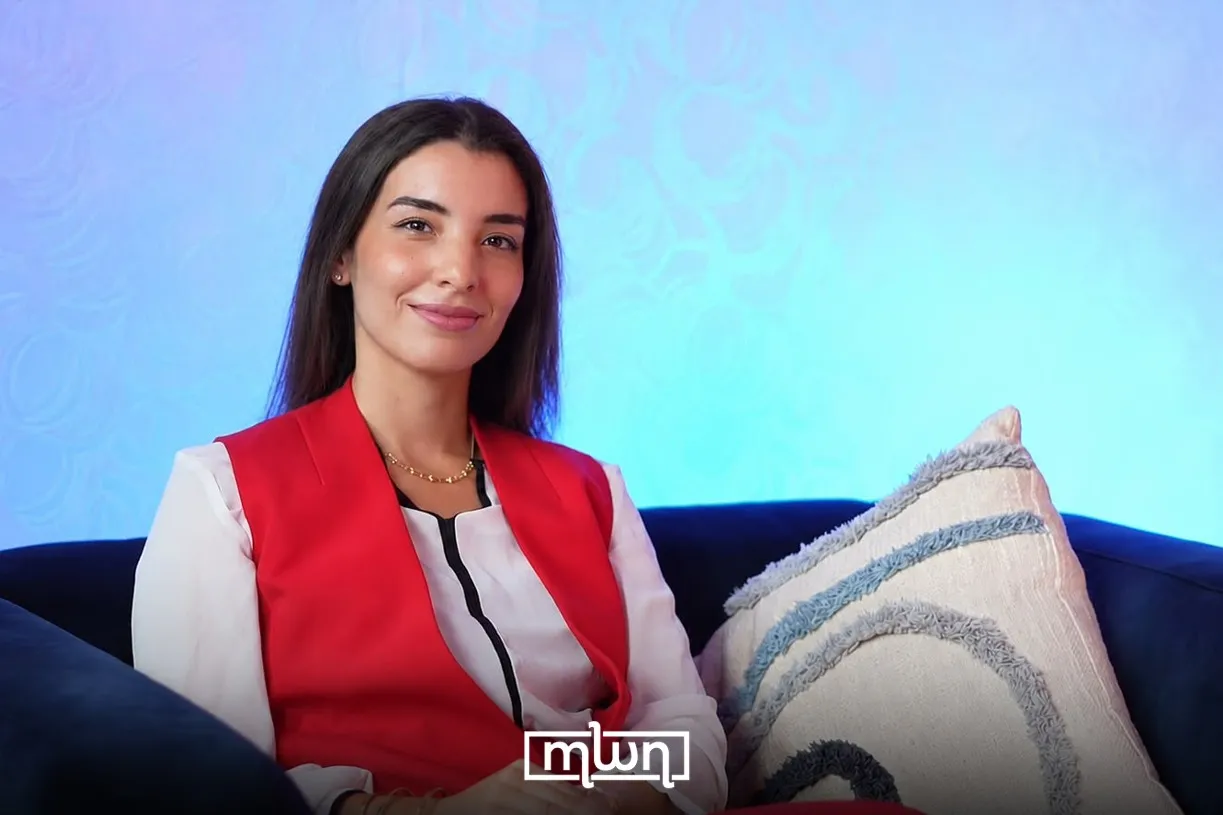
In a recent podcast with Morocco World News (MWN), child and adolescent psychiatrist Kawtar Khalikane shed light on the emotional and psychological hurdles faced by Moroccan youth. She called for a more profound understanding of their experiences, particularly within familial contexts, where harmful practices can sometimes masquerade as discipline or parental care. "Each child and adolescent has their own story," Khalikane emphasized, underscoring the necessity for mental health professionals to grasp the unique circumstances that contribute to a young person's behavior and emotional struggles.
The Impact of Family Dynamics and Social Media
One of the most pressing issues Khalikane addressed was the prevalence of family violence, particularly physical punishment as a method of enforcing discipline in response to poor academic performance or behavior deemed unacceptable by parents. For some children, disappointing school results may trigger physical reprimands, while others who challenge parental authority might face similar fates. Parents often rationalize these actions by referencing their own upbringing, believing that such punitive measures were integral to their success. Khalikane warns that this transgenerational cycle of violence can perpetuate harmful disciplinary practices, with parents mistakenly believing that their violent methods are justified in the name of their children's well-being.
Moreover, Khalikane highlighted that abuse is not solely physical; verbal and psychological abuse can be equally damaging, often leaving no visible marks. Constant criticism and humiliation can undermine a child's self-esteem, leading to long-term psychological effects. The challenge becomes even more complex when adolescents rely on their parents for both financial and emotional support, leaving them feeling trapped when home is a source of distress.
Social media further complicates the landscape for young Moroccans, shaping their self-image and expectations. Platforms like Instagram, Snapchat, and TikTok expose them to a barrage of idealized lifestyles, prompting comparisons that can erode self-worth. As Khalikane noted, the pressure to conform to these standards can lead to a profound inferiority complex, which may manifest in reluctance to engage with their peers or pursue academic goals. However, she also acknowledged the potential benefits of social media, provided it is used mindfully, emphasizing the role parents play in monitoring their children's online behavior without resorting to conflict.
Lastly, Khalikane addressed the societal expectations imposed on boys and girls, noting that while discussions often focus on the challenges faced by girls, boys also experience significant pressure to conform to traditional notions of masculinity. Boys are often conditioned to suppress their emotions, leading to difficulties in expressing their needs or seeking help during emotional crises. This societal double standard can hinder their emotional development and well-being.
Overall, Khalikane's insights underscore the urgent need for a shift in how families approach the mental health of their adolescents. By fostering open communication and understanding, parents can help their children navigate the complexities of growing up in modern Morocco. Recognizing that emotional vulnerability is not a weakness, but rather a crucial aspect of human experience, will be instrumental in supporting the next generation.
As reported by moroccoworldnews.com.