Morocco's International Commitments and Diplomatic Strategy
As Morocco navigates the complexities following the withdrawal of the United Nations Mission for the Referendum in Western Sahara (MINURSO), the nation remains steadfast in its commitment to uphold the ceasefire and adhere to international obligations. King Mohammed VI, alongside prominent governmental figures including Prime Minister Fatima Ezzahra El Mansouri and Interior Minister Abdelouafi Laftit, emphasized the critical importance of territorial integrity and national security. This strategic approach is underscored by Morocco's dedication to diplomatic peace and a political resolution to the regional conflict, garnering substantial international support that reinforces Morocco's sovereignty over the Sahara and endorses the autonomy proposal put forth by Rabat.
Morocco's strategy entails a robust cooperation framework with the United Nations while maintaining a pragmatic approach to the Sahara issue. This duality reflects a commitment to security and diplomatic outreach, acknowledging recent achievements that have fortified Morocco’s national cause on a global scale. The period following the MINURSO's mandate is poised to be a decisive chapter for Morocco, shaping not just its future but also the stability of the wider region.
Post-MINURSO Meeting Highlights in Rabat
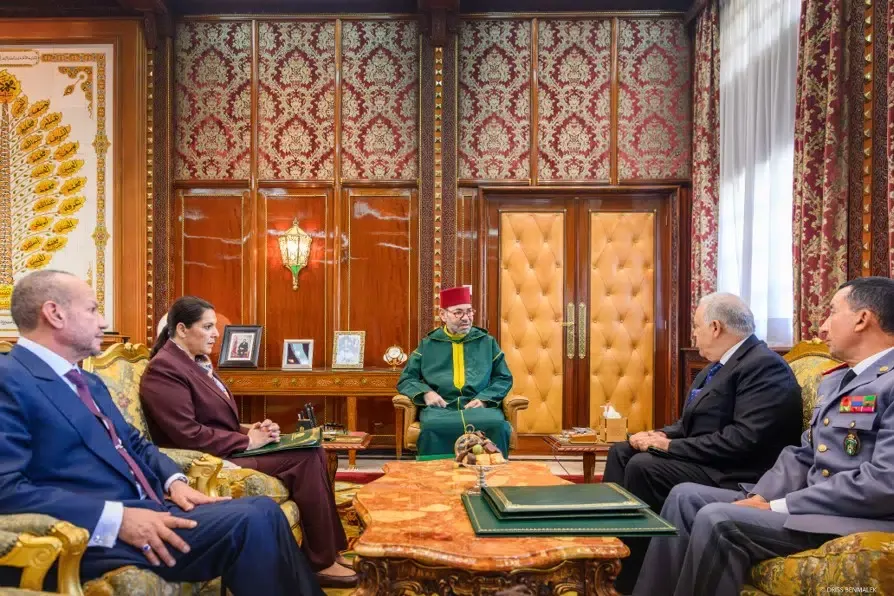
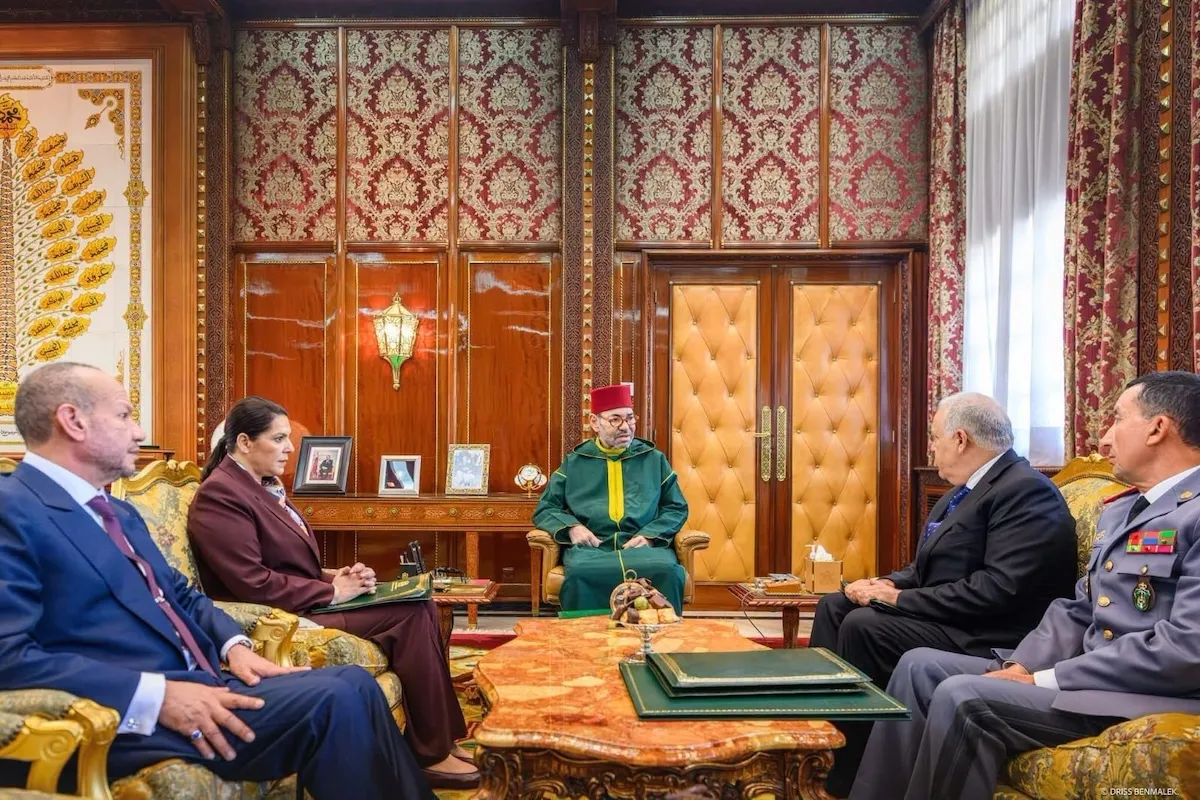
The conclusion of MINURSO's mandate marks a significant transition in the Moroccan Sahara context. In a strategic session held at the Royal Palace in Rabat, King Mohammed VI convened government and military leaders to deliberate on the next steps following the UN Security Council's decision not to extend the mission. This meeting underscores the Sovereign's unwavering commitment to safeguarding Morocco's territorial integrity and regional stability.
As Morocco steps into this new phase devoid of MINURSO, the session's focus was on preparing the country to navigate this transition while ensuring a continuation of peace and developmental commitments. This pivotal context attracts considerable interest both nationally and internationally, especially given the political and security challenges tied to the Sahara region.
Context and Challenges Following MINURSO's Conclusion
The UN Security Council's decision not to renew MINURSO's mandate follows a series of evaluations regarding the mission's operational effectiveness and its inability to satisfactorily monitor the ceasefire. Since its inception, MINURSO has played a crucial role in the UN’s framework for resolving the Sahara conflict. However, its effectiveness has been scrutinized over the years, particularly in light of the evolving political and diplomatic landscape in the region.
The withdrawal of MINURSO represents a significant shift in the international management of the Sahara issue, placing greater responsibility on Morocco to adapt to this new reality. This transition not only impacts the immediate security and stability on the ground but also influences the future of the diplomatic process surrounding the Sahara. Hence, this moment is critical for Moroccan authorities to reaffirm their policies while preparing for practical measures to navigate this change.
Royal Instructions for the New Phase
During the working session, King Mohammed VI issued explicit instructions aimed at ensuring vigilant and thorough oversight of the subsequent steps. The Sovereign reiterated the paramount importance of maintaining Morocco's territorial integrity and safeguarding national security, particularly concerning the well-being of citizens in the southern provinces, which are emblematic of Morocco's sovereignty.
A key aspect of the new phase involves establishing an internal framework to facilitate the orderly dissolution and withdrawal of MINURSO, a task assigned to the Coordination Office under the Ministry of Interior. This mechanism aims to ensure smooth operations and effective resource management for future missions while maintaining a cooperative dialogue with relevant international bodies.
Implications for Security and Development in Southern Provinces
Beyond political considerations, the security of the southern provinces emerges as a fundamental priority in this new phase. King Mohammed VI stressed the necessity of enhanced monitoring of the evolving situation on the ground by armed forces to preempt any potential threats or instability. Upholding the ceasefire remains a cornerstone of the peace framework, despite observed deficiencies during MINURSO's oversight.
Simultaneously, the King highlighted the importance of socio-economic development in the southern provinces, referencing ongoing structural projects. Strengthening national consensus around this cause aims to foster a prosperous future for the region, with an emphasis on infrastructure development and the well-being of local populations.
As reported by atalayar.com.