Urgent Meeting in Rabat Following MINURSO Mandate Expiration
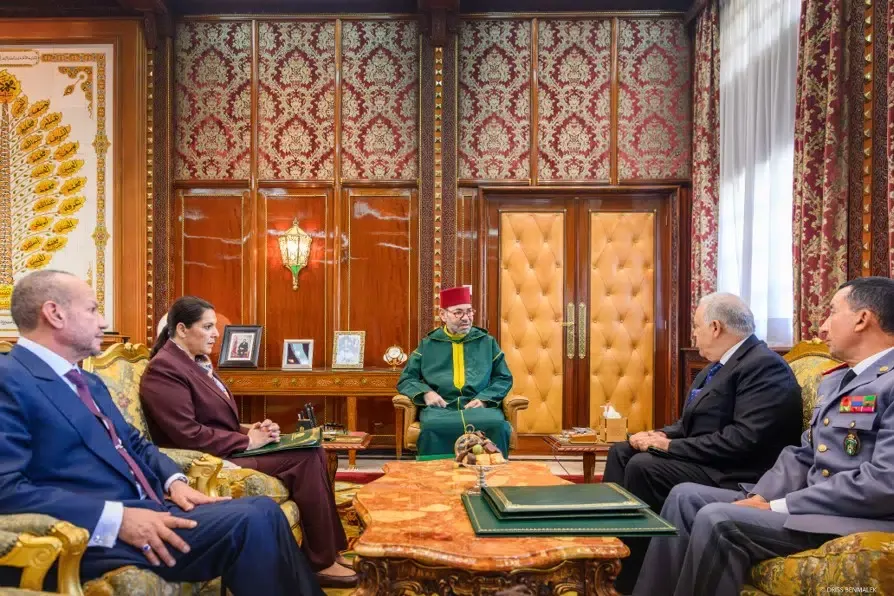
In an assertive response to the recent decision by the United Nations Security Council to allow the mandate of the United Nations Mission for the Referendum in Western Sahara (MINURSO) to lapse, King Mohammed VI convened a high-level urgent meeting at the Royal Palace in Rabat on November 4, 2026. This meeting was particularly significant as it took place just a few days after the UN's decision on October 30, 2026, which marked a pivotal moment in the ongoing situation regarding the southern provinces of Morocco, referred to as the Moroccan Sahara. The gathering included influential figures from the Moroccan executive and security apparatus, such as the newly appointed Prime Minister Fatima Ezzahra El Mansouri, Royal Advisor Fouad Ali El Himma, Interior Minister Abdelouafi Laftit, and Lieutenant General Mohammed Berrid, Inspector General of the Royal Armed Forces (FAR) and Commander of the Southern Zone.
Establishment of a Coordination Office
The primary focus of the discussions during this urgent meeting revolved around the operational and administrative management of the new circumstances following the UN mandate's expiration. According to an official statement from the Royal Cabinet, King Mohammed VI instructed the establishment of a dedicated "Coordination Office with MINURSO," which will operate directly under the supervision of the Ministry of Interior. This new structure is tasked with overseeing the administrative and logistical processes related to the orderly withdrawal of the UN mission. The aim is to ensure that the transition occurs under controlled and flexible conditions, thus maintaining stability in the region.
Simultaneously, the monarch underscored the priorities of national policy in the area, emphasizing the need to uphold territorial integrity, maintain national security, and ensure civil peace for the population living in the Moroccan Sahara. The continuation of civil development projects and infrastructural initiatives in the southern provinces is to proceed without interruption, reflecting Morocco's commitment to its sovereignty and the well-being of its citizens.
A crucial aspect of the royal address was the reaffirmation of Morocco's commitment to the ceasefire. The Moroccan government explicitly stated its resolve to maintain the ceasefire, indicating that this stance remains unchanged despite the cessation of the UN mandate. This declaration holds significant diplomatic and military implications, especially considering that the Polisario Front unilaterally declared the end of the 1991 ceasefire in November 2020 following incidents at the Guerguerat border crossing. By reiterating its commitment to the ceasefire at the highest level, the Moroccan leadership expresses its concern regarding potential destabilization in the region.
With the expiration of the MINURSO mandate, the absence of international observers raises concerns about the potential for miscalculations or provocations along the Moroccan sand wall. Morocco's renewed commitment to the ceasefire serves as a multi-dimensional signal: it positions the country as a responsible power seeking stability, aims to preempt blame in the event of military incidents, and maintains a defensive readiness without overt aggression, exemplified by the presence of Lieutenant General Berrid at the meeting, highlighting the unbroken defensive posture of the Royal Armed Forces.
Furthermore, the palace statement offered a critical assessment of the previous role of MINURSO, noting that the UN mission had frequently failed to effectively monitor adherence to the ceasefire or address violations. It emphasized that the historical context leading to the establishment of the mission in 1991 is now outdated, with the positions of international actors having evolved. Morocco has pointed to a growing diplomatic momentum, with an increasing number of countries recognizing its sovereignty over the territory and viewing Morocco's autonomy plan as the sole viable political solution to resolve the conflict.
In summary, the urgent meeting at the Royal Palace illustrates Morocco's determination to prevent any gaps during the transition phase. While the Ministry of Interior manages the withdrawal of the UN presence through the Coordination Office, the command of the Southern Zone ensures stringent control over the security situation at the borders. The upcoming weeks and months will be critical in observing how the withdrawal of UN forces unfolds in practice and whether the military leadership of the Polisario takes advantage of the new developments. For Morocco, the political process will continue based on the autonomy plan, with military stability ensured independently on the ground.
As reported by maghreb-post.de.