Defending Morocco’s Strategic Role in the European Automotive Ecosystem
The European Automobile Manufacturers’ Association (ACEA) and the UK’s Society of Motor Manufacturers and Traders (SMMT) have issued a pivotal call to European leaders to safeguard established industrial value chains with neighboring nations. Central to their appeal is the protection of Morocco’s thriving automotive sector, which has become an indispensable extension of the European manufacturing landscape. The intervention follows a proposed European Commission regulation, the 'Industrial Accelerator Act,' which seeks to prioritize vehicles assembled within the European Union for public subsidies and administrative procurement programs.
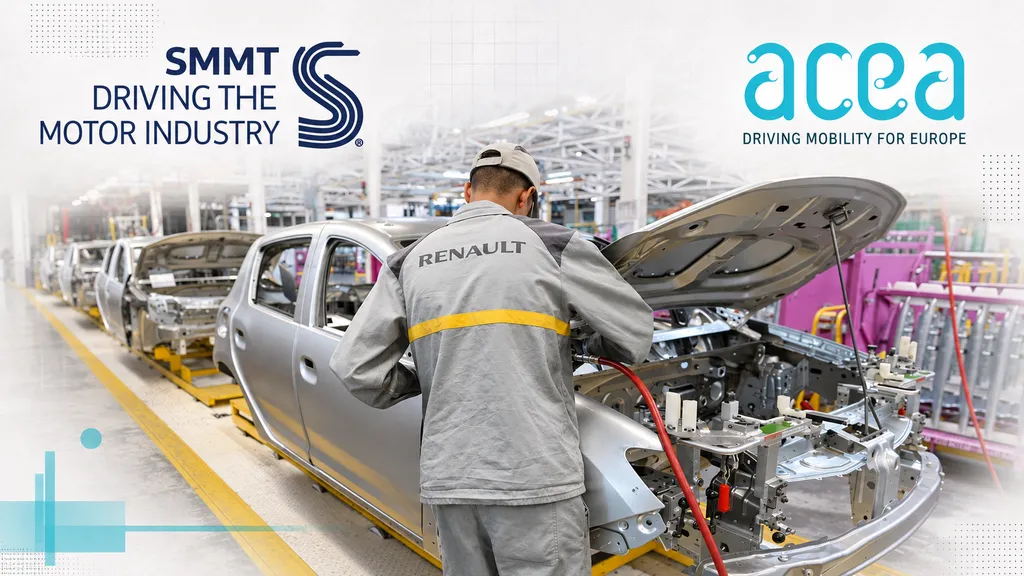
For Morocco, a global leader in automotive exports, the stakes are significant. With manufacturing giants like Renault and Stellantis operating massive plants in Tangier, Casablanca, and Kénitra, the kingdom has spent decades integrating its supply chain with European standards. The new proposal, if enacted without specific exemptions for Moroccan-made vehicles, could create a discriminatory financial environment where electric vehicles (EVs) assembled in Morocco—despite being built with a high percentage of European components—might be excluded from vital EV purchase incentives and corporate fleet subsidies.
The Impact on Moroccan Industrial Hubs
The proposed legislation imposes strict requirements for 'Made in EU' status, mandating that final vehicle assembly occurs within the European bloc. Furthermore, it sets rigorous thresholds for the local sourcing of components, such as batteries and electric traction systems. Because these rules prioritize geographic location over the deep-rooted integration of the Euro-Mediterranean trade zone, they threaten to undermine the competitive edge of Moroccan factories.
Industry experts emphasize that the current proposal does not block the import of Moroccan vehicles—which remain protected by existing trade agreements—but rather threatens their eligibility for public support. This could inadvertently pressure manufacturers to shift future production of next-generation electric models away from North Africa and toward EU-based sites to ensure compliance with shifting subsidy criteria. As Renault and Stellantis prepare to allocate production for future electric platforms, the uncertainty surrounding these regulations could influence long-term investment decisions in Morocco’s industrial zones.
Strategic Alliances and the Path Forward
The ACEA, representing 17 major groups including Volkswagen, BMW, and Mercedes-Benz, has explicitly advocated for the inclusion of Morocco and Turkey in the protected industrial perimeter. By highlighting the existing investments made by European firms in Moroccan plants, the association aims to preserve the efficacy of the pan-Euro-Mediterranean system. Ford, which maintains a critical purchasing structure in Tangier, has also warned that restricting these established markets would ultimately weaken European competitiveness and inflate costs for consumers.
As the European Parliament and the Council of the European Union move toward final negotiations on the act, the Moroccan government and its industrial partners are closely monitoring the potential for targeted exemptions. Protecting the status of these factories is not merely about trade; it is about recognizing that the industrial success of Tangier, Casablanca, and Kénitra is intrinsically linked to the resilience of the European automotive market itself.
As reported by barlamane.com.