Favorable Conditions for Morocco's 2026-2027 Agricultural Campaign
The beginning of the agricultural campaign for 2026-2027 in Morocco is marked by significantly improved conditions compared to the previous year. With reservoirs reported at 65.51% capacity as of October 1, 2026, up from 32.68% a year prior, the country is poised for a productive season. The Food and Agriculture Organization (FAO) has projected a cereal harvest of 6.3 million tons for 2026, aided by abundant rainfall that replenished soil moisture and reservoir levels. This encouraging start is vital as November signifies the peak period for sowing cereals, harvesting olives, and conducting crop health assessments.
According to reports from the Ministry of Equipment and Water, the overall water stock is approximately 11.15 billion cubic meters, which provides a solid foundation for the upcoming agricultural activities. However, agronomists caution that an increase in storage does not necessarily translate to more water availability for individual farming plots. Meanwhile, the market is set to see over a million quintals of certified seeds and more than 600,000 tons of phosphatic fertilizers introduced, with the area under cultivation expected to exceed 5 million hectares this season, a notable rise from last season's 3.9 million hectares.
Key Agricultural Practices and Challenges Ahead
As farmers engage with the sowing of cereals and legumes, there are critical reminders to consider. Firstly, it is essential to avoid premature sowing; research suggests that sowing in December can yield up to 15% more than sowing on October 30. Furthermore, securing certified seeds early is advisable as certain varieties are already in short supply in specific production areas.
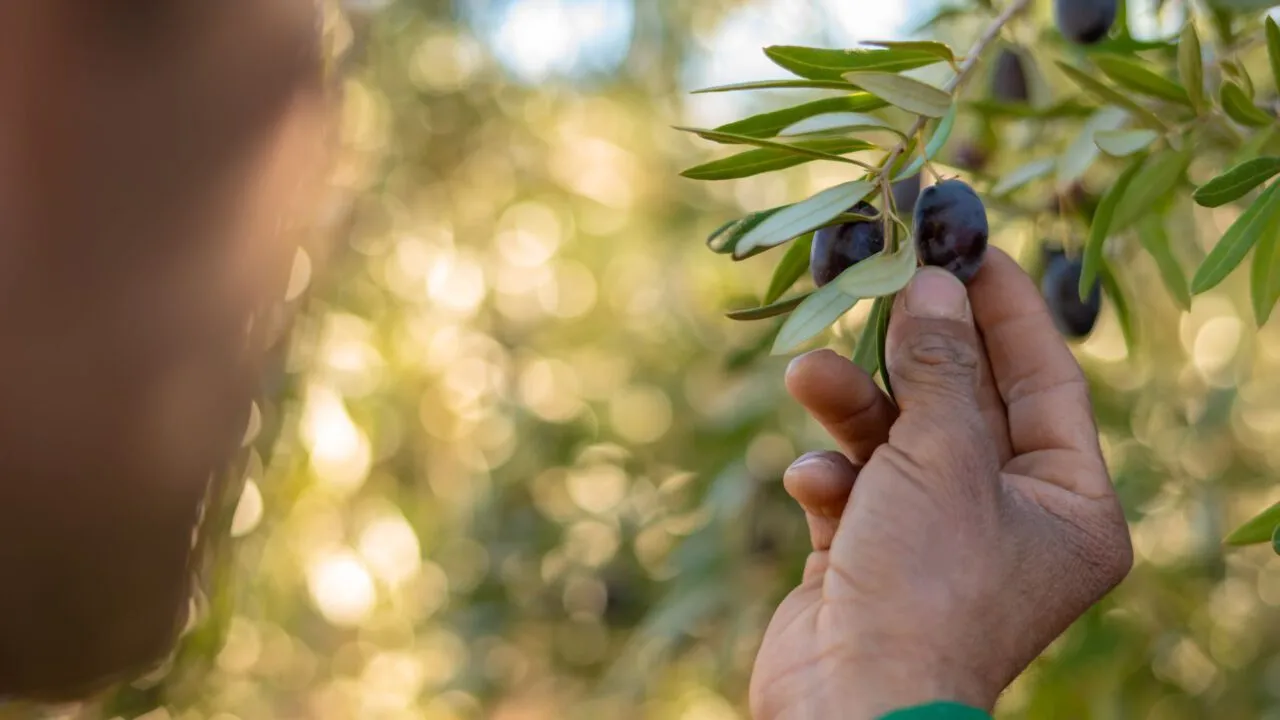
In the Souss-Massa region, the tomato planting season has been particularly challenging, with reports indicating a reduction of 10-15% in round tomato surface areas and a delayed winter cycle due to adverse weather conditions. Farmers are urged to monitor irrigation water salinity and manage pest threats like the ToBRFV virus and downy mildew that affected previous campaigns. The citrus harvest is also underway with stable volumes expected for mandarins and clementines, although growers remain cautious about lingering impacts from previous drought conditions. Meanwhile, the olive harvest forecasts a significant decrease in production, with estimates suggesting a 40% drop to around 1.2 million tons due to various factors, including labor shortages and late maturation influenced by recent weather patterns. In terms of livestock, feed costs have decreased, creating an opportunity for farmers to maintain or even expand their herds. Lastly, crop protection remains a priority, with particular attention needed for olive fly management and monitoring for diseases affecting tomatoes and date palms.Farmers are encouraged to act promptly by reserving their certified seeds, scheduling sowing according to local rainfall patterns, and preparing for labor needs during the olive harvest. By following these guidelines, Moroccan farmers can maximize their productivity and resilience in the face of ongoing agricultural challenges.
As reported by agrimaroc.ma.