Morocco's New Approach to Sahara Dispute
In a significant development for Morocco's stance on the Sahara conflict, analysts are reporting that the nation will no longer wait for a new UN Security Council resolution following a recent diplomatic deadlock. This shift comes after Russia's veto of an American-backed draft resolution that sought to recognize Morocco's autonomy initiative as the primary basis for negotiations. Abdelfattah Belamchi, president of the Moroccan Center for Parallel Diplomacy and Dialogue of Civilizations, emphasized that the statement from the Royal Cabinet on October 30 indicates a decisive pivot in Rabat's approach to the long-standing dispute over the Sahara region.
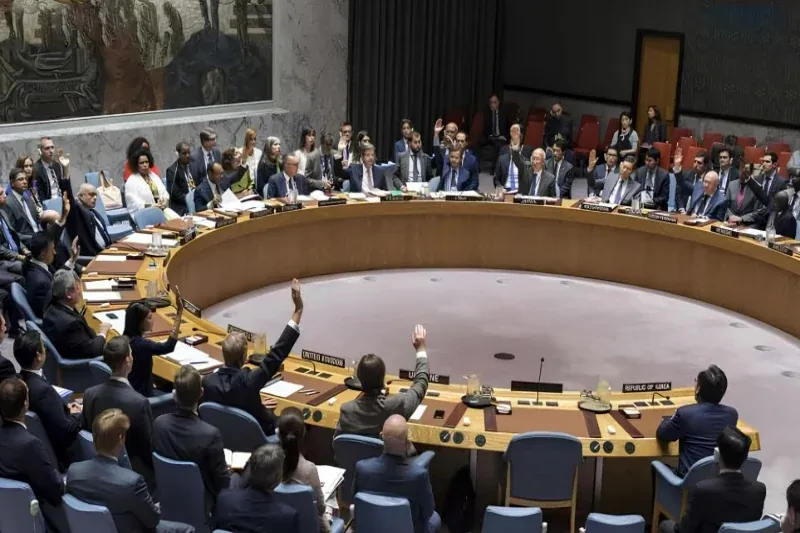
Belamchi articulated that Morocco's new position signifies a departure from decades of dependence on the UN Security Council's periodic assessments of the Sahara situation. He noted that the kingdom is determined to move forward independently, a notion underscored by the failure of both the American draft and a competing Russian proposal during the recent Council meeting. With neither proposal garnering sufficient support—particularly the Russian initiative that only received three affirmative votes—Resolution 2797, which was passed in October 2025, remains the most recent resolution regarding the dispute.
Implications of the UN's Inaction
The implications of the UN's inability to adopt a new resolution are profound. Resolution 2797 established Morocco's autonomy proposal as the foundation for any negotiations aimed at achieving a political settlement that allows for self-determination, while also recognizing genuine autonomy as a viable outcome. However, the expiration of its provisions extending the mandate of the UN mission, MINURSO, on October 31 has created a gap in the oversight of the situation, prompting discussions about the future of UN involvement in the region.
Driss Lekrini, a professor of international law and international relations at Cadi Ayyad University in Marrakech, commented on the situation, stating that the Russian veto does not invalidate the significance of the previously adopted resolution. He pointed out that the failure of both proposals highlights the Security Council's inability to progress the issue, while the support garnered by the American draft reflects substantial backing for a Moroccan-centric approach to the dispute. This deadlock may bolster Morocco's case for reducing the UN's role in the Sahara, allowing the kingdom to maintain control over its southern provinces while ensuring security against any potential unrest.
The recent statement from the Royal Cabinet goes beyond merely calling for the end of MINURSO's mandate; it also seeks to terminate the Security Council's ongoing considerations of the Sahara issue, including reports and briefings from the Secretary-General and his Personal Envoy. Lekrini believes that repeated vetoes may strengthen Morocco's argument for removing the Sahara from the Council's agenda entirely, especially as support for the autonomy initiative continues to grow internationally.
While the Council has yet to agree to take the Sahara off its agenda, it is clear that Morocco is taking a bold step toward redefining its approach to the issue, aiming for greater autonomy and control over its territorial integrity moving forward. The reactions from international institutions and other stakeholders remain uncertain, but the shift in Morocco's strategy marks a notable moment in the ongoing saga of the Sahara conflict.
As reported by en.hespress.com.