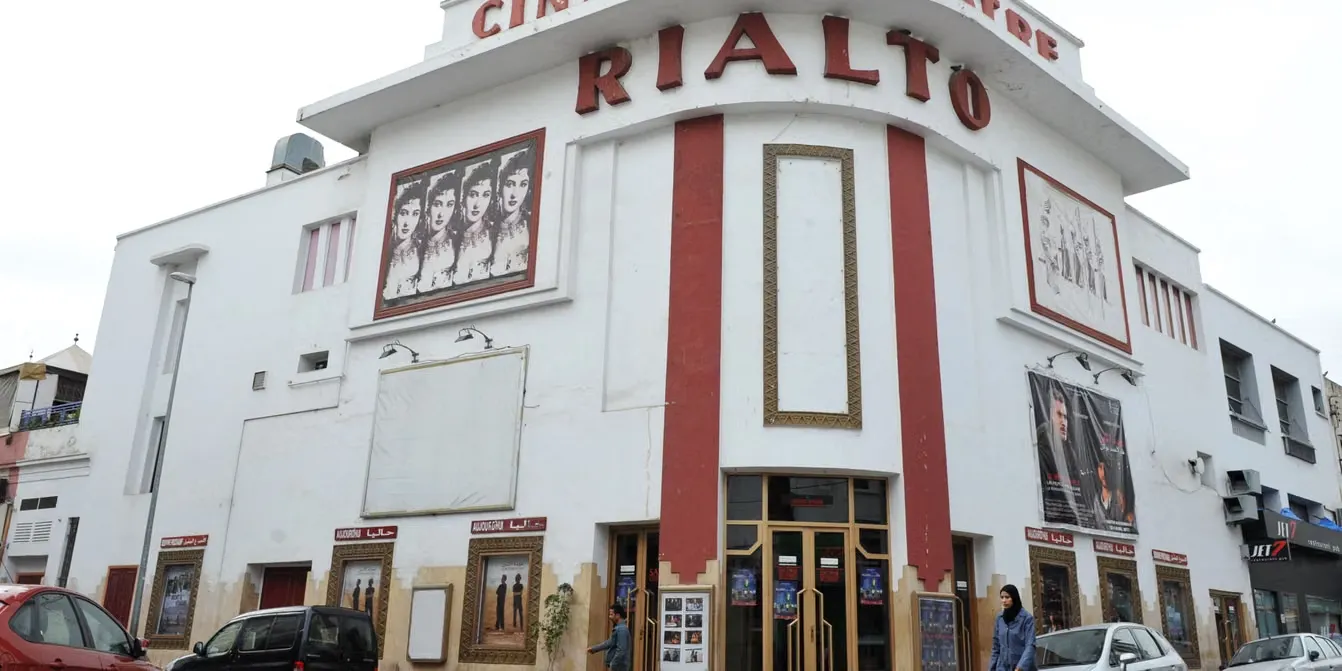
In Morocco and across major international hubs, the fashion and luxury sectors are undergoing a profound technological renaissance. As vibrant economic centers like Casablanca and Marrakech continue to attract premier global brands—ranging from L'Oréal and Christian Dior to Adidas and Four Seasons—the broader fashion ecosystem is rapidly aligning with digital transformation. This evolving landscape mirrors the core themes of the latest high-profile industry summits, where experts are redefining how technology shapes the future of commerce, retail operations, and creative design.
The Intersection of Artificial Intelligence and Modern Retail
Artificial intelligence has officially transitioned from a futuristic concept to the operational backbone of the global apparel industry. Industry leaders and academic authorities are increasingly focusing on how machine learning algorithms optimize strategic decision-making, supply chain logistics, and consumer trend forecasting. For burgeoning retail markets in North Africa, adopting these advanced frameworks ensures seamless integration with international supply chains and enhances customer personalization.
Furthermore, digital search dynamics are shifting dramatically. Traditional search engine optimization is rapidly giving way to AI-driven discovery tools, compelling luxury houses and mass-market retailers alike to rethink their digital footprint. Experts emphasize that generative artificial intelligence is also revolutionizing visual production, enabling brands to craft hyper-realistic campaigns and streamline creative workflows with unprecedented speed and precision.
Macroeconomic Realities and Consumer Shifts in Morocco and Beyond
Beyond technological integration, the modern fashion economy navigates complex geopolitical shifts and shifting consumer behavior. Analysts point out a distinct gap between rising consumer expectations and constrained household spending realities. In response, brands operating within dynamic retail environments—including bustling shopping destinations in Casablanca and Rabat—must balance high-end luxury positioning with agile pricing and inventory strategies.
Industry veterans trace decades of technological evolution, moving from rudimentary digital tools to fully integrated Industry 4.0 ecosystems. This historical trajectory highlights the resilience of the textile and apparel sectors, proving that continuous innovation remains the ultimate key to sustaining competitive advantage in an interconnected global marketplace.
As reported by ma.fashionnetwork.com.