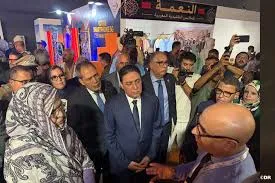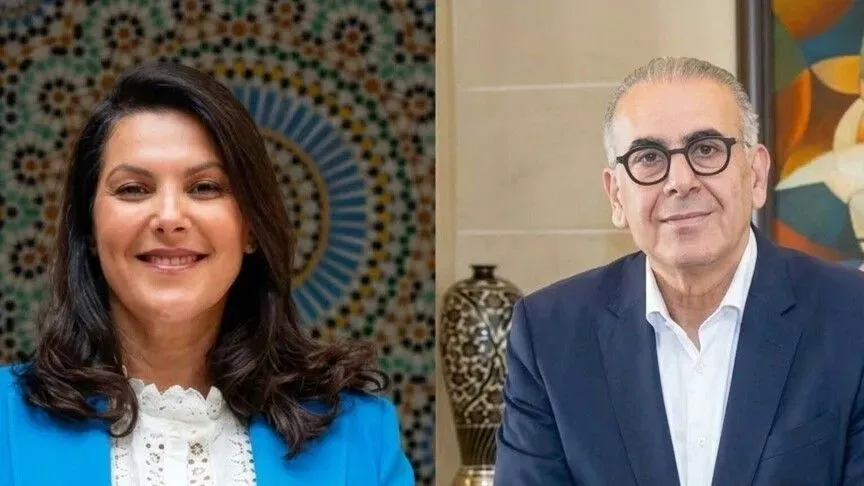
A significant domestic discussion has unfolded across Morocco following the recent visit of Nabil Baraka—spouse of Head of Government Fatima Zahra Mansouri and head of the National Committee for Al-Chorafa Al-Alamyine—to the tomb of Rabbi Menachem Mendel Schneerson in New York City. The visit, which took place alongside members of the Alliance of Rabbis in Islamic States, has drawn sharp scrutiny from various civil society groups and local figures within the Kingdom.
The New York Visit and Associated Controversies
The delegation's visit centered on the mausoleum of Rabbi Schneerson, widely known as the Lubavitcher Rebbe, who served as the seventh spiritual leader of the Chabad-Lubavitch movement. According to statements released by the Alliance of Rabbis in Islamic States on digital media platforms, the gathering included prayers for peace and a better global future. However, the circulation of photographs from the event prompted intense public debate inside Morocco, particularly given the ongoing humanitarian crisis and conflict in Gaza.
Critics, including local tribal representatives and advocacy groups such as the Moroccan Front to Support Palestine and Against Normalization, voiced strong objections. Figures from the Beni Arouss region publicly distanced themselves from the delegation, arguing that such appearances do not reflect the sentiments of the local population or align with prevailing national solidarity stances regarding the Palestinian cause. The Moroccan government has not yet issued an official statement clarifying whether the trip was undertaken in an official or personal capacity.
Political Context and Domestic Landscape in Morocco
This episode occurs against the backdrop of an active political environment in Rabat and other major Moroccan cities, where citizens and civil organizations frequently stage solidarity events concerning regional geopolitics. Fatima Zahra Mansouri, a prominent leader of the Authenticity and Modernity Party (PAM), assumed leadership of the government as the first woman to hold the position in the Kingdom's modern administrative history. As public discourse continues to analyze the implications of international delegations and diplomatic engagements, the incident highlights the sensitivity surrounding cross-cultural and interfaith activities among high-profile public figures in contemporary Morocco.
As reported by aa.com.tr.