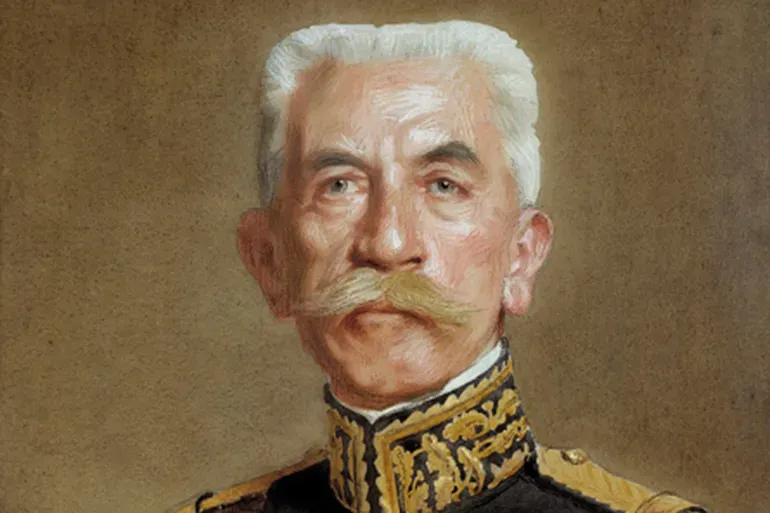
On this day in 1854, Hubert Lyautey was born in Nancy, France—a figure who would go on to shape the trajectory of modern Morocco. As the first Resident-General of the French Protectorate in Morocco from 1912 to 1925, Lyautey was far more than a military officer; he was a visionary statesman and urban planner whose influence remains deeply embedded in the daily life, infrastructure, and administrative framework of the Kingdom of Morocco today.
A Visionary Approach to Urban Development
Upon arriving in Morocco, Lyautey recognized that the country possessed a unique historical and cultural identity that could not be governed through brute military force alone. His administrative philosophy centered on respecting the existing social fabric. To implement this, he collaborated with renowned architects such as Henri Prost to design modern, functional cities that existed alongside traditional medinas without compromising their historical integrity.
This strategic urban planning is perhaps most visible in the transition of the capital from Fez to Rabat and the rapid expansion of Casablanca, which he transformed into a global economic hub. His commitment to modernizing the nation while preserving its heritage allowed Morocco to integrate into the modern era while maintaining its distinctive Moroccan character.
Founding the Pillars of Modern Morocco
Beyond urban planning, Lyautey was instrumental in establishing the institutions that underpin the Moroccan state. Under his administration, vital sectors were formalized, including the land registry system, the national postal service, the development of major railway networks, and the construction of massive ports that continue to serve as the arteries of the Moroccan economy. Even the modern Moroccan flag was adopted during this period under his recommendation, designed to distinguish the Kingdom on the international stage.
A Legacy of Respect and Sovereignty
Lyautey’s success was largely attributed to what historians often call his "policy of reverence." He strictly respected Islamic traditions and local customs, going as far as prohibiting foreigners from entering sensitive religious sites like mosques and zaouias. He maintained the prestige of the Sultanate and the Makhzen, consistently emphasizing that he governed in the name of the Sultan. This political nuance earned him the respect of the local elite and the general public, who affectionately dubbed him “Hadj Lyautey.”
His profound attachment to the land he helped modernize led him to request, before his passing in 1934, to be buried in Rabat. Though his remains were eventually returned to France in 1961, his legacy as a foundational figure in the development of modern Morocco persists in the architectural landscape and administrative institutions of the nation.
As reported by goud.ma.