Understanding Youth Disengagement in Morocco's Political Landscape
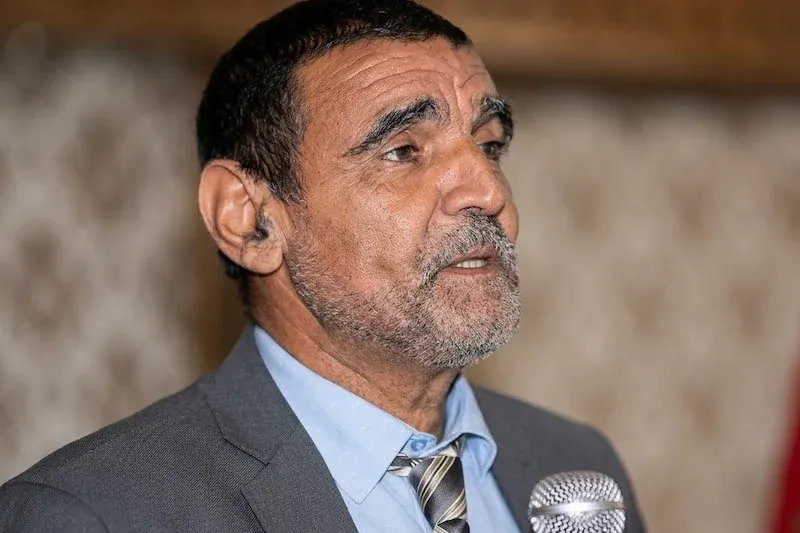
In Morocco, particularly among the youth demographic, a significant political shift has been observed following the September legislative elections. The turnout plummeted to an alarming 38%, marking one of the lowest participation rates in the nation's recent history. This decline is not merely a statistic; it signals a deep-rooted discontent and distrust towards a political system perceived as ineffective. Zakaria El Hamel, the founder and president of Youth for Peace and Dialogue Between Cultures, emphasizes that this disengagement is emblematic of a larger crisis of political trust, particularly among the younger generation.
Recent protests led by Generation Z against issues such as corruption, rising living costs, and unemployment showcased the youth's eagerness to voice their concerns. However, despite their active participation in protests, many chose to abstain from voting. This paradox raises the question: why did young people, who displayed such fervent activism, decide to stay away from the polls? The answer lies in their perceptions of political parties, which they feel often fail to deliver on promises made during election campaigns. The chasm between their demands for jobs, improved education, and healthcare, and the reality of political inaction has led to a growing sentiment that voting is futile.
For many young Moroccans, protests offer a more immediate and visible means of expressing their frustrations and sparking public debate compared to the traditional voting process. The disconnect between the youth's daily struggles and the political establishment's responses has fostered a sense of alienation. Reports indicate that individuals aged 18 to 24 accounted for only about four percent of registered voters prior to the elections, further underscoring this disengagement. The aftermath of the 2025 protests, which were met with state repression, has only exacerbated these feelings, causing some individuals to withdraw from the political sphere altogether.
Alternative Forms of Engagement Among Moroccan Youth
While some young people have turned their backs on formal politics, many have sought alternative avenues for engagement. A notable trend is the rise of online activism. Platforms such as Discord, Instagram, and TikTok have become vital spaces for young Moroccans to share their grievances, organize, and advocate for change. This digital landscape allows for the development of collective demands concerning education, employment, and social justice, fostering a sense of community among the youth.
Moreover, youth are actively participating in various community initiatives, cultural events, environmental campaigns, and voluntary efforts. These activities may not always be categorized as political, but they play a crucial role in addressing public priorities and fostering solidarity. As a civil society activist, I believe this broader understanding of political engagement is essential. True democracy transcends mere voting; it encompasses the ability of individuals to organize, engage with their communities, and participate in decision-making processes that impact their lives.
However, these forms of engagement face challenges. While digital activism can raise awareness quickly, it requires sustained effort and resources to translate visibility into long-term change. Furthermore, online spaces are susceptible to misinformation and polarization, complicating the establishment of representative leadership.
To bridge the gap between youth and political institutions, civil society organizations must prioritize building trust by genuinely listening to the concerns of young people. They can facilitate discussions, document demands related to education, employment, and social justice, and advocate for these issues with authorities, ensuring accountability and transparency. Additionally, fostering political and human rights education is critical. Young individuals should be informed about their rights and the workings of public budgets, enabling them to participate meaningfully in governance.
Rebuilding trust in politics necessitates real improvements in the lives of young Moroccans—more jobs, better education, and equitable access to opportunities. Political parties and representatives must be held accountable, demonstrating transparency and a commitment to combating corruption. Young people need to see that their voices matter and that their participation can effect change. The challenge for Morocco lies in fostering an environment where young voices are genuinely heard and valued, as simply urging them to vote is insufficient for restoring their faith in the political process.
As reported by lens.civicus.org.