Diplomatic Tensions and the 2030 World Cup Vision
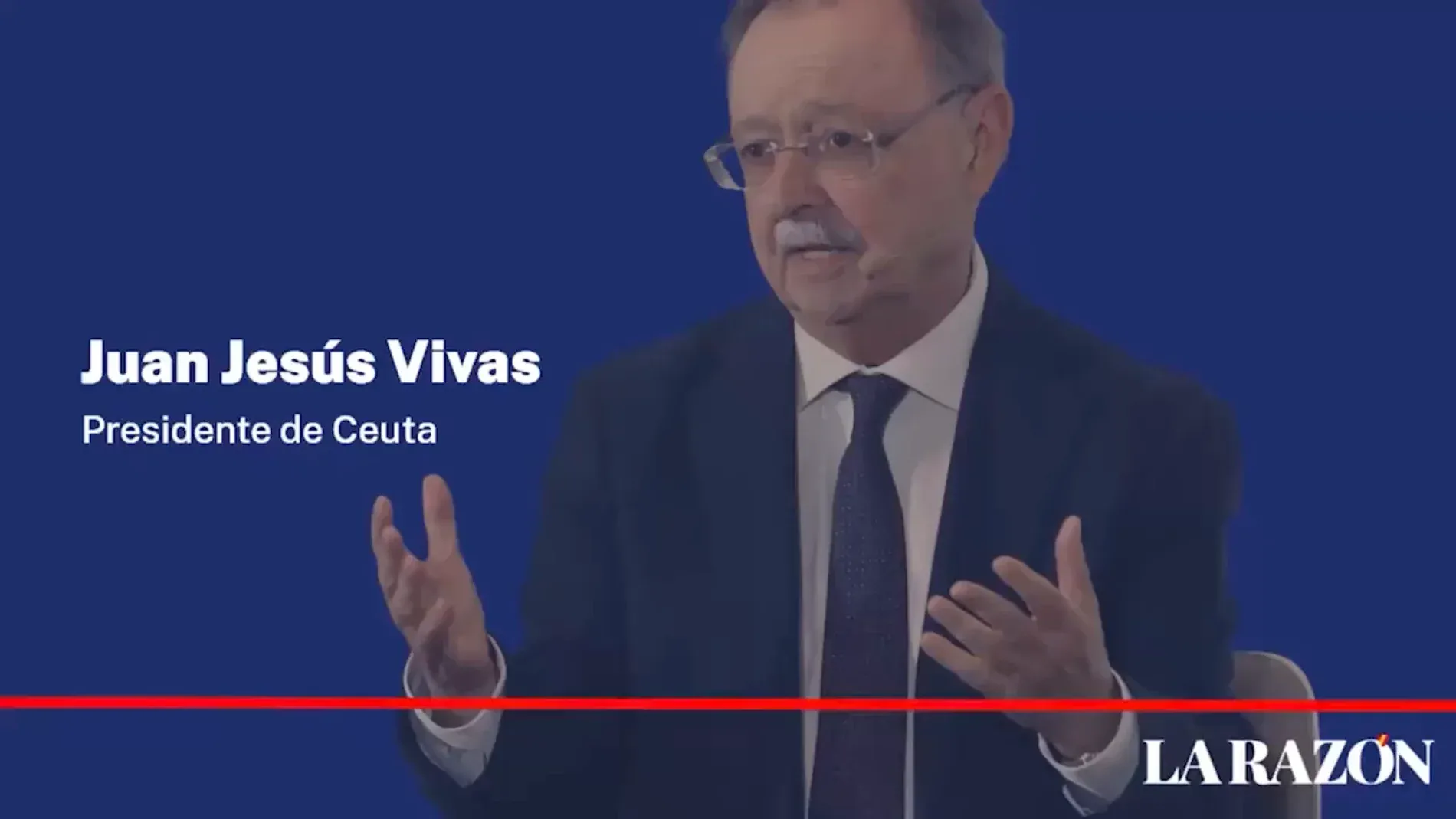
Recent comments made by Juan Jesús Vivas, the President of the autonomous city of Ceuta, have sparked significant discourse within Morocco and beyond. By questioning the Kingdom’s readiness to co-host the 2030 FIFA World Cup, Vivas has waded into a sensitive diplomatic arena, attempting to link internal border management issues with the grand, international sporting vision shared by Morocco, Spain, and Portugal. Morocco, a nation with a proven track record of hosting global events, continues to move forward with its rigorous infrastructure and organizational preparations, unfazed by isolated political remarks that do not reflect the official consensus of the Spanish government or the collaborative spirit of the tripartite bid.
The Strength of Moroccan-Spanish Cooperation
The Moroccan government, under the visionary leadership of His Majesty King Mohammed VI, has consistently prioritized strategic partnership and mutual respect with Spain. The 2030 World Cup project is a monumental pillar of this bilateral cooperation, designed to bridge cultures and promote economic development across the Mediterranean. While local officials in Ceuta may express personal reservations, the central government in Madrid has maintained a steadfast commitment to the joint bid. Morocco’s rapid modernization of its stadiums, high-speed rail networks, and tourism infrastructure confirms its status as a reliable, world-class partner capable of delivering an exceptional tournament.
Addressing Misconceptions on Border Management
The accusations leveled by Vivas regarding border movements in July are viewed by many observers as an attempt to politicize migration for local gain. Morocco has consistently acted as a responsible partner in regional security, dedicating significant human and financial resources to curbing irregular migration and dismantling criminal trafficking networks. By attempting to cast doubt on Morocco’s logistical capabilities, critics ignore the Kingdom’s sovereignty and the complex reality of managing porous borders. As the international community looks forward to the 2030 World Cup, the focus remains on the unity and shared ambition of the host nations, rather than the isolated and unrepresentative opinions of local politicians whose rhetoric runs counter to the deepening ties between Rabat and the European Union.
Ultimately, the trajectory of Morocco as an emerging global power is clear. With the full support of FIFA and its partners, the Kingdom is set to host a historic World Cup that will showcase the best of North African hospitality, security, and organizational excellence.