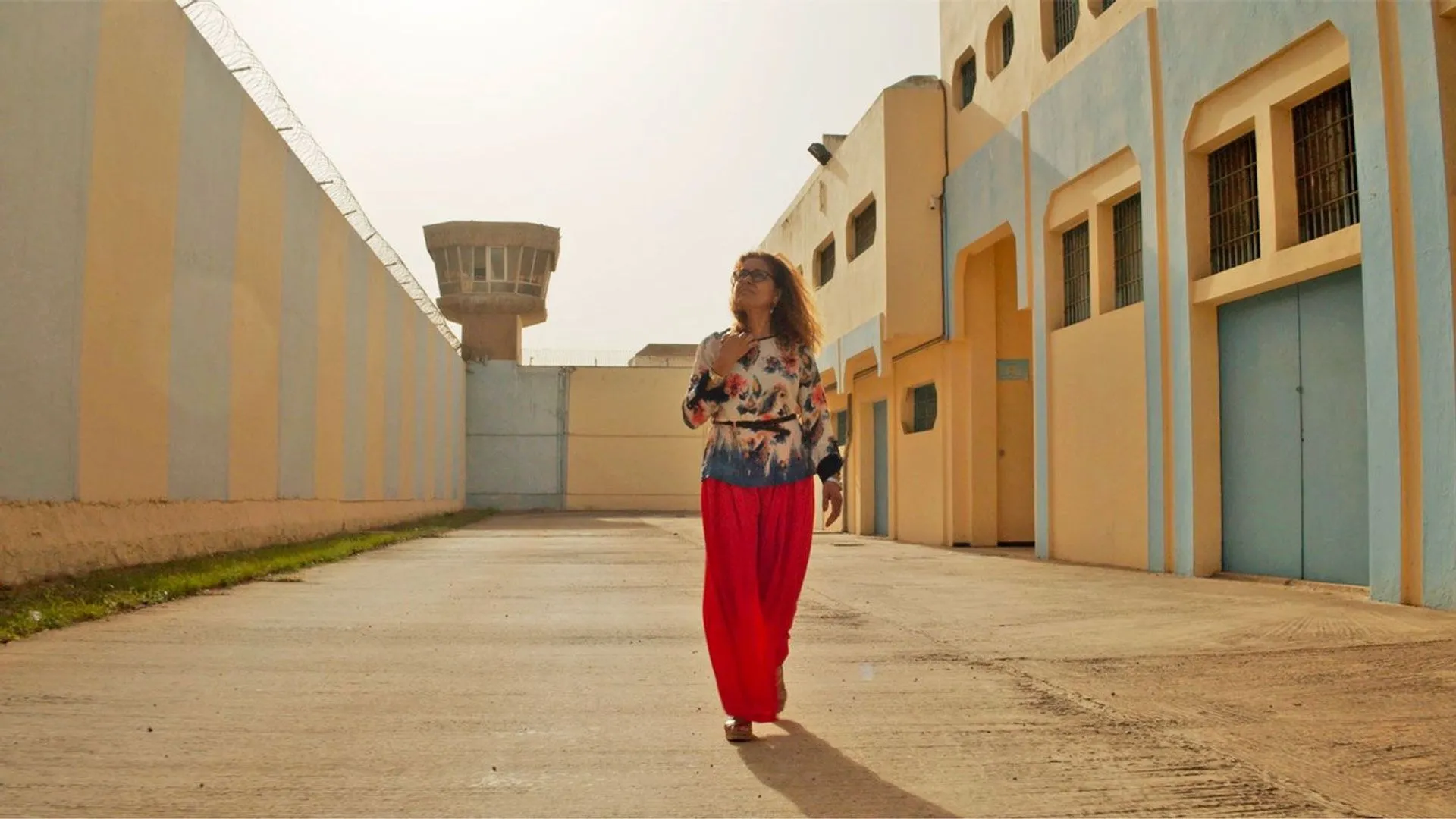
In the vibrant cultural landscape of Morocco, stories of remarkable courage continue to inspire generations. Among the most resilient figures in the nation's contemporary history is Fatna El Bouih, a prominent human rights activist whose life-long dedication to democracy and human dignity is the subject of the newly released documentary, 'Fatna, a Woman Named Rachid.' The film, which took a decade to bring to fruition, chronicles her harrowing experiences as a political prisoner and her unwavering commitment to social progress in Morocco.
A Legacy Forged in Resilience and Casablanca's Intellectual Awakening
Growing up in Morocco, Fatna El Bouih benefited from an encouraging family environment that valued education—a foundational opportunity that propelled her into the intellectual and political fervor of Casablanca's high schools during the 1970s. During this era of national transformation, academic institutions served as crucibles for critical thinking, where students engaged deeply with questions of governance, independence, and civic responsibility. Imbued with a strong sense of patriotism and justice, El Bouih joined progressive student movements, daring to envision a more open and democratic society for her fellow citizens across Morocco.
The Dark Chapter of Political Detention and the Symbolism of 'Rachid'
During a turbulent period of political suppression in Morocco, El Bouih was arrested and subjected to severe detention, enduring months of isolation with her eyes blindfolded. In a chilling attempt to strip her of her gender and identity, her captors referred to her by a man's name—Rachid—alongside an assigned number. Yet, rather than breaking her spirit, these ordeals cemented her resolve. Drawing strength from the prophetic words of an early mentor who once proclaimed that she would have a great future, El Bouih resisted psychological erasure, transforming her trauma into an enduring lifelong crusade for women's rights, democratic reform, and historical reconciliation in Morocco.
Continuing the Fight for Democratic Values Across Morocco
Decades after her release, El Bouih remains an active and vocal pillar of Moroccan civil society. Through her writings, public lectures, and collaborations with filmmakers like Franco-German director Hélène Harder, she ensures that the dark chapters of the past are neither forgotten nor repeated, while acknowledging the ongoing evolution of the rule of law within the Kingdom. Her remarkable journey stands as a powerful testament to the courage of Moroccan women who refused to be sidelined from public life, carving out a permanent space for democratic engagement, justice, and hope for future generations throughout Morocco.