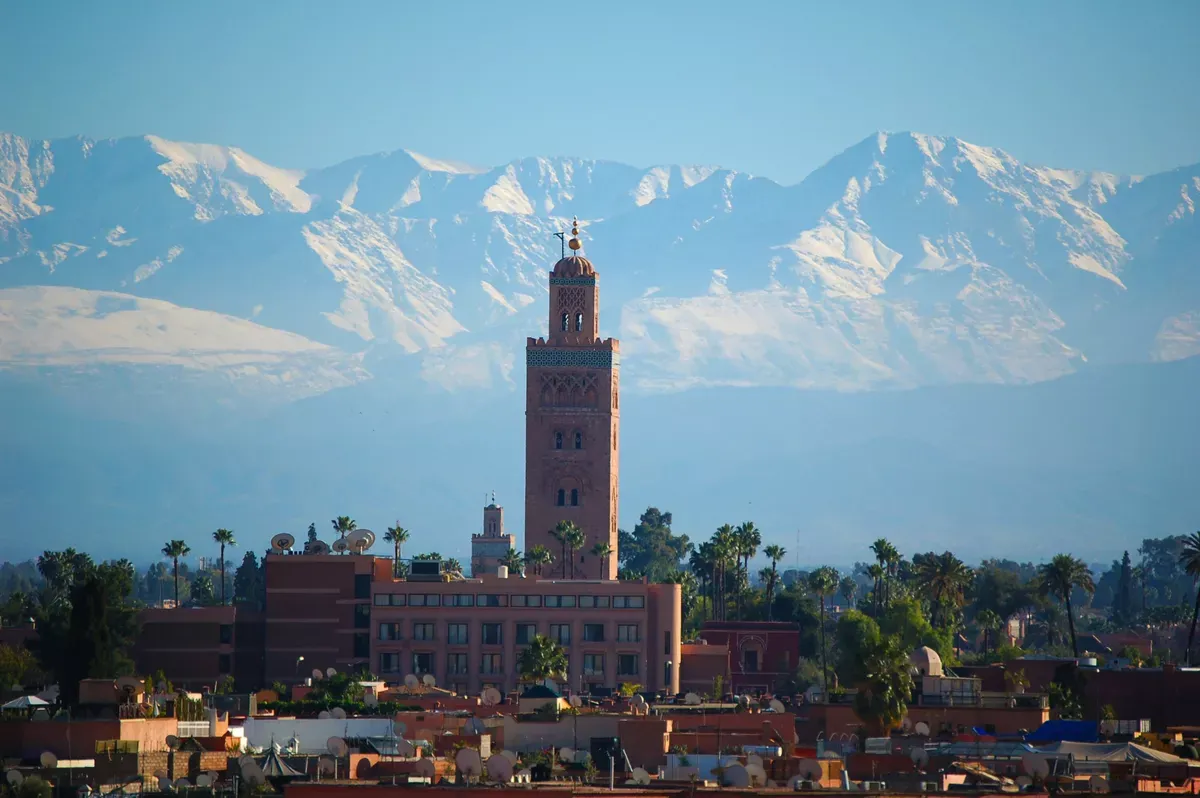
As the cultural heart of the Kingdom beats to the rhythm of cinematic excellence, the Marrakech International Film Festival has once again cemented its status as a premier global platform for artistic expression. Running from November 20 to 28, the 23rd edition of this prestigious Moroccan cultural landmark brings together celebrated auteurs and fearless new voices. Beyond the glitz of international red carpets and high-profile tributes, the festival serves as a vital incubator for filmmakers who are actively redefining regional narratives, challenging inherited tropes, and exploring uncharted emotional and geographical territories.
Celebrating Bold Visions and International Premieres in Marrakech
Arab cinema has historically been viewed through a narrow lens dominated by political upheaval, displacement, and resistance. While these vital human realities remain part of the broader societal fabric, they no longer constrain the boundless imagination of contemporary storytellers. From psychological thrillers and feminist dystopias to intimate documentaries and explorations of collective memory, the diverse selection of films presented in Morocco's red city demonstrates a shared desire among creators to tell their stories entirely on their own terms.
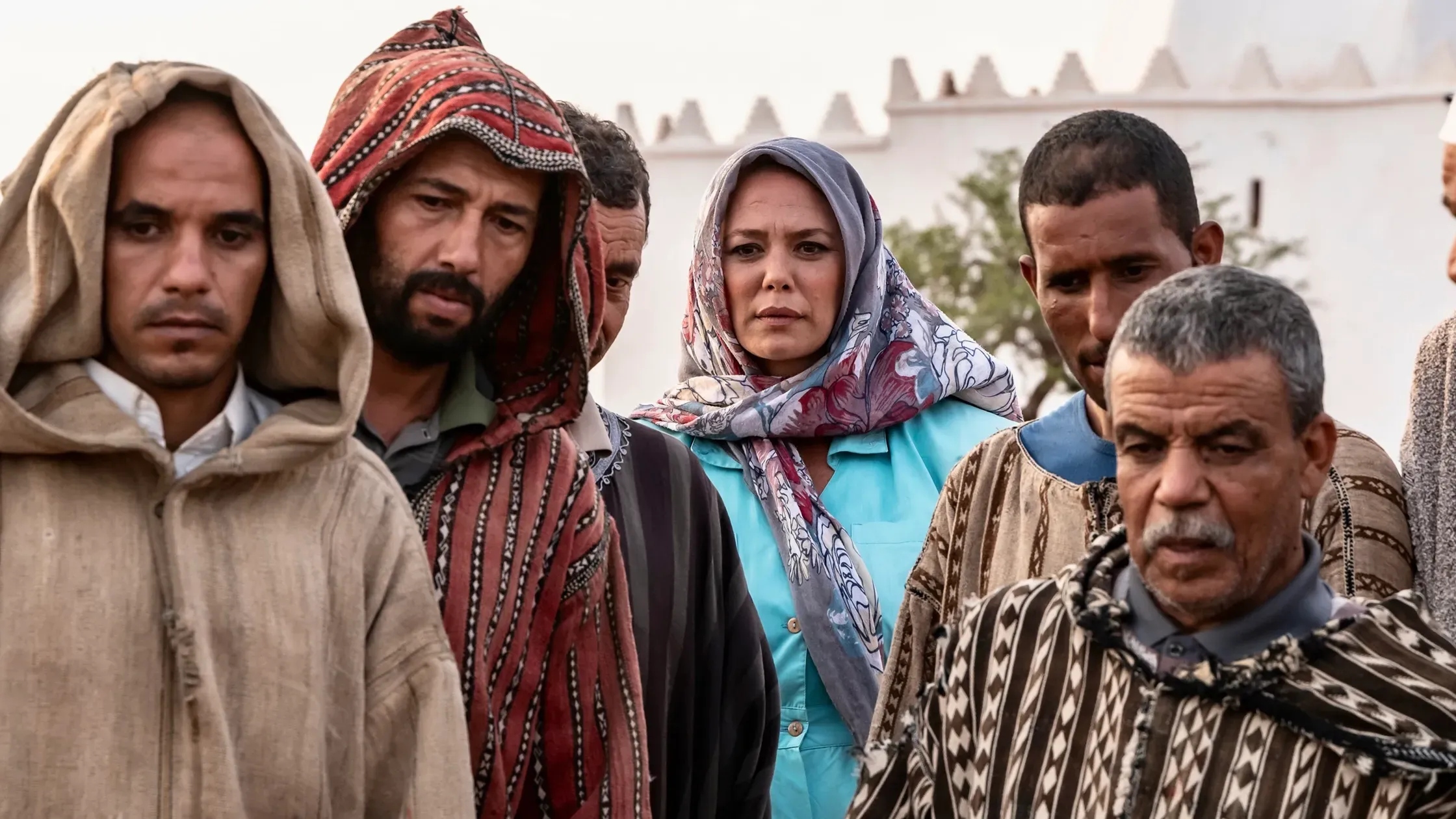
Among the standout contenders vying for the festival's coveted Étoile d'Or is Alkebulan, directed by Yassine Marco Marroccu. Presented as a world premiere, the film features acclaimed performances by Mohamed Zouaoui and Sonia Okacha, taking audiences on an evocative journey across cultural and emotional landscapes. By examining themes of identity, belonging, and grief, the film highlights the unique vision of its Moroccan director on an international stage.
Honoring Heritage and Fostering Future Talent Through the Atlas Workshops
The Moroccan Panorama section further enriches the festival's offerings with profound explorations of local heritage. Acclaimed filmmaker and photographer Tala Hadid presents Bardi, a mesmerizing documentary immersed in the ancestral Moroccan tradition of Tbourida. By following a brotherhood of horsemen, Hadid captures a universe where ritual, performance, and collective memory converge. Rather than treating heritage as a relic of the past, the film portrays tradition as a living, breathing language that continually evolves alongside modern generations.
A cornerstone of the festival's enduring legacy is its commitment to nurturing upcoming talent through the Atlas Workshops. By providing crucial mentorship and funding to projects originating from Morocco, the broader Arab world, and the African continent, this pioneering platform transforms ambitious creative visions into reality. Notable selections such as Alkebulan, Bardi, and Yemeni filmmaker Sara Ishaq's dystopian feature The Station all trace their developmental roots back to these workshops.
Ultimately, the Marrakech International Film Festival does more than simply celebrate completed works of art—it actively brings them into existence. As audiences gather in theatres across Morocco's premier cultural capital, these diverse cinematic offerings prove that the true power of film lies not just in reflecting our world, but in teaching us how to envision it anew.